

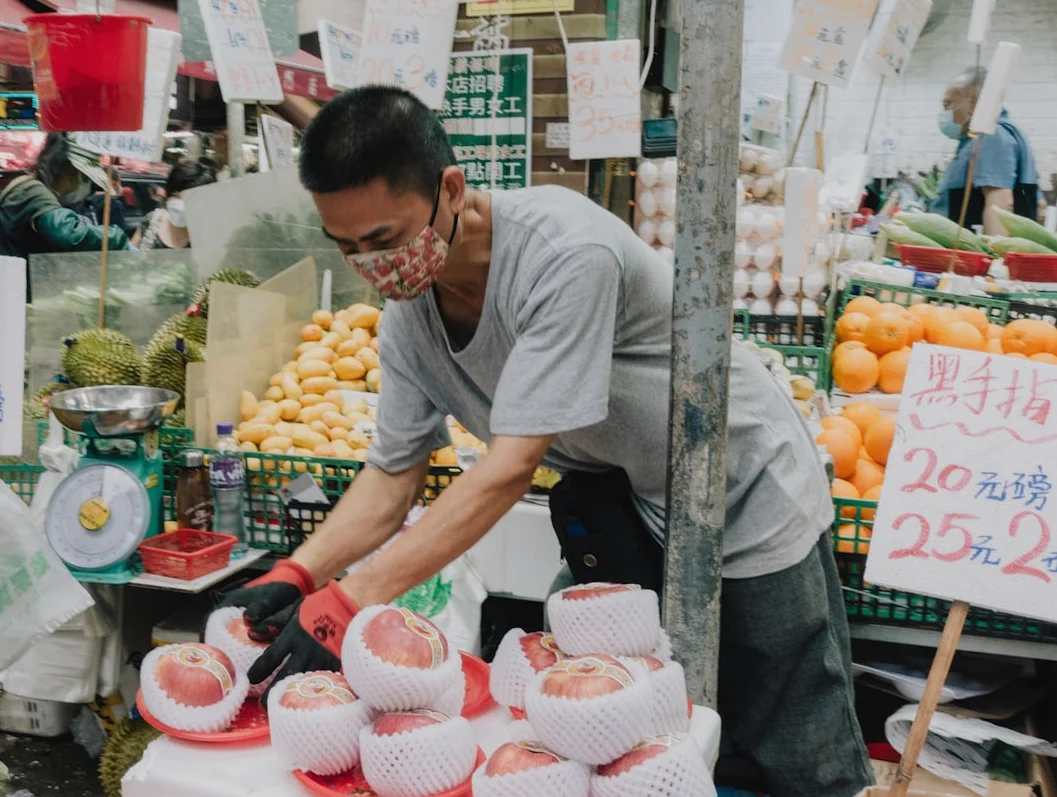
Fake strawberries falsely labeled as Japanese imports have sparked growing concerns in Hong Kong’s fresh food market, raising questions about food safety and regulatory oversight. In a recent incident, strawberries marked as coming from Kumamoto Prefecture in Japan were found at a neighborhood fruit stall. The fruit reportedly began to deteriorate quickly after purchase, leading to online criticism and prompting calls for stricter regulation of the food trade.
Impact on Consumer Confidence and Market Integrity
The discovery of counterfeit strawberries has not only raised immediate concerns about product quality but also sparked broader questions about the integrity of Hong Kong’s food supply chain. Legislative Councillor Steven Ho emphasized that the incident should not be treated as a routine consumer dispute, stating that the repeated appearance of counterfeit fruit highlights systemic weaknesses in the regulation and traceability of fresh produce.
According to Ho, the incident could undermine Hong Kong’s status as an international food trading hub. He noted that the market relies heavily on import controls, quality assurance systems, and brand credibility to maintain consumer trust. The misrepresentation of origin has also been observed in previous events, such as at a local agricultural produce fair where fruit was falsely labeled as locally grown.
Ho pointed out that the strawberries in question were not only incorrectly branded but also showed signs of mold shortly after purchase. He said such incidents could have a ripple effect on consumer confidence and create unfair competition for legitimate importers and retailers. The lack of effective communication between overseas producers and local retailers has left consumers vulnerable to misleading information.
Call for Strengthened Oversight and Traceability
In response to the incident, the Hong Kong office of the Kumamoto Prefectural Government issued guidance to help consumers identify authentic products. However, Ho argued that more coordinated enforcement is needed, involving multiple government departments such as the Food and Environmental Hygiene authorities.
He called for increased inspections and stricter penalties for those selling counterfeit products. Ho also highlighted the need for improved reporting channels to protect consumer rights. He noted that the current system lacks consistency in labeling practices and fails to provide consumers with the necessary information to verify product authenticity.
Ho emphasized that the case highlights the need for further development in the industry’s traceability systems. With the government planning to introduce a unified brand for local agricultural and fisheries products this year, he proposed the creation of a digital traceability platform that would allow consumers to scan codes to access information about product origin, inspection reports, and certification status.
For imported products, the platform could include approved supplier lists, explanations of certification marks, alerts regarding counterfeit goods, and procedures for submitting complaints. Ho said Hong Kong should aim to develop a traceability and certification framework for food products to support transparency and maintain consumer trust.
Future Implications and Industry Response
Ho said the incident also highlights the need for a more strong system to ensure that “Hong Kong food” remains associated with safety and reliability. He called for the government to take proactive steps to strengthen the traceability and certification framework, which would not only protect consumers but also enhance the reputation of Hong Kong’s food trade.
Industry experts have echoed Ho’s concerns, pointing out that the food trade is central to Hong Kong’s consumer economy. The repeated appearance of counterfeit products suggests that current enforcement measures are insufficient to prevent such incidents. Some have called for greater collaboration between local authorities and overseas producers to ensure that labeling practices are consistent and transparent.
The government has not yet responded to calls for immediate action, but officials have indicated that they are reviewing the situation. A spokesperson for the Food and Environmental Hygiene Department stated that they are working closely with local and international partners to enhance food safety standards and prevent the sale of counterfeit products.
With the issue of counterfeit strawberries gaining attention, consumers are increasingly demanding greater transparency in the food supply chain. The incident serves as a wake-up call for both regulators and industry players, highlighting the need for stronger oversight and more effective consumer protection measures.
As the debate continues, the focus remains on ensuring that Hong Kong’s food market remains a trusted and reliable hub for international trade. The recent case of fake strawberries has underscored the importance of traceability, regulation, and consumer awareness in maintaining the integrity of the food industry.






Comments
No comments yet
Be the first to share your thoughts