

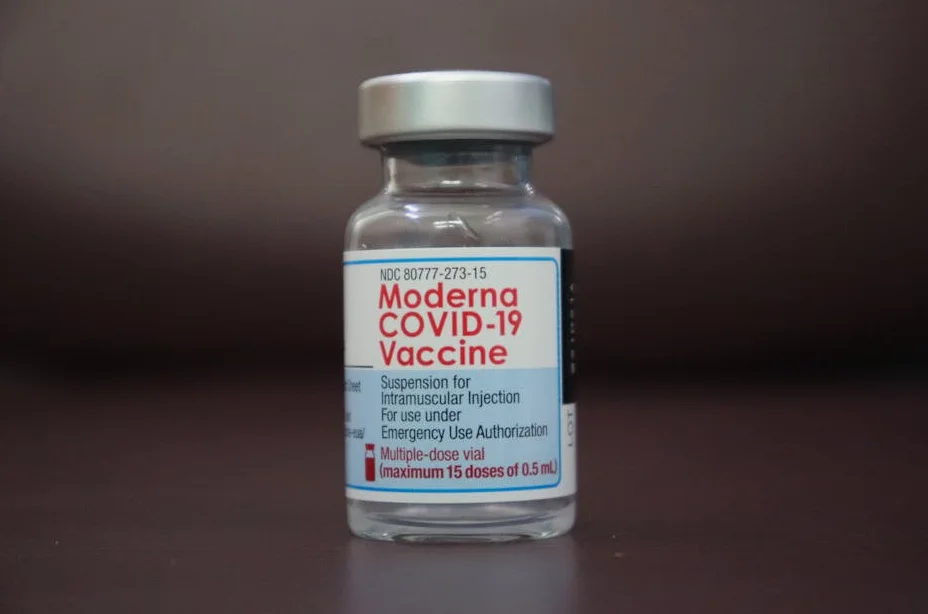
The U.S. Food and Drug Administration (FDA) has approved Bracco Imaging’s gadopiclenol-based contrast agent, Vueway, for intravenous use in magnetic resonance imaging (MRI) scans of neonates and infants. This approval, announced in a February 23 news release, expands the drug’s existing indication, which was originally approved in 2022 for adults and children aged 2 and older.
Lower Dose, Safer Imaging
Vueway is a macrocyclic gadolinium-based contrast agent that provides effective image enhancement at half the dose of other approved macrocyclic agents. This reduction in gadolinium exposure is critical for the youngest patients, who are particularly vulnerable to the long-term risks of cumulative exposure to the heavy metal.
According to the FDA, the approval is based on pediatric data from a non-randomized clinical trial. The trial demonstrated that Vueway could deliver high-quality diagnostic images at a lower dose, without compromising the clarity or diagnostic value of the scans.
“This approval provides a critical option for clinicians to perform high-quality MRI scans on the youngest and most vulnerable patients while minimizing their exposure to gadolinium,” said a statement from the FDA.
Pediatric Imaging Safety Gains Momentum
The move comes at a time when concerns over gadolinium retention in the brain have led to a reevaluation of contrast agents in pediatric populations. While the risk of long-term complications from gadolinium is still being studied, the use of lower-dose agents is increasingly seen as a way to balance diagnostic needs with patient safety.
Pediatric radiologists have welcomed the approval as a significant advancement. Dr. Sarah Thompson, a leading pediatric radiologist at Children’s Hospital of Philadelphia, noted that “this approval supports safer diagnostic imaging without compromising the quality of the images. It’s a win for both patients and clinicians.”
Vueway’s approval is not the first step in this direction. In 2021, the FDA approved another low-dose contrast agent for use in children, and in 2022, the agency issued updated guidelines on the use of gadolinium-based contrast agents in pediatric patients.
The new indication for Vueway is expected to be implemented in clinical settings in the coming weeks. Manufacturers are already preparing for increased demand, with Bracco Imaging stating that it plans to scale up production to meet the needs of hospitals and imaging centers across the U.S.
What’s Next for Pediatric Imaging
The approval of Vueway for neonates and infants represents a shift in how pediatric imaging is approached. It aligns with broader efforts to reduce the use of ionizing radiation and minimize exposure to potentially harmful substances in young patients.
Experts say that this approval could lead to further research and development of low-dose imaging agents. The American College of Radiology has called for continued investment in safer imaging technologies, particularly for the pediatric population.
“We are seeing a growing emphasis on patient safety in medical imaging, especially for children,” said Dr. Michael Chen, a professor of radiology at Harvard Medical School. “This approval is a clear indication that the medical community is taking this issue seriously and is looking for solutions that benefit both the patient and the diagnostic process.”
The FDA has set a deadline for the completion of a post-marketing study to further evaluate the long-term safety of Vueway in neonates and infants. The study is expected to be completed by the end of 2025, with interim results to be released in 2024.
With this approval, hospitals and imaging centers will now have an additional tool to ensure that neonates and infants receive accurate and safe diagnostic imaging. The impact of this decision is expected to be felt across the healthcare system, particularly in neonatal intensive care units and pediatric imaging departments.





Comments
No comments yet
Be the first to share your thoughts