

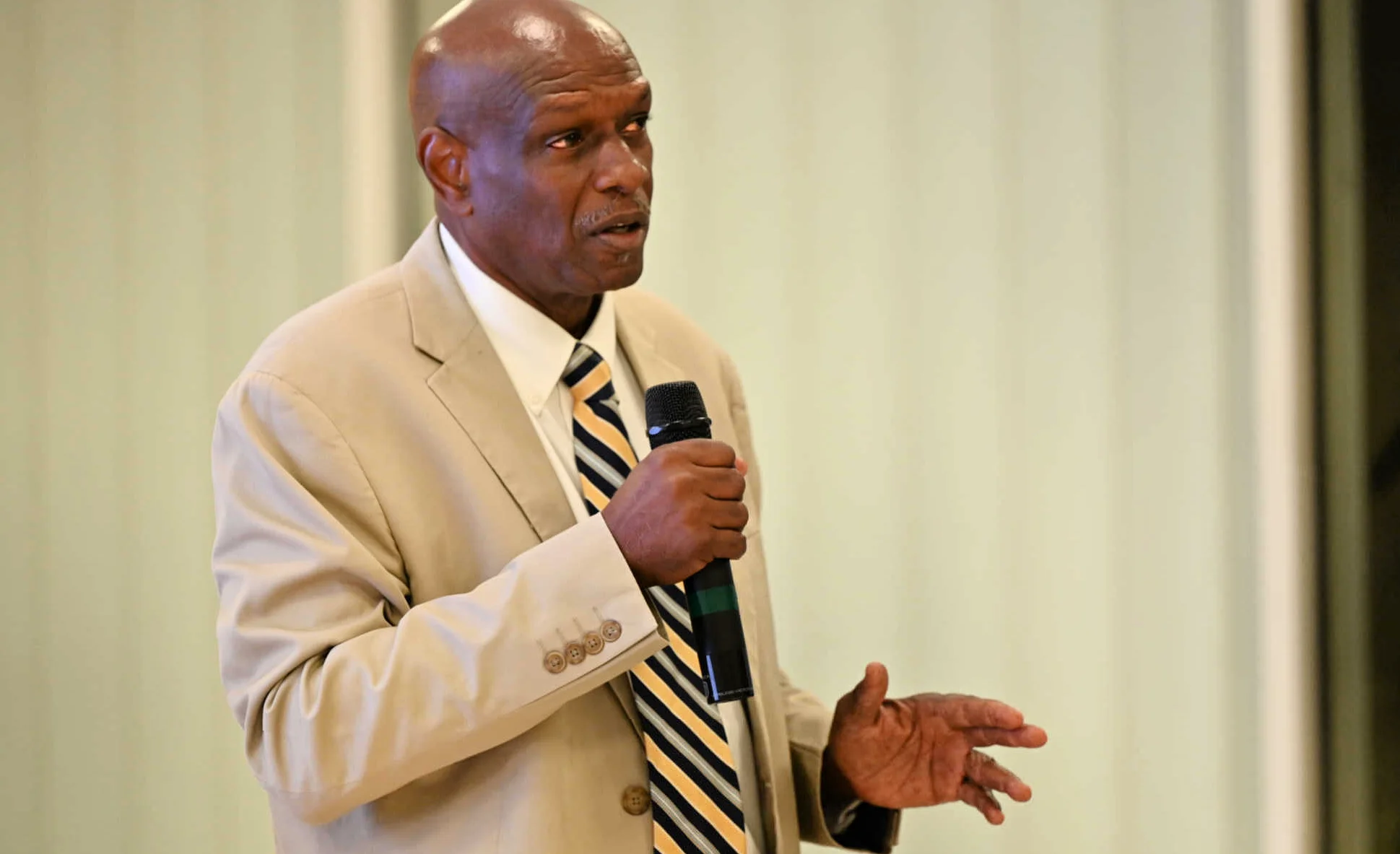
A federal indictment has accused Carlton Dowe, a former finance executive, of using false lease agreements in mortgage refinance filings, according to court documents released this week. The allegations. Which span several years. Include submitting fraudulent paperwork to secure mortgage refinances and misleading investors about the financial health of properties.
Allegations and Legal Context
Dowe, who once held a senior position at a major Caribbean financial institution, is accused of orchestrating a scheme that involved fabricating lease agreements to inflate the value of properties. These documents were then used to secure mortgage refinances, allowing him to access funds under false pretenses; the indictment, unsealed in a federal court, outlines 12 counts of fraud, including wire fraud, money laundering, and false statements to financial institutions.
According to the indictment. Dowe submitted lease agreements that were either entirely fabricated or significantly altered to show higher rental incomes than were actually generated; these false documents were used to secure refinances that would not have been approved under accurate financial data. The U.S. Department of Justice said the scheme began in 2018 and continued through 2023, involving multiple properties in the Caribbean and the United States.
Authorities said the scheme was discovered through a combination of internal audits and whistleblower reports, while the indictment notes that Dowe used a network of shell companies and third-party agents to obscure the flow of funds. These entities were used to funnel money into offshore accounts and to conceal the true nature of the transactions.
Impact on Financial Institutions and Investors
The alleged fraud is said to have caused significant losses to financial institutions that approved the mortgage refinances based on Dowe’s fabricated documents. One unnamed bank reportedly lost over $1.2 million in the process, while several investors who relied on Dowe’s financial reports suffered losses in the tens of thousands of dollars.
According to a report from a financial watchdog agency, the scheme may have affected multiple banks across the Caribbean and the U.S; the report states that at least three financial institutions have launched internal investigations into their lending practices related to Dowe’s clients. These institutions are now reviewing their compliance protocols to prevent similar frauds in the future.
One of the affected banks, which has not been named, said in a statement that it had taken steps to recover the lost funds and to strengthen its internal controls. “We take these matters very seriously and are cooperating fully with the authorities,” the bank said in a press release — the statement did not specify whether the bank had already recovered any of the lost funds.
Legal Proceedings and What’s Next
Dowe is expected to appear in court next month to face the charges. His attorney has not yet responded to requests for comment, but a statement from the defense said that Dowe would be “fully cooperating with the legal process.” The case is being handled by the U.S. Attorney’s Office for the District of Puerto Rico, which has jurisdiction over several Caribbean financial crimes.
If convicted, Dowe could face a maximum sentence of 20 years in prison, along with substantial fines. The indictment also includes charges of conspiracy to commit fraud, which could lead to additional penalties. The case is expected to be tried in the coming months, with a trial date set for early next year.
The Department of Justice has said it is working with international partners to trace any funds that may have been moved abroad. The indictment includes details about offshore accounts in the British Virgin Islands and the Cayman Islands, which are known for their financial secrecy. The U.S. is currently pushing for stronger international cooperation on financial transparency, particularly in regions with lax regulatory oversight.
Legal experts say the case could set a precedent for how such financial crimes are prosecuted in the Caribbean region. “This is a significant case that highlights the need for greater oversight of financial transactions involving offshore entities,” said a legal analyst who requested anonymity. “It also shows the importance of whistleblower protections in uncovering such frauds.”
Broader Implications for the Financial Sector
The case has raised concerns among financial regulators and industry leaders about the risks of relying on unverified documentation from high-profile individuals. The Financial Services Regulatory Authority (FSRA) in the Caribbean has called for a review of its lending standards and has announced a series of audits of financial institutions that have processed large mortgage refinances in recent years.
According to a spokesperson for the FSRA, the agency is also considering new rules that would require more rigorous verification of lease agreements and other financial documents submitted by clients. “We are committed to ensuring that our financial system is secure and transparent,” the spokesperson said. “This case has shown that even the most reputable institutions can be vulnerable to fraud if proper safeguards are not in place.”
Industry leaders have also called for greater collaboration between Caribbean and U.S. financial regulators to combat cross-border financial crimes. A recent meeting between officials from the U.S. Treasury and the Caribbean Financial Action Task Force (CFATF) discussed ways to improve information sharing and regulatory alignment.
Public Reaction and Community Impact
The case has sparked public concern in the Caribbean, where many residents rely on financial institutions for mortgages and other services. Some community leaders have called for greater transparency from banks and financial regulators, saying that the public has a right to know about such cases.
“This is not just a legal matter—it’s a matter of trust,” said a local community organizer. “When people see that their financial institutions are being used to commit fraud, it undermines confidence in the entire system.”
Local investors and homeowners have also expressed frustration over the potential impact on the housing market. Some say the case could lead to tighter lending standards, which could make it harder for ordinary people to secure mortgages or refinance their homes.
Conclusion and Forward-Looking Outlook
The indictment against Carlton Dowe marks a significant moment in the fight against financial fraud in the Caribbean and beyond. It highlights the vulnerabilities in the current financial system and the need for stronger oversight and collaboration between regulators.
As the case moves forward, the legal community and financial regulators will be watching closely. The outcome could have far-reaching implications for how such crimes are prosecuted and how financial institutions operate in the region.



Comments
No comments yet
Be the first to share your thoughts