

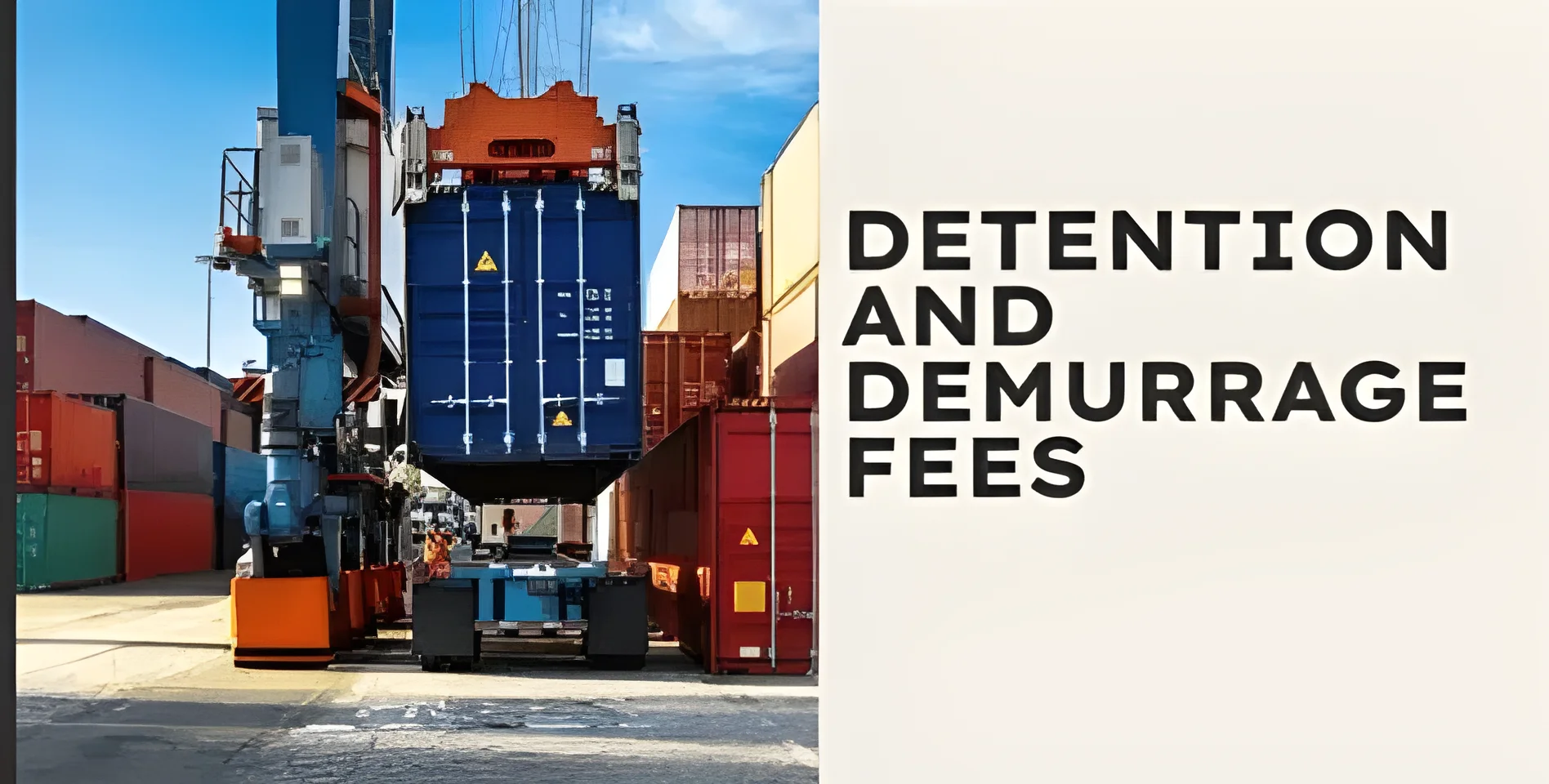
Federal Minister for Maritime Affairs Junaid Anwar Chaudhry has announced a waiver of demurrage charges on auctioned containers at the Karachi Port Trust (KPT), aiming to reduce congestion at the country’s busiest port. The decision was made in collaboration with private terminal operators at KPT.
Waiver to Ease Port Congestion
Under the new measure, KPT will not collect demurrage charges on auctionable and auctioned containers, provided they are cleared within seven days of notification. The move is intended to expedite customs clearance and reduce delays caused by containers that remain stuck in the port.
According to the minister, the initiative is a significant step to ease port congestion, speeding up customs clearance and reducing delays caused by stuck containers. It will also benefit the trading community by freeing space for incoming transshipment cargo, improving the overall efficiency of port operations.
Junaid Anwar Chaudhry emphasized that the demurrage waiver reflects KPT’s proactive strategy to address congestion issues and demonstrates the government’s commitment to making port activities more effective, which in turn supports Pakistan’s economic growth.
The minister said the initiative will enhance operational efficiency at KPT while providing direct relief to importers and exporters, ensuring smoother cargo movement in and out of Karachi. The decision is part of a broader effort to modernize port operations and align them with global standards.
Impact on Trade and Port Efficiency
The waiver is expected to have a tangible effect on trade, particularly in a country where the port handles a significant portion of the nation’s maritime imports and exports. Containers that remain in the port for extended periods take up valuable space, which could otherwise be used for new cargo. By clearing these containers more quickly, the port can accommodate more shipments, reducing backlogs and improving turnaround times.
According to the Pakistan Ports and Shipping Authority, the KPT has been grappling with congestion for several months, with delays averaging 10 to 15 days for some containers. The waiver is expected to cut this delay significantly, according to industry analysts.
Private terminal operators have welcomed the decision, noting that it will help them manage their operations more effectively. One operator stated, ‘This waiver will allow us to free up space and reduce the pressure on our facilities, which has been mounting over the past few months.’ The operator added that the move could also reduce costs for importers, who often bear the brunt of demurrage fees.
The minister also highlighted that the initiative aligns with the government’s broader vision of improving Pakistan’s logistics infrastructure. ‘We are working closely with all stakeholders to ensure that our ports remain competitive and efficient, which is crucial for our economic development,’ he said.
Looking Ahead: What’s Next
The waiver is expected to remain in effect until the end of the current fiscal year, unless extended by the government. Officials are currently reviewing the impact of the policy and may consider expanding it to other ports in the future.
Industry experts suggest that the success of this initiative will depend on the coordination between the government, port authorities, and private operators. ‘If implemented effectively, this policy can serve as a model for other ports in the region,’ said a maritime analyst.
Meanwhile, the international oil market has seen a sharp rise in prices, adding pressure on the government to ensure that the ports remain efficient and cost-effective. As of March 9, 2026, Brent crude oil prices have surged to approximately $103 per barrel, marking a dramatic increase of over 10% in a single day. Similarly, West Texas Intermediate (WTI) crude is trading around $100 per barrel, reflecting the same upward pressure.
This sharp rise comes amid growing fears of an Iran war, with conflicts in the Middle East threatening key oil supply routes and global energy stability. The volatility in the oil market highlights the need for efficient port operations to ensure that imports and exports continue without disruption.
With the demurrage waiver in place, the KPT is expected to see a noticeable improvement in its operations over the coming months. The government is also exploring other measures to improve port efficiency, including the introduction of digital systems for customs clearance and the expansion of terminal facilities.





Comments
No comments yet
Be the first to share your thoughts