

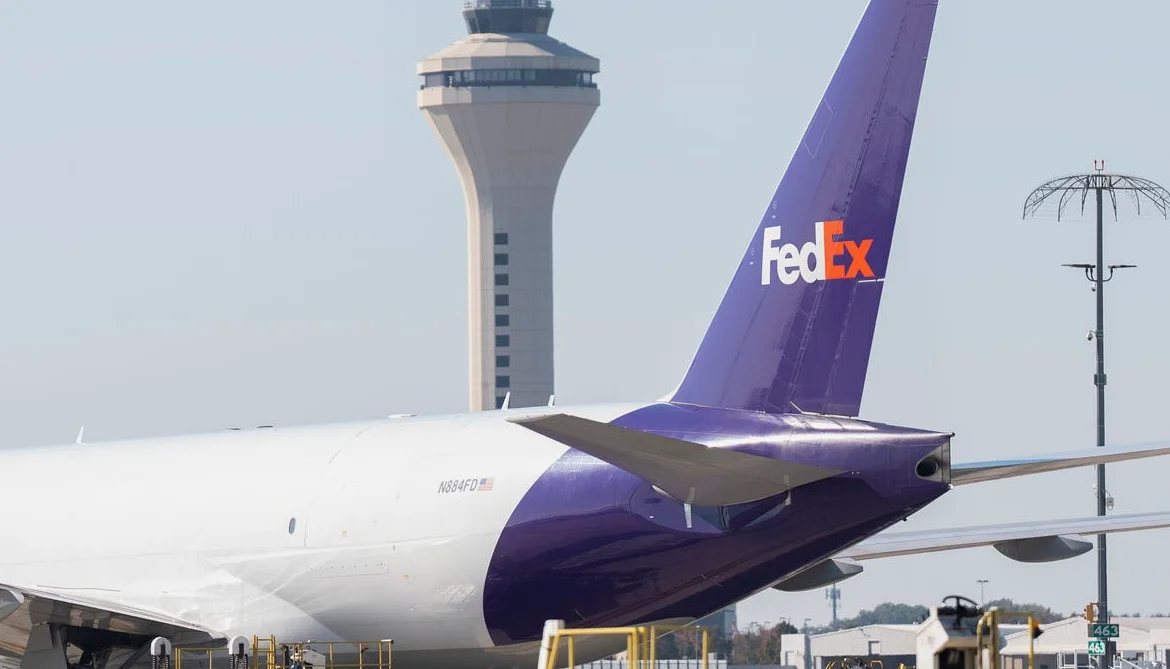
FedEx has filed a lawsuit in the U.S. Court of International Trade, seeking a refund for tariffs imposed by former President Donald Trump under the International Emergency Economic Powers Act (IEEPA). The lawsuit comes after the U.S. Supreme Court ruled on February 20 that Trump exceeded his authority by using the IEEPA to impose tariffs on imported goods.
Supreme Court Ruling Invalidates Tariffs
The Supreme Court’s 6-3 decision marked a significant legal setback for the Trump administration and could open the door for a wave of refund claims. According to the Penn-Wharton Budget Model, more than $175 billion in U.S. tariff collections are now subject to potential refunds. This ruling has set off a legal frenzy, with trade attorneys predicting a flood of lawsuits seeking to recover billions in overpaid tariffs.
The IEEPA was originally designed to respond to national emergencies, not to impose trade restrictions. The Supreme Court found that Trump’s use of the act to impose tariffs on Chinese imports in 2018 and 2019 was beyond the law’s intended scope. The decision has left many businesses and consumers questioning whether they were overcharged for goods.
FedEx Seeks Refund for IEEPA Tariffs
FedEx, based in Memphis, Tennessee, is one of the most high-profile companies to file a claim. In its lawsuit, FedEx stated that it seeks a full refund for all IEEPA duties it paid to the U.S. government. The company, along with its logistics arm, served as the importer of record for goods subject to the tariffs. However, FedEx has not disclosed the exact dollar amount it is seeking in the refund.
The lawsuit names U.S. Customs and Border Protection (CBP), its commissioner Rodney Scott, and the United States of America as defendants. CBP and the White House have not yet responded to requests for comment on the legal action.
Crowell & Moring, a Washington, D.C.-based law firm, is representing FedEx in the case. The firm also represents other companies, including Costco, Revlon, and EssilorLuxottica, in their IEEPA tariff refund claims. The legal strategy hinges on the ability of companies to demonstrate that they paid tariffs based on the IEEPA, which the Supreme Court has now deemed unlawful.
Legal Challenges and Consumer Impact
Importers, distributors, and suppliers are likely to be the best positioned to secure refunds, as their records typically include customs documents and invoices with detailed line-item breakdowns of tariff costs. However, the process of reclaiming these funds is expected to be complex and time-consuming.
Ron Ciotti, a partner at Hinckley Allen in Boston, explained that businesses with contracts containing tariff escalation clauses or price adjustment provisions may have a stronger case for refunds. He noted, however, that many consumers and businesses may not have the necessary documentation to prove that their higher prices were directly linked to the tariffs.
California Governor Gavin Newsom, a potential Democratic presidential candidate in 2028, has called for refund checks to be issued to Americans affected by the tariffs. However, legal experts like Ciotti remain skeptical about the feasibility of such claims, citing the lack of clear evidence linking price hikes to the IEEPA tariffs.
“I don’t see how they can,” Ciotti said, adding that many businesses and consumers paid higher prices for goods without any written explanation about how tariffs contributed to the increase. “They may lack the proof needed to win a refund.”
The Supreme Court’s ruling leaves the matter of refunds to be resolved by lower courts, potentially leading to a protracted legal battle. The case could set a precedent for how future administrations use the IEEPA and how businesses and consumers seek remedies for overpaid tariffs.




Comments
No comments yet
Be the first to share your thoughts