

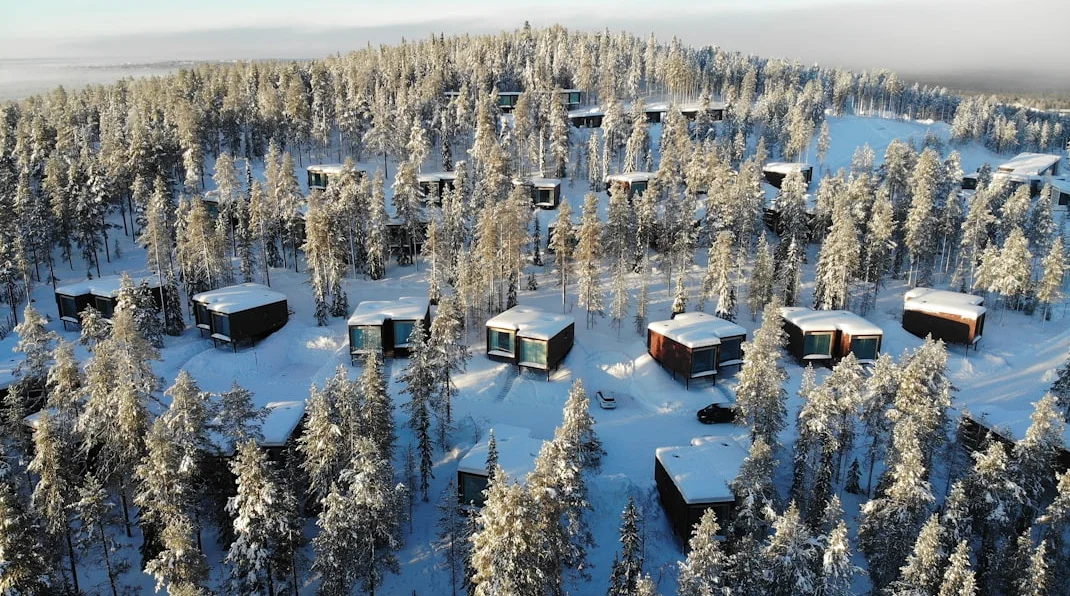
Finland has allocated EUR 20 million in humanitarian assistance to Ukraine, focusing on addressing the acute challenges posed by Russia’s ongoing aggression and the severe winter conditions. This contribution, part of a EUR 72 million humanitarian budget for 2026, highlights Finland’s commitment to supporting Ukraine amid a worsening humanitarian crisis.
Winter Conditions Exacerbate Humanitarian Needs
The winter has compounded the already dire situation in Ukraine, where Russia’s strikes on energy infrastructure have left millions without heating, electricity, or access to clean water. The humanitarian situation in frontline areas and large cities is particularly dire, with civilians facing extreme cold and limited resources.
Finland’s EUR 20 million assistance will be distributed through UN humanitarian agencies and the International Committee of the Red Cross (ICRC). This funding aims to provide heaters, fuel, clothing, and cash to those in need, as well as support the repair of damaged housing and essential services such as water, power, and heating systems.
Of the EUR 20 million, EUR 6 million will go to the United Nations High Commissioner for Refugees (UNHCR), EUR 6 million to the World Food Programme (WFP), EUR 5 million to the ICRC, and EUR 3 million to the Ukraine Humanitarian Fund managed by the United Nations Office for the Coordination of Humanitarian Affairs (OCHA).
Minister Emphasizes Finland’s Commitment to Ukraine
Minister for Foreign Trade and Development Ville Tavio emphasized Finland’s support for Ukraine in a statement. ‘Russia’s strikes are making it significantly more difficult for people living in the midst of the war to survive the Ukrainian winter. It is now essential to help supply energy and heating in face of the acute needs for humanitarian support. By stepping up our assistance, we are meeting people’s basic needs. Finland stands by Ukraine,’ Tavio said.
The humanitarian needs in Ukraine are at record levels, according to the Finnish Ministry for Foreign Affairs. This has prompted Finland to prioritize support for Ukraine, major refugee crises in Africa, and the humanitarian situation in the Middle East in its initial 2026 humanitarian funding decisions.
Global Humanitarian Efforts Expand
Finland is also expanding its humanitarian efforts beyond Ukraine. The country has allocated EUR 3 million to support the UNHCR’s regional operation in the Horn of Africa and the Great Lakes region. An additional EUR 2 million is being directed through the WFP to alleviate famine and improve food security in Sudan.
In the Middle East, Finland is contributing EUR 5 million through OCHA’s pooled fund and EUR 2 million through the ICRC to alleviate the humanitarian distress of Palestinians. The country is also providing EUR 2 million to the ICRC’s regional operation in the Sahel region.
Finland’s humanitarian aid extends to other regions as well. The country is helping Rohingya refugees in Bangladesh and addressing the humanitarian situation in Myanmar through support channeled through the UNHCR and OCHA’s pooled fund. The hunger crisis in Haiti is being addressed through WFP’s efforts.
In addition to these efforts, Finland is supporting disability inclusion by allocating EUR 6 million through various UN agencies, including the WFP, UNHCR, the Central Emergency Response Fund (CERF), and the Global Disability Fund (GDF). This funding ensures that people with disabilities, who are often the most vulnerable in humanitarian crises, receive the necessary support.
Finland has also committed EUR 4 million to WFP’s school meals activities, which are critical for children in humanitarian crises who may rely on these meals as their only source of nutrition in a day.
Alongside direct humanitarian assistance, Finland is providing core funding to multilateral humanitarian organizations, ensuring they have the flexibility to respond to emerging needs. The remaining budgeted humanitarian funding will be distributed later in the year, with the Ministry for Foreign Affairs also supporting the efforts of Finnish civil society organizations through program-based support from 2026 to 2029.




Comments
No comments yet
Be the first to share your thoughts