

The first week of the Iran war has cost the United States $11.3 billion, according to a report by the Pentagon to Congress. This figure includes the cost of military operations, humanitarian aid, and economic disruptions caused by the conflict. The report, which was presented to Congress, highlights the significant financial burden placed on the U.S. military and economy due to the ongoing war.
Economic Impact on Global Markets
The economic repercussions of the Iran war have been felt globally, with the Chinese yuan hitting a one-week low due to concerns over the Middle East conflict, as reported by TradingView. The uncertainty surrounding the situation has led to increased volatility in financial markets, with investors seeking safer assets. In Europe, the Saarbrücker Zeitung reported that the German government is closely monitoring the situation, with officials expressing concern over the potential long-term effects on the European economy.
The New York Times also noted that global oil prices have surged despite pledges from the U.S. and other countries to release reserves. This increase in oil prices is expected to have a cascading effect on economies worldwide, particularly in countries that rely heavily on oil imports. The financial strain on the U.S. military is also being felt domestically, with reports indicating that the cost of the war is being borne by both the government and the American public.
Military Casualties and Civilian Impact
The Korean news outlet, 경향신문, reported that the U.S. Department of Defense officially acknowledged that approximately 140 U.S. troops were wounded in the Iran war. This information was only made public after media reports highlighted the issue, indicating a lack of transparency in the initial stages of the conflict. The Pentagon has not yet released the number of fatalities, but the wounded troops are expected to require extensive medical care and long-term support.
Meanwhile, the impact on civilians has been significant. The New York Times reported that airstrikes have shaken both Beirut and Tehran, with reports of civilian casualties and infrastructure damage. The situation in Beirut has been particularly dire, with the city’s already fragile infrastructure struggling to cope with the additional strain of the conflict. In Tehran, the government has been working to provide humanitarian aid to those affected by the airstrikes, but resources are limited.
The Saarbrücker Zeitung noted that the German government is concerned about the potential for further escalation of the conflict, which could lead to a broader regional war. This concern is shared by other European nations, who are closely monitoring the situation and preparing for potential contingencies.
International Reactions and Diplomatic Efforts
International reactions to the Iran war have been mixed, with some countries expressing support for the U.S. military actions while others have called for de-escalation. The New York Times reported that the U.S. has been working with its allies to secure a resolution to the conflict, with diplomatic efforts focused on finding a peaceful solution.
However, the situation remains tense, with both the U.S. and Iran showing no signs of backing down. The Pentagon has stated that it will continue to support its military personnel in the region, while Iran has vowed to defend its territory and interests at all costs. The lack of progress in diplomatic negotiations has raised concerns about the potential for further military action.
The Korean news outlet, 경향신문, also reported that the South Korean government is closely following the developments in the Middle East, with officials expressing concern over the potential impact on regional stability. South Korea has been working with other Asian countries to promote dialogue and de-escalation efforts in the region.
Local Reactions and Humanitarian Concerns
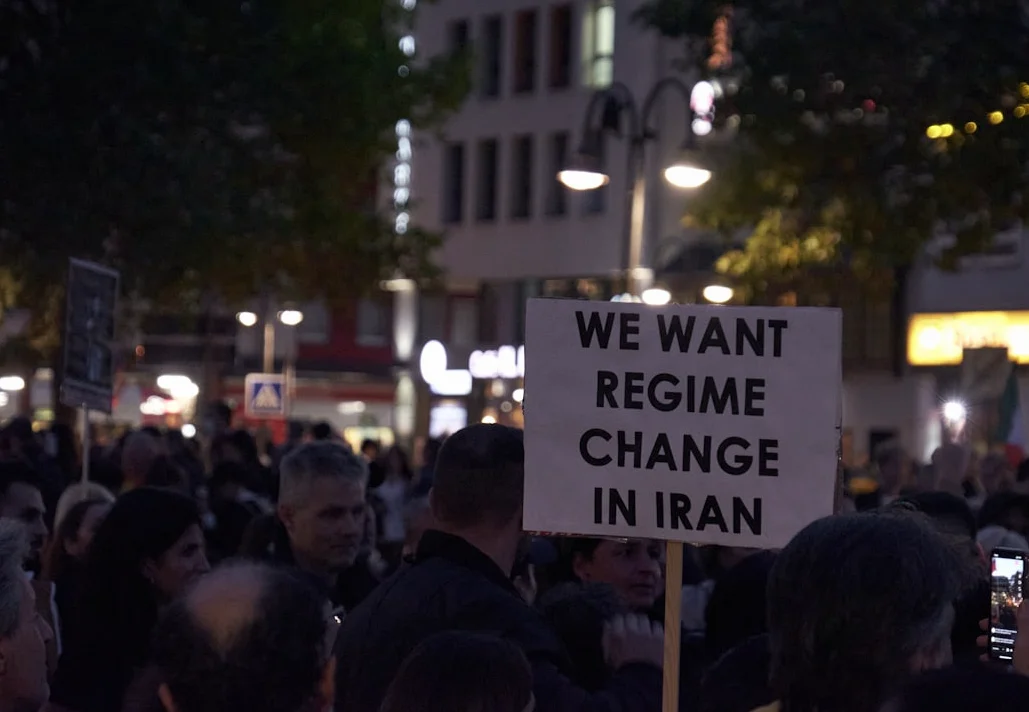
Local reactions to the Iran war have been varied, with some communities expressing support for the military actions while others have called for an immediate ceasefire. The Saarbrücker Zeitung reported that in Germany, there has been a growing movement calling for an end to the conflict, with protests held in several cities. These protests have been largely peaceful, but they have highlighted the deep divisions within the country over the war.
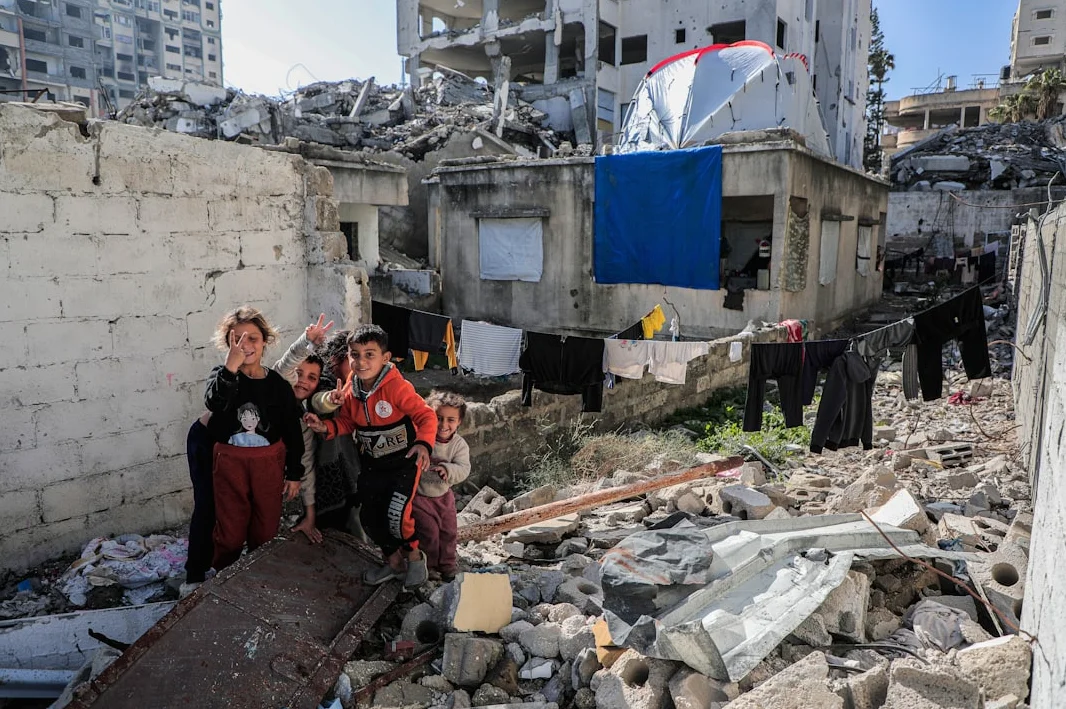
Meanwhile, the humanitarian impact of the war has been significant, with reports of displaced persons and those in need of urgent assistance. The New York Times reported that the International Red Cross has been working to provide aid to those affected by the conflict, but the situation remains dire. The lack of access to certain areas has hindered relief efforts, making it difficult to reach those in need.
The Korean news outlet, 경향신문, also highlighted the importance of international cooperation in addressing the humanitarian crisis. South Korea has been working with other countries to provide aid to those affected by the conflict, but the scale of the crisis has been overwhelming for many nations.
What’s Next and Why It Matters
The next phase of the Iran war will be critical in determining the long-term impact of the conflict. The Pentagon has indicated that it will continue to support its military personnel in the region, but there is growing concern about the financial and human costs of the war. The U.S. government is under pressure to find a resolution to the conflict, with both domestic and international stakeholders calling for an end to the violence.
The situation in the Middle East is also of global significance, with the potential for the conflict to spread beyond the region. The economic and political implications of the war could have far-reaching effects on the world, making it a matter of global concern. The international community is closely watching the developments, with hopes that a peaceful resolution can be reached soon.
As the war continues, the focus will remain on the humanitarian impact and the need for international cooperation. The global community must work together to find a solution that addresses the root causes of the conflict and prevents further escalation. The future of the region depends on the ability of all parties to engage in meaningful dialogue and find a path to peace.





Comments
No comments yet
Be the first to share your thoughts