

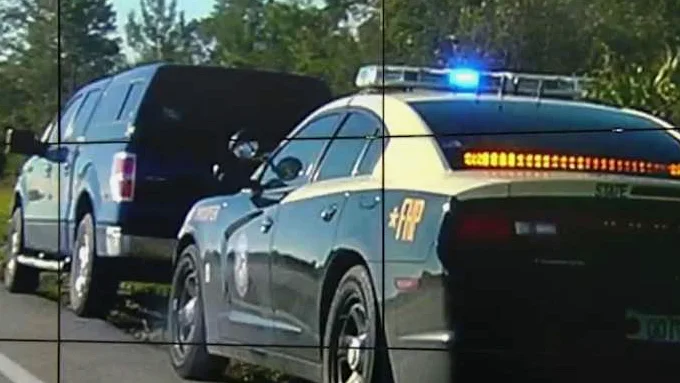
TALLAHASSEE — A proposed Florida bill seeks to introduce a voluntary system to ease traffic stops for drivers with autism by using a distinct blue envelope to signal to law enforcement officers that the driver may experience communication challenges or heightened stress.
How the Blue Envelope System Would Work
The bill, which has passed the state Senate and is now heading back to the House for a vote on Thursday, would allow drivers with autism to store their license, registration, and insurance information in a blue envelope. This envelope would be kept in the vehicle and handed to an officer during a traffic stop to indicate that the driver may need additional support during the interaction.
According to the bill’s sponsor, state Senator Janet Hughes, the system is designed to reduce misunderstandings and potential escalation during traffic stops, which can be particularly stressful for individuals on the autism spectrum.
“This is about making sure that law enforcement can quickly recognize that a driver may need more time or a different approach to communicate effectively,” Hughes said in a recent statement.
Impact on Law Enforcement and Drivers
If the bill becomes law, the system would take effect on July 1. It would not be mandatory for drivers to use the blue envelope, but it would be available to those who choose to participate.
Law enforcement officials have expressed support for the measure, noting that it could help de-escalate tense situations and improve communication during traffic stops. The Florida Highway Patrol, which has been consulted on the proposal, said it would provide training to officers on how to respond to the blue envelope.
“We recognize that every driver is different, and this system could be a useful tool for officers to better understand the needs of drivers with autism,” a spokesperson for the Florida Highway Patrol said.
The blue envelope system is not the first of its kind. Similar initiatives have been explored in other states, including California and Texas, where local law enforcement agencies have experimented with various methods to assist drivers with special needs during traffic stops.
Broader Implications for Autism Awareness
The bill has also sparked a broader conversation about the need for greater awareness and support for individuals with autism in everyday interactions, particularly with law enforcement.
Advocacy groups have praised the proposal as a step forward in creating a more inclusive approach to policing. The Autism Society of Florida, which has been working with lawmakers on the issue, said the measure could help reduce the number of incidents involving individuals with autism and law enforcement.
“This is a practical and thoughtful solution that could make a real difference for drivers with autism and their families,” said Sarah Mitchell, a representative from the Autism Society of Florida.
The bill is expected to be debated in the House on Thursday, with a final vote likely to follow in the coming weeks. If passed, the law would provide a new tool for drivers with autism to communicate their needs more effectively during traffic stops.
Supporters of the bill argue that it is a relatively simple and cost-effective way to improve the experience of drivers with autism and reduce the risk of misunderstandings with law enforcement.
“We believe this is a win-win for both drivers and officers,” said Hughes. “It’s about creating a safer and more respectful environment for everyone involved in a traffic stop.”
The bill has no specific funding attached, as it would rely on existing resources within law enforcement agencies to implement and support the system. However, advocates say that the cost of training officers and providing information to drivers would be minimal compared to the potential benefits.
As the bill moves forward, it remains to be seen whether it will pass in the House and become law. If it does, it could set a precedent for other states looking to improve interactions between law enforcement and individuals with autism.






Comments
No comments yet
Be the first to share your thoughts