

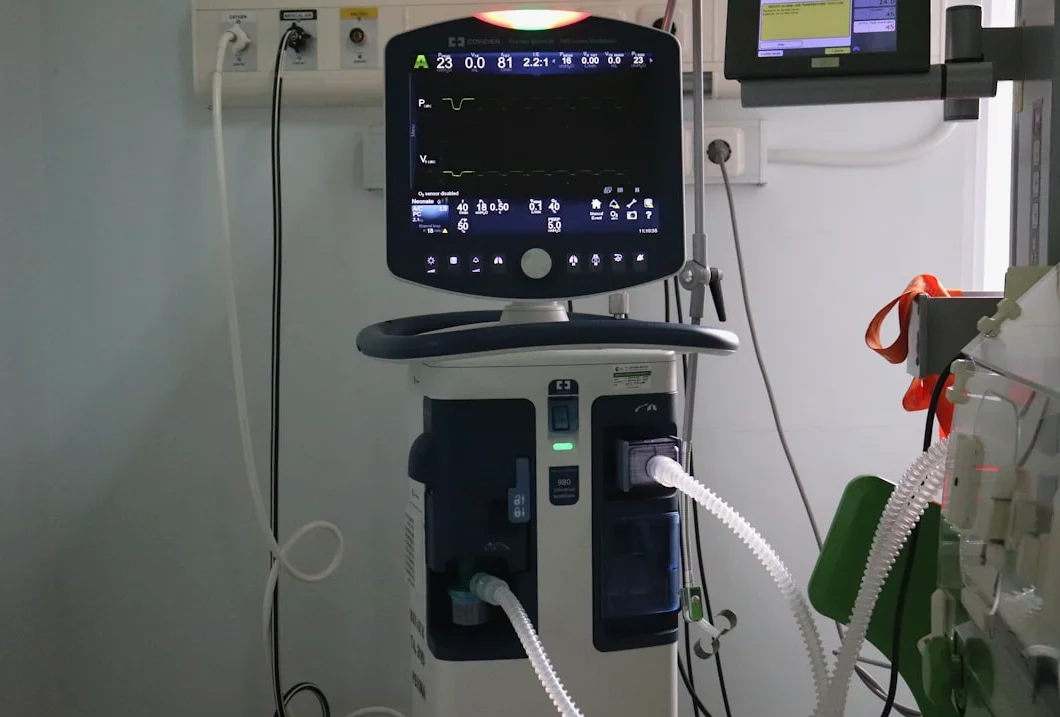
Fresenius Medical Care has begun deploying its 6008 dialysis machine in U.S. dialysis centers, part of a global push to modernize in-center hemodialysis. The platform automates fluid management and integrates real-time data monitoring, according to company materials and nephrology conference reports.
Patients undergoing three- to five-hour sessions won’t select the machine themselves. Clinic staff operate it, but the equipment influences treatment precision, alarm frequency and staff workload. Fresenius positions the 6008 as an upgrade from its 5008 series, with features like standardized therapy profiles and digital documentation to cut consumable waste and handling steps.
The company, a leading dialysis provider in North America, supplies equipment to many of its own centers and others. Industry sources note installations in Europe and Asia already, with U.S. rollout following regulatory approvals. Nephrology posters from recent conferences highlight how the system links prescriptions directly to delivery, minimizing deviations.
Costs remain opaque for patients. Machines fall into the high five- to six-figure range per unit, officials said, with additional expenses for disposables and maintenance contracts negotiated between Fresenius and providers. No public consumer pricing exists, as sales target hospitals and clinics.
Patient discussions on platforms like Reddit and X rarely name specific models. Instead, they describe smoother sessions and fewer interruptions with newer machines. Staff feedback in industry publications echoes this, praising reduced manual tasks that allow more focus on care.
Conference abstracts frame the 6008 as an evolutionary step, not a revolution. Experts emphasize training to use data for better outcomes. For the 78 million U.S. adults with chronic kidney disease, many progressing to dialysis, such upgrades could mean consistent care amid staffing shortages.
Fresenius reports the platform cuts errors by automating routine checks. Real-time analytics track treatment progress, alerting staff to issues early. Clinics using it see lower material use per session, according to operational studies shared at kidney care events.
U.S. patients can inquire about their clinic’s equipment. Questions like ‘Does this center use the 6008 platform?’ or ‘How does the machine ensure prescription accuracy?’ prompt useful responses, nephrologists suggest. With Fresenius operating over 2,600 U.S. centers, many patients already encounter its systems.
The rollout aligns with broader industry shifts toward efficiency. Competitors develop similar tech, but Fresenius leads in scale. As adoption grows, outcomes data will clarify benefits, though early indicators point to safer, more reliable sessions.






Comments
No comments yet
Be the first to share your thoughts