

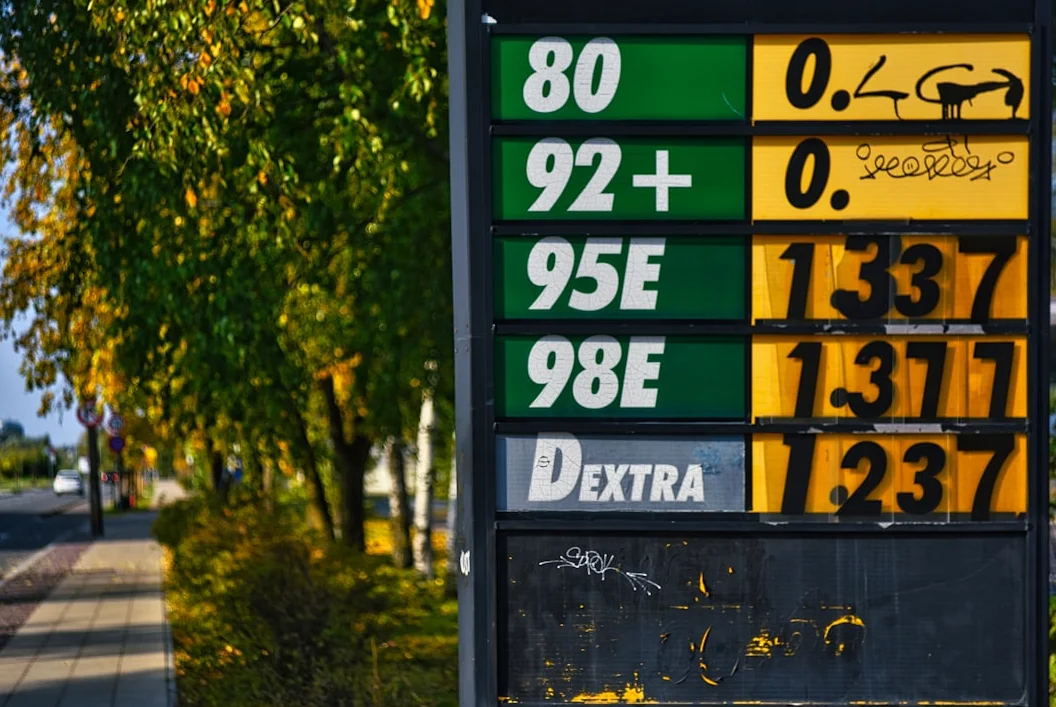
Rising fuel prices in Bangladesh are not just a result of global market fluctuations but are being exacerbated by local market manipulation, according to recent reports. The situation has reached a critical point where even minor changes in oil prices cause a domino effect, leading to sharp increases in the cost of staple goods such as rice, pulses, salt, and cooking oil. This has placed an increasing burden on ordinary citizens, many of whom are struggling to make ends meet.
Manipulation and Moral Hazard in the Oil Market
The root of the crisis lies in a combination of moral hazard and market manipulation. A powerful and unscrupulous syndicate is reported to be controlling the oil market, artificially creating shortages to justify price hikes. This manipulation is not only driving up prices but also eroding public trust in the market system. According to economic analysts, the lack of effective regulation has allowed these groups to operate with impunity.
Businessmen, driven by an insatiable appetite for profit, have increasingly prioritized personal gain over public interest. This has led to an environment where speculation, rather than supply and demand, dictates price movements. The result is a volatile market that is far from stable. As one observer noted, ‘This is a social crime, where the most vulnerable are being exploited for the benefit of a few.’
Artificial Crisis and Market Instability
The manipulation of fuel prices has now become an industry in itself. Large quantities of oil and edible oil are stored in warehouses, creating the illusion of scarcity. When panic sets in, these reserves are released at inflated prices, leading to sudden spikes in commodity costs. This practice has turned the oil market into a battleground where the interests of the common people are sacrificed for quick profits.
According to a recent report, this type of fraudulent activity has turned many individuals into overnight millionaires while pushing millions of others into destitution. The government is being urged to take decisive action to crack down on these profiteers. ‘Unless we identify and act against those creating artificial crises, market instability will never go away,’ said an economic expert.
The current situation is reminiscent of past crises, where similar tactics were used to manipulate prices. However, the scale and frequency of these manipulations are reaching unprecedented levels. The lack of regular market monitoring and strict regulatory oversight has only exacerbated the problem. Raids on illegal stockpiles temporarily lower prices, but the situation quickly reverts to its previous state.
Impact on Trade and Daily Life
The artificial fuel crisis is not only affecting the oil market but is also having a ripple effect on the prices of other essential goods. As the cost of fuel increases, the prices of transportation, manufacturing, and even food products are rising. This has led to a significant increase in the cost of living for ordinary citizens. According to recent data, the price of rice has increased by 15% over the past six months, while the cost of cooking oil has risen by 20%.
The impact is being felt most acutely by the middle and lower classes, who spend a significant portion of their income on basic necessities. As one shopkeeper in Dhaka explained, ‘Every time the fuel price goes up, I have to raise my prices. But it’s not just me—it’s everyone in the supply chain.’ This has created a vicious cycle where rising fuel prices lead to higher commodity prices, which in turn reduce consumer spending and further destabilize the economy.
The government has been urged to take a firm stance against these manipulations. Economic analysts warn that if action is not taken soon, the prices of other daily necessities will also go out of control. ‘The government must ensure strict supervision, adequate supply, and exemplary punishment against hoarders,’ said an economist at a recent forum on market stability.
Ordinary citizens are also being called upon to play their part. Conscious common people must speak out against injustice to help eliminate this instability in the market. ‘Only through collective action can we hope to bring about real change,’ said a consumer rights activist. ‘The common people must not remain silent while their hard-earned money is being siphoned off by profiteers.’
The situation is a stark reminder of the consequences of mismanagement and the need for strong regulatory frameworks. Unless decisive action is taken, the fuel crisis will continue to push commodity prices higher, further straining the economy and the livelihoods of ordinary citizens.




Comments
No comments yet
Be the first to share your thoughts