

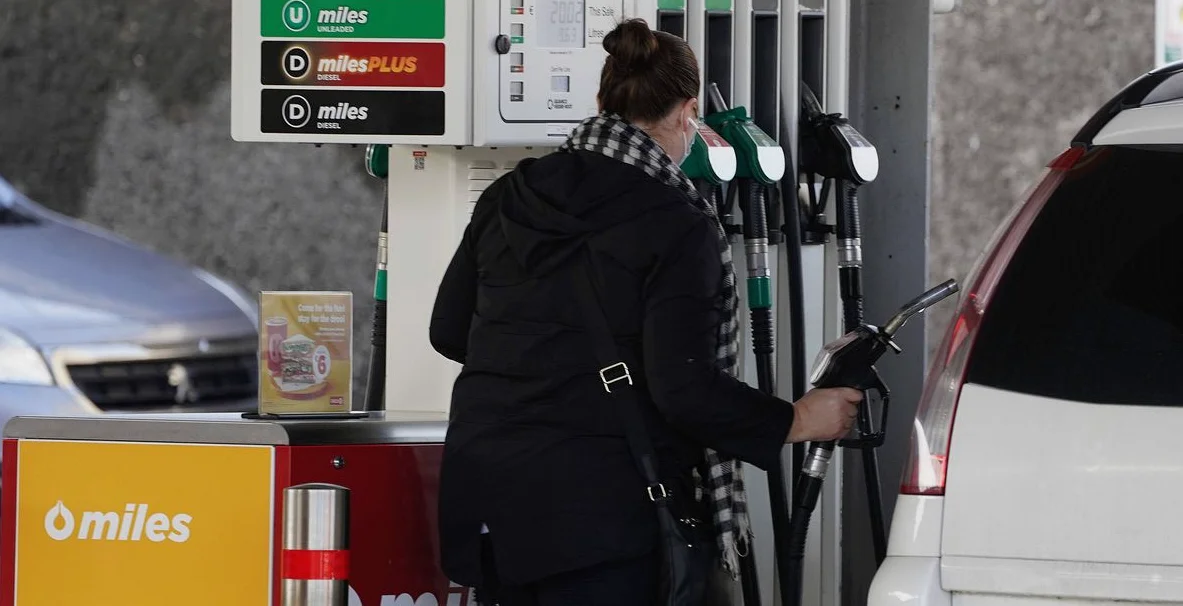
Ireland’s government is preparing to roll out targeted fuel relief measures within days, as the cost of oil and gas continues to surge due to the ongoing conflict in the Middle East, Tanaiste Simon Harris has confirmed. Speaking to reporters on Friday, Harris said a series of short-term measures will be introduced on Tuesday to address the crisis, which has led to a sharp increase in fuel prices at the pumps across the country.
Targeting Vulnerable Sectors and Individuals
The relief package will focus on three key areas: reducing the cost of petrol and diesel, supporting those most at risk of fuel poverty, and assisting critical parts of the economy, particularly the haulage sector. Harris emphasized that the measures are designed to be both immediate and targeted, acknowledging the growing anxiety caused by the rapid rise in fuel prices.
According to the Irish Mirror, the government has been working closely with the Taoiseach, relevant ministers, and the Department of Finance over the weekend to finalize the package. Harris said he is in “constant contact” with key decision-makers, signaling the urgency of the situation.
“There are some people in this country at greater risk of fuel poverty than others,” Harris said, highlighting the need for the fuel allowance to provide direct support to those most in need. He also pointed out that the haulage sector, which plays a crucial role in maintaining supply chains, is particularly vulnerable to the current fuel price spike. Industry representatives have warned that without urgent action, they may resort to protest measures.
Short-Term Measures to Assess Long-Term Impact
Harris acknowledged that the measures are intended to be short-term, allowing the government to “take stock” of the economic situation, assess the response of European counterparts, and adapt as needed. The ongoing conflict in the Middle East has created an unpredictable environment, and Harris admitted that predicting its full economic consequences remains a challenge.
“I have yet to meet anybody in the world who can predict with any degree of certainty where this conflict is going to go, how long it’s going to go on, for the depths with which it’s going to reach, and therefore the full economic consequences,” Harris said, underlining the need for flexibility in the policy response.
The government’s decision comes as fuel prices have surged to record levels, with consumers feeling the strain at the pumps. The cost of oil and gas has been driven higher by geopolitical tensions and supply chain disruptions, creating a ripple effect across the economy.
According to recent data, the average price of unleaded petrol in Ireland has increased by over 25% in the past three months, while diesel prices have risen by nearly 30%. These increases have placed a significant burden on households and businesses, particularly those in the transport and logistics sectors.
Economic and Social Implications
The fuel relief measures are expected to provide some immediate respite for consumers and businesses, but experts warn that the long-term impact of the conflict on the global energy market remains uncertain. The government’s focus on short-term solutions reflects the difficulty in forecasting the duration and intensity of the current crisis.
Economists have pointed out that the rising cost of fuel not only affects individual households but also has broader implications for the economy, including inflation, transportation costs, and the competitiveness of Irish exports. With the haulage sector at risk of disruption, the government’s support is seen as a necessary step to prevent further economic strain.
“The government is trying to balance immediate relief with the need to remain flexible,” said an economic analyst at a local think tank. “Without clear long-term strategies, the measures may only provide temporary relief.”
The government’s announcement is expected to be a key moment for Irish households and businesses struggling with the rising cost of living. While the relief measures may not fully offset the impact of the current crisis, they represent a crucial step in addressing the immediate needs of the most vulnerable sectors.
Harris reiterated that the government is committed to providing targeted support and remains in close coordination with key stakeholders. The measures are set to be revealed on Tuesday, with officials emphasizing the importance of taking swift action to mitigate the effects of the ongoing energy price surge.
As the situation continues to evolve, the government will need to monitor the impact of its actions and be prepared to adjust its strategy as needed. The coming weeks will be critical in determining the effectiveness of the relief package and the broader economic response to the crisis.





Comments
No comments yet
Be the first to share your thoughts