

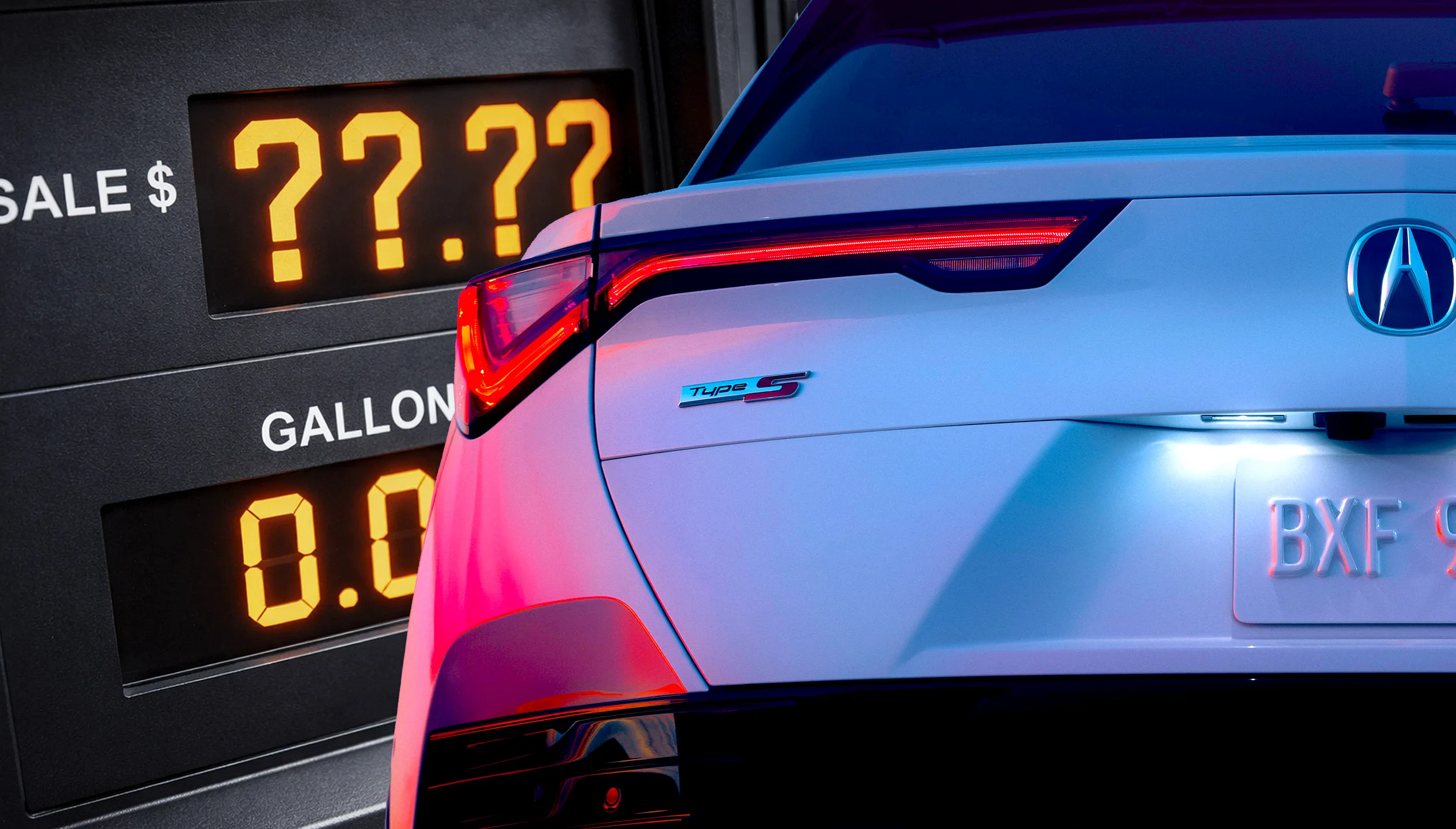
The United States is facing a potential energy crisis as gasoline prices rise, driven by escalating tensions in the Middle East and the impact of the U.S.-Israeli conflict with Iran. According to the American Automobile Association (AAA), the U.S. average gas price recently reached $3.25 per gallon, a sharp increase that signals a possible long-term trend. With crude oil markets reacting to the geopolitical instability, experts warn that prices could continue to climb for weeks or even months, potentially reaching $7 a gallon or more.
Rising Fuel Costs and the Threat of Supply Disruption
The primary concern is the risk of oil supply disruption through the Strait of Hormuz, a critical global energy chokepoint. Any significant disruption in shipping through this narrow waterway could cause a sharp spike in oil prices and, by extension, gasoline prices. Analysts from the U.S. Energy Information Administration (EIA) predict that even if the conflict with Iran cools, oil prices may remain elevated in 2026, pushing U.S. gasoline prices into the mid-$3 range on average.
However, more extreme scenarios are being considered. Reuters reports that some major banks and financial institutions are projecting crude oil prices could reach $120 per barrel, and a few analysts even suggest $150 per barrel is possible. At $130 per barrel in 2022, gas prices reached about $5 per gallon, and at $150 or higher, fuel prices could hit $6 or $7 per gallon. This level of cost is expected to make electric vehicles (EVs) significantly more attractive to drivers who previously had no interest in switching from gas-powered cars.
Consumer Sentiment and the EV Transition
With the cost of fuel increasing, many Americans are beginning to ask themselves a crucial question: at what point would they consider switching to an EV? According to a recent survey conducted by Carscoops, a significant number of drivers say they would consider an EV if gas prices reach $7 per gallon or higher. The survey highlighted that while EVs have long been seen as a green alternative, their economic appeal is becoming more pronounced as fuel costs rise.
“If gas hits $7 a gallon, I think a lot of people are going to start looking at electric vehicles more seriously,” said one respondent. “It’s not just about the environment anymore—it’s about saving money at the pump.”
However, the transition to EVs is not immediate for everyone. Many consumers are still concerned about the upfront cost of purchasing an electric vehicle, the availability of charging infrastructure, and the range of EVs on the road. Despite these concerns, the growing affordability of EVs and the rapid expansion of charging networks are making the switch more feasible for a broader audience.
What Analysts Say About the Future of Fuel and EV Adoption
Experts warn that the current situation could be a turning point for the automotive industry. “We’re seeing a shift in consumer behavior that we haven’t seen before,” said Dr. Laura Chen, an energy economist at the University of Texas. “With oil prices at these levels, the economic incentive to switch to EVs is becoming very strong. This could accelerate the adoption of electric vehicles beyond what we’ve seen in the past few years.”
According to a report by the International Energy Agency (IEA), the number of EVs on U.S. roads is expected to grow significantly over the next five years. The report estimates that by 2030, EVs could account for nearly 50% of new car sales in the U.S., up from less than 5% in 2023. This shift is partly driven by government incentives, improvements in battery technology, and, increasingly, the rising cost of gasoline.
“The economic pressure of high fuel prices is a powerful motivator,” said John Miller, a senior analyst at the EIA. “If gas prices keep climbing, we could see a significant increase in EV sales, especially among those who are currently hesitant to make the switch.”
While the situation remains uncertain, the current geopolitical tensions in the Middle East are expected to have lasting effects on energy markets. Analysts are closely monitoring the situation to see how it will unfold and whether it will lead to a sustained increase in fuel prices. If the U.S. and its allies are unable to de-escalate the situation, the impact on consumers and the automotive industry could be profound.
For now, Americans are watching the gas prices closely, hoping for a return to more stable conditions. But as the cost of fuel continues to rise, more people may find themselves asking the question that has been on the minds of many: if gas hits $7 a gallon, would you finally consider switching to an EV?






Comments
No comments yet
Be the first to share your thoughts