

 WH News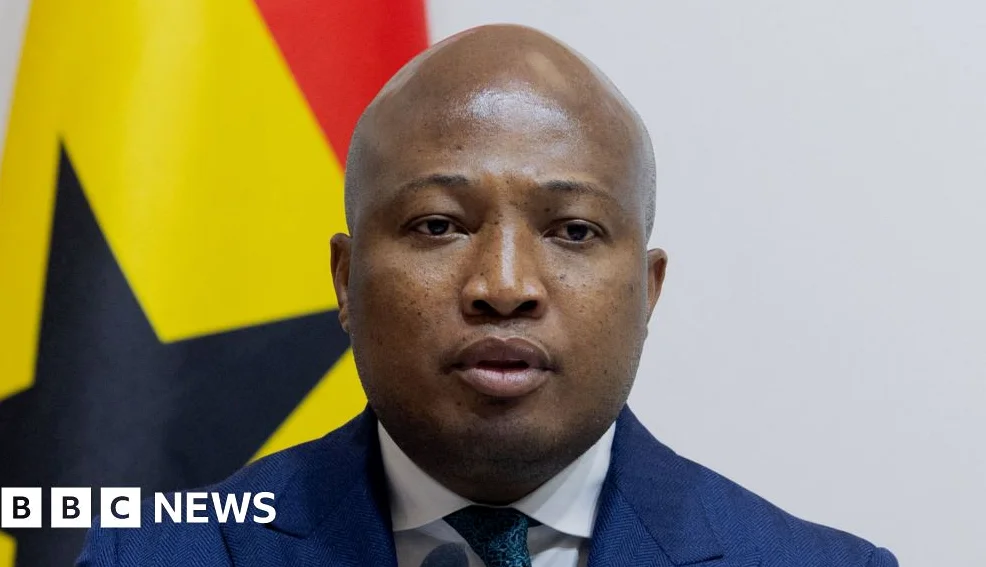
Ghana has demanded compensation for historical slavery in a landmark UN General Assembly vote, with the resolution calling for reparatory justice for the transatlantic slave trade’s legacy. The resolution. Backed by 132 nations. Seeks to establish a framework for reparations to countries affected by the slave trade, including Ghana, which was a major hub for the transatlantic slave trade. The vote took place on March 25, 2026, with 132 nations supporting the resolution, 12 opposing, and 39 abstaining. The resolution does not specify the exact amount of compensation but calls for a commission to assess the financial and moral obligations of former slave-trading nations.
Historical Context and Ghana’s Argument
Ghana, formerly known as the Gold Coast, was a key player in the transatlantic slave trade, with an estimated 3.5 million Africans forcibly taken from the region between the 16th and 19th centuries. According to GBC Ghana Online. The country has long argued that the legacy of slavery has had lasting economic and social impacts, including underdevelopment and systemic inequality. Dr. Mahamudu Bawumia. Ghana’s vice president. Has emphasized that reparations are not about seeking revenge but about acknowledging historical wrongs and seeking justice for descendants of enslaved people.
Ghana’s resolution was introduced by the African Union and supported by numerous African nations, with the BBC reporting that the move has sparked debates about the moral and legal responsibilities of former colonial powers. The resolution calls for the creation of an international commission to assess the financial and moral obligations of former slave-trading nations, including the United States, the United Kingdom, and Portugal.
According to GBC Ghana Online. The resolution also highlights the need for former slave-trading nations to acknowledge their historical role in the trade and to provide reparations in the form of financial compensation, debt relief, and investment in affected countries. The resolution does not specify the exact amount of compensation but calls for a commission to assess the financial and moral obligations of former slave-trading nations.
Reactions and International Support
The resolution received significant support from African nations, with 132 countries voting in favor. According to the BBC, the resolution was backed by the African Union and several other countries, including Nigeria, South Africa, and Kenya. The vote marked a historic moment, as it was the first time a UN resolution on reparatory justice for slavery was passed with such broad support.
However, the resolution faced opposition from some Western nations, including the United States and the United Kingdom. According to the BBC, the U.S. and the UK expressed concerns about the legal and financial implications of the resolution, stating that the issue of reparations is complex and requires further discussion. The UK’s representative at the UN stated that the country has already made significant investments in development aid to former colonies and questioned the need for additional reparations.
Ghana’s foreign minister, Shirley Boko, stated that the resolution was a





Comments
No comments yet
Be the first to share your thoughts