

 The Guardian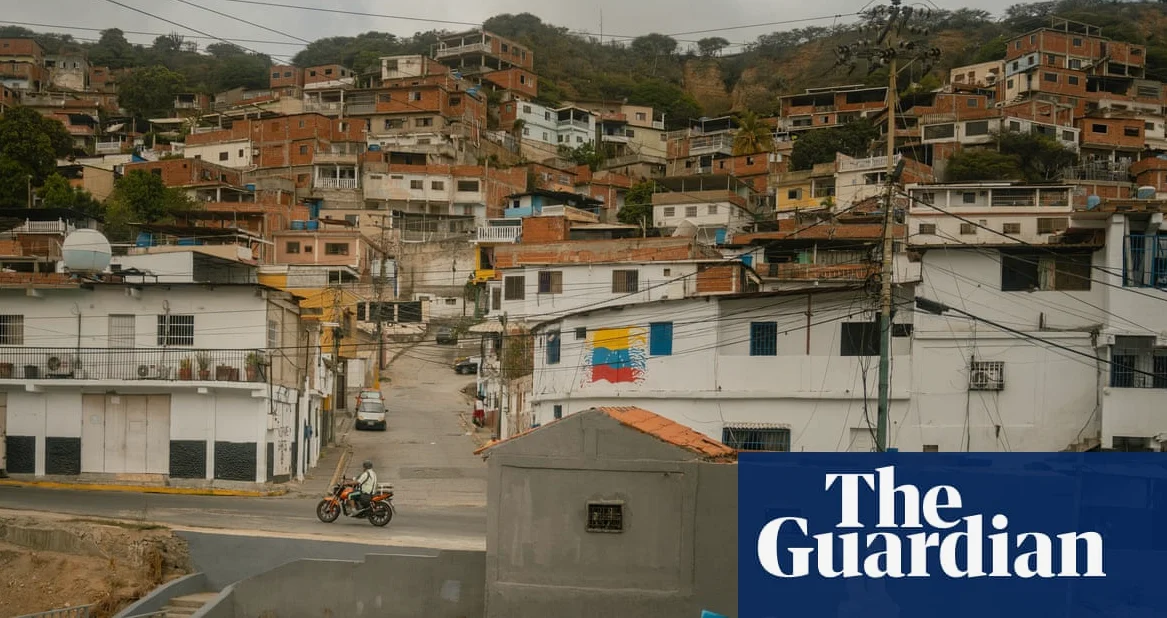
When Ángel Linares heard a strange buzz followed by an explosion, his first thought was that neighbours were setting off fireworks to celebrate the new year. According to The Guardian.
Chaos in Catia La Mar
Then his windows shattered, the building’s walls shook and its facade was ripped off, sending him flying on to the ground of an apartment suddenly reduced to rubble. His 85-year-old mother, Jesucita, feared Venezuela’s northern coast had been devastated by an earthquake, like the one she remembers from 1967.
Next door, Elizabeth Herrera jumped out of bed in her pyjamas and realized something more sinister was afoot when the post-explosion silence was filled with the sound of gunfire: “Tah-tah-tah-tah-tah-po-po-tah-tah-tah.”
“Is it a coup? … I don’t believe ‘Papá Trump’ would have dared to invade,” Herrera remembers her husband speculating as their housing estate’s panicked residents struggled to make sense of the mayhem just before 2am on 3 January.
Trump’s Lightning-Fast Invasion
All four residents of the Urbanización Rómulo Gallegos project in Catia La Mar, a seaside town 20 miles north of Caracas, were wrong. Donald Trump had indeed ordered an invasion of Venezuela, albeit a lightning-fast one to abduct the country’s then president, Nicolás Maduro.
Their community found itself at the eye of the storm as air-to-surface missiles rained down on defense and radar systems and radars along the country’s Caribbean coast and helicopter-borne Delta Force fighters swept south towards the capital. “They were 10 minutes that felt like an interminable hour,” said Herrera, who lost two elderly neighbours during the attack that was apparently targeting military installations on a nearby hill.
She recalled her autistic son’s anguish as they rushed out into the darkness and sheltered in a nearby school. “Mummy, are we the baddies? Are Venezuelans the baddies? Are they going to kill us?” he asked.
Confusion and Illusion
“I told him, ‘No, it’s probably just an issue between the White House and Miraflores,’” she replied, referring to Venezuela’s presidential palace. “So why are they shooting at us?” her son insisted. “In his autistic mind … it made no sense that if this was a thing between governments, why were the missiles falling here?”
More than four months after Operation Absolute Resolve, Herrera and her neighbours are far from the only ones still trying to make sense of Trump’s intervention and its impact on the future of a country already reeling from years of poverty, hunger and repression.
Across Venezuela, ordinary citizens, opposition activists, diplomats, businesspeople and members of Maduro’s movement are trying to fathom the bewildering new era ushered in by the autocrat’s capture and Trump’s unexpected decision to recognise his vice-president, Delcy Rodríguez, who has held power since.
“Everything is so confusing … This feels sometimes like an illusion,” said Jesús Armas, a former political prisoner and ally of the exiled opposition leader and Nobel laureate, María Corina Machado, who had hoped to take power but has been sidelined from Venezuela’s post-Maduro transformation.






Comments
No comments yet
Be the first to share your thoughts