

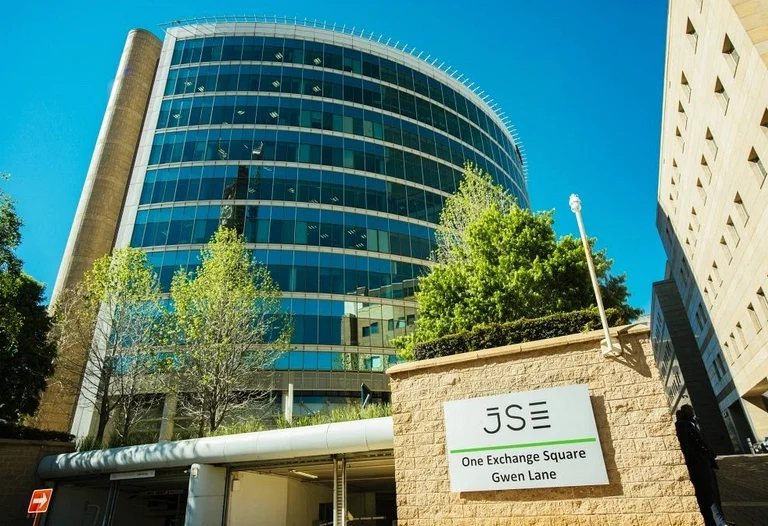
The JSE All Share Index closed at 114,924 on Friday, a drop of 1.7% from its previous close, marking a significant loss from its peak of 128,455 recorded on 27 February. The Top 40 Index also fell by 1.8% to 107,285, reflecting broader investor concerns over the escalating situation in the Middle East. The conflict has triggered a chain reaction, with oil prices surging above $100 per barrel, prompting investors to flee into less volatile markets in search of stability.
Impact on Trade and Fuel Prices
The knock-on effects of the Middle East conflict have been felt globally, with Fitch and Moody’s rating agencies warning that the situation could lead to a global economic slowdown. Both agencies emphasized that higher oil prices are contributing to inflation, while constrained shipping lanes are disrupting supply chains and slowing economic growth. According to the insurance publication Intelligent Insurer, the agencies have predicted that the conflict may last only a few weeks, but the longer it continues, the higher the risk of a global economic downturn.
Locally, the Central Energy Fund has issued an estimate indicating that fuel prices may rise significantly in the coming weeks. Petrol prices are expected to increase by between R3.60 and R3.90 per litre, while diesel is projected to rise by R6.60 to R6.70 per litre. These increases are anticipated to take effect at the beginning of April, further adding to the financial burden on households and businesses.
Global Market Reactions
The nervousness spilling over from South African markets has affected global financial hubs as well. Wall Street closed lower on Friday, with the Dow Jones Industrial Average down 0.25%, the S&P 500 down 0.67%, and the Nasdaq down 1%. Over the past three weeks, the S&P 500 has fallen by 3%, signaling growing investor caution. In London, the FTSE 100 was down 0.5%, reflecting similar concerns about the economic outlook.
Asian markets showed a mixed performance on Monday, with Tokyo’s Nikkei 225 down 1.25% and Sydney’s ASX 200 also declining by 0.5%. In contrast, Hong Kong’s Hang Seng Index rose 0.25%, indicating some resilience in certain markets. The global economic uncertainty has created a ripple effect, with investors seeking safer assets amid rising inflationary pressures.
Currency and Commodity Movements
The South African rand has weakened against major currencies, with the exchange rate now at 16.83 to the US dollar, 22.32 to the British pound, and 19.27 to the euro. These fluctuations have been driven by inflation fears and the broader economic uncertainty surrounding the Middle East conflict. The rand’s value has been under pressure as investors move their capital to more stable markets.
Commodity markets have also seen notable movements, with gold trading at $5,019 per ounce and platinum at $2,050 per ounce. Bitcoin has shown some resilience, trading at $73,711, while a barrel of Brent crude oil has climbed to $104.27, reflecting the ongoing demand for energy resources amid the geopolitical tensions.
Analysts have noted that the current situation is reminiscent of previous periods of global economic uncertainty, such as the 2008 financial crisis and the 2011 Arab Spring uprisings. However, the current conflict in the Middle East has introduced a new layer of complexity, with its effects felt across multiple sectors of the global economy.
As the conflict continues, the economic impact will likely become more pronounced, with both local and international markets facing prolonged uncertainty. The Central Energy Fund’s projections for fuel price increases are expected to add to the cost of living for South African consumers, while the weakening rand will further strain the country’s import-dependent economy.
What’s next for investors and policymakers remains unclear, but the situation highlights the need for strong economic planning and risk management strategies. As the global community watches the Middle East closely, the financial implications of the conflict are becoming increasingly evident, with no immediate resolution in sight.






Comments
No comments yet
Be the first to share your thoughts