

 Al Jazeera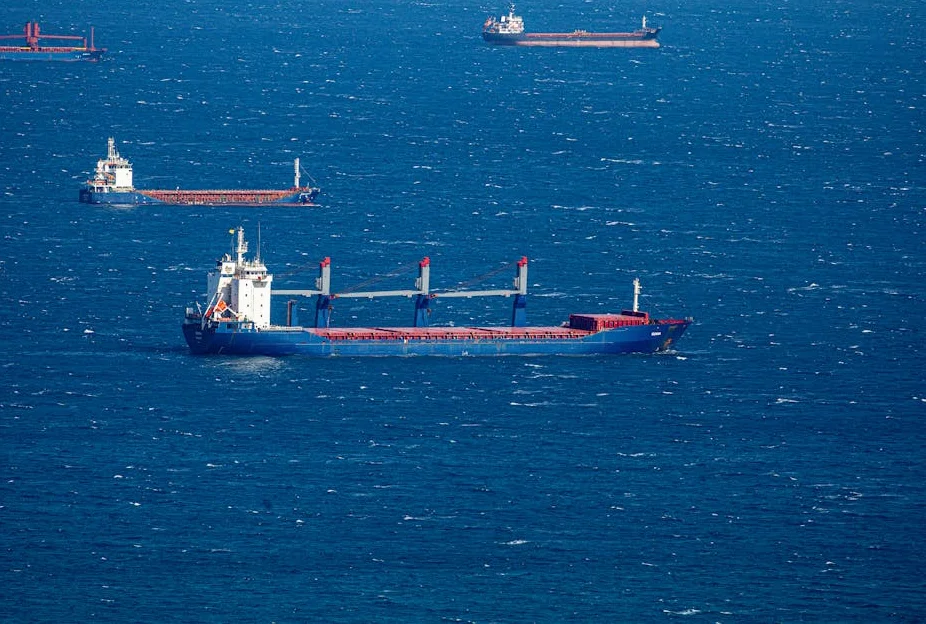
Activists with the Global Sumud Flotilla have disrupted the MSC Maya, a cargo ship they believe was carrying materials used for Israeli weapons to the ports of Ashdod and Haifa. The vessel is operated by the Mediterranean Shipping Company, which Al Jazeera confirms has carried hundreds of shipments to and from illegal Israeli settlements.
Flotilla’s Protest Targets Weapons Supply Chain
The Global Sumud Flotilla, composed of activists from multiple countries, has been protesting the flow of goods to Israeli settlements in the occupied West Bank, though According to the activists, the MSC Maya was carrying components used in the production of weapons, which are then transported to military bases in Israel.
During the disruption. Activists boarded the vessel and attempted to inspect the cargo — they claimed they found documentation suggesting the ship was delivering materials to military facilities in Israel. The Mediterranean Shipping Company has not officially commented on the claims, but it has a long history of transporting goods to and from Israeli settlements.
According to Al Jazeera, the Mediterranean Shipping Company has been involved in numerous shipments to Israeli settlements, which are considered illegal under international law, while the company has previously faced criticism for its role in the logistics of goods moving to these settlements.
Activists Highlight International Concerns
The Global Sumud Flotilla is part of a broader movement that seeks to draw international attention to the issue of Israeli settlements in the occupied territories. Activists have been increasingly vocal about the role of international shipping companies in facilitating the movement of goods to these areas.
According to a statement released by the Global Sumud Flotilla, the activists believe that the MSC Maya was part of a larger network that supplies materials to the Israeli military. They argue that this network enables the continued expansion of settlements, which they claim are illegal under international law.
The activists emphasized that their actions were peaceful and aimed at raising awareness about the ongoing conflict in the region; they stated that they were not targeting the crew of the MSC Maya but rather the cargo and the company’s role in the supply chain.
According to Al Jazeera, the Mediterranean Shipping Company has not confirmed or denied the claims made by the activists; However, the company has faced similar protests in the past, and its operations have been the subject of scrutiny by human rights organizations.
Broader Implications for International Shipping
The disruption of the MSC Maya has raised questions about the role of international shipping companies in conflicts involving occupied territories. According to experts. Such companies often operate under the assumption that they are merely transporting goods, without being fully aware of the political implications of their actions.
The Global Sumud Flotilla has called on international shipping companies to review their policies regarding the transportation of goods to Israeli settlements. They argue that these companies have a responsibility to ensure that their operations do not contribute to the expansion of settlements, which they claim violate international law.
According to Al Jazeera. The Mediterranean Shipping Company is one of the largest shipping companies in the world, with operations spanning multiple continents. The company has not commented on the specific incident involving the MSC Maya but has previously stated that it complies with all applicable laws and regulations.
The disruption of the MSC Maya has drawn attention to the complex role that international shipping companies play in global conflicts. According to activists, the incident highlights the need for greater transparency and accountability in the shipping industry, particularly in regions affected by ongoing disputes.
The Global Sumud Flotilla has vowed to continue its protests against the flow of goods to Israeli settlements. According to the activists, their actions are part of a larger effort to challenge the legitimacy of settlements in the occupied West Bank and to hold international companies accountable for their roles in the conflict.






Comments
No comments yet
Be the first to share your thoughts