

President Donald Trump has become the only U.S. president in history to have his recess appointments blocked by members of his own party, according to claims made by conservative commentator Joe Hoft. This unusual development has sparked debate over the role of the Senate and its relationship with the executive branch.
The Recess Appointment Controversy
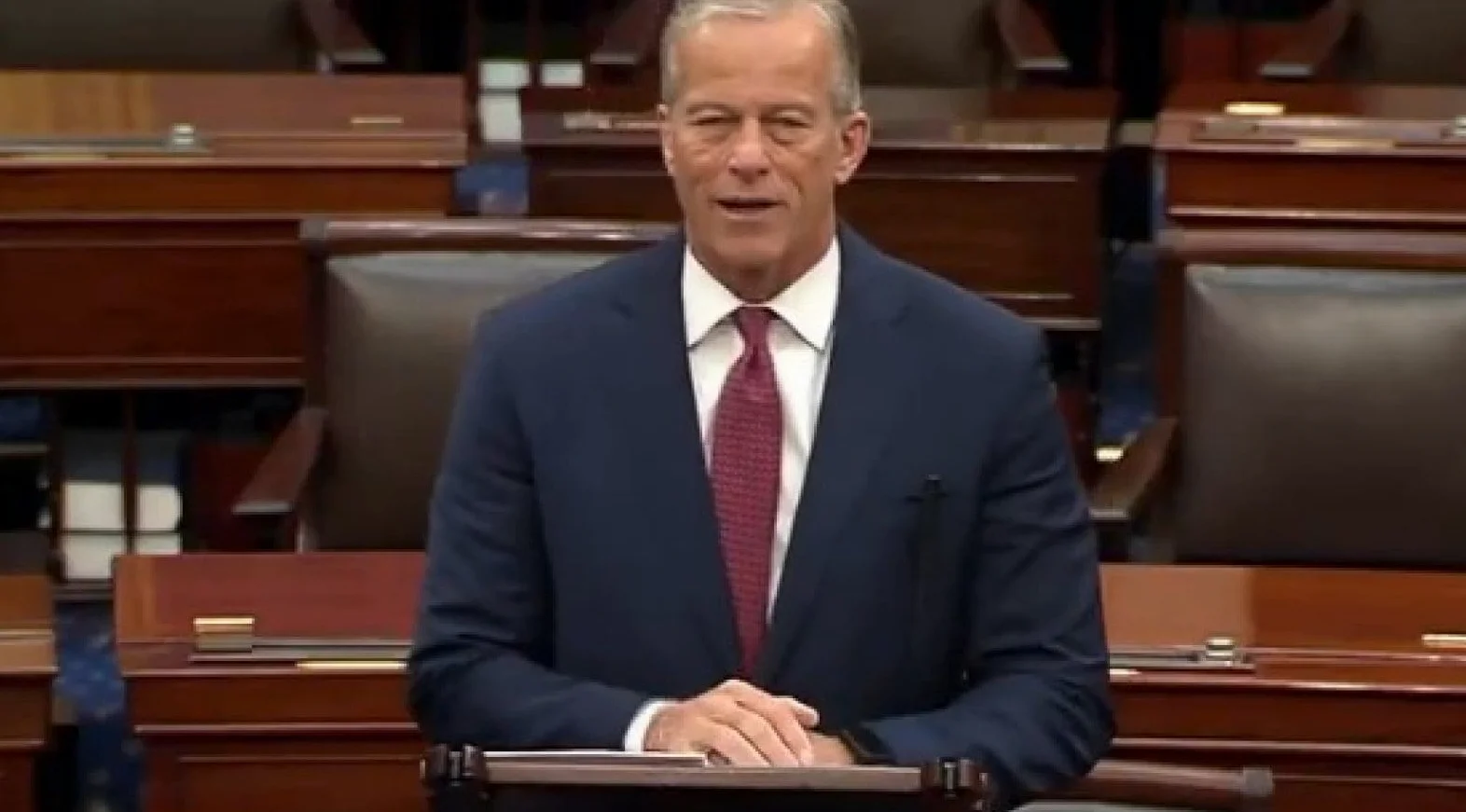
According to Hoft, Republican Senate Leader John Thune is blocking Trump’s recess appointments by holding minimal pro forma sessions during Senate recesses. These sessions, lasting only a few minutes, are used to prevent Trump from filling vacancies in key federal agencies without Senate approval.
Thune has been accused of using these sessions to maintain control over the legislative process, effectively limiting the president’s ability to act during periods when the Senate is not in session. This approach has been described as a rare and unprecedented move in U.S. history.
Trump, who has been a vocal advocate for expanding the MAGA movement, has previously criticized the Senate for what he views as obstruction of his agenda. The current situation, according to Hoft, is an extension of that conflict.
Senate Vacancies and Political Implications
The Senate is currently facing a crisis with 62 of 93 U.S. Attorneys’ positions left vacant, according to Hoft. This shortage has raised concerns about the ability of the federal government to enforce laws and conduct investigations effectively.
“The GOP Senate hates America, freedom, free and fair elections, MAGA, and President Trump,” Hoft wrote in a recent post. He further claimed that the actions of the Senate could lead to the country becoming a communist nation if the situation is not corrected by the 2026 primaries.
Thune has not publicly commented on these allegations, but his actions have drawn criticism from both within and outside the Republican Party. Some lawmakers have expressed concern that the current approach could undermine the functioning of the federal government.
According to Hoft, the Save America Act, which aims to address issues related to election integrity and national security, has not yet been passed. Instead, the Senate has chosen to send members on vacation, despite the Department of Homeland Security being defunded and the bill sitting on Thune’s desk.
What’s Next for Trump and the Senate
Analysts are closely watching the situation as it could have significant implications for the upcoming 2024 election and the future of the Trump administration. The Senate’s current stance may affect how the executive branch operates, particularly in areas such as law enforcement and regulatory oversight.
“Think about that,” Hoft wrote, referring to the fact that Trump is the only president in history to have his recess appointments blocked by his own party. “They hold 2-minute pro forma sessions every few days during vacations to block his recess appointments.”
With the 2026 primaries approaching, the pressure on the Senate to address the current vacancies and legislative delays may increase. Lawmakers may be forced to reconsider their approach, especially as the need for functional federal agencies becomes more apparent.
Meanwhile, Trump continues to push for a stronger MAGA presence in the political landscape. His supporters argue that the Senate’s actions are a direct attack on the will of the people and the principles of free and fair elections.
As the situation unfolds, the balance of power between the executive and legislative branches remains a critical issue for the American public. The outcome of this political standoff could have lasting effects on the governance of the United States.





Comments
No comments yet
Be the first to share your thoughts