

 Reuters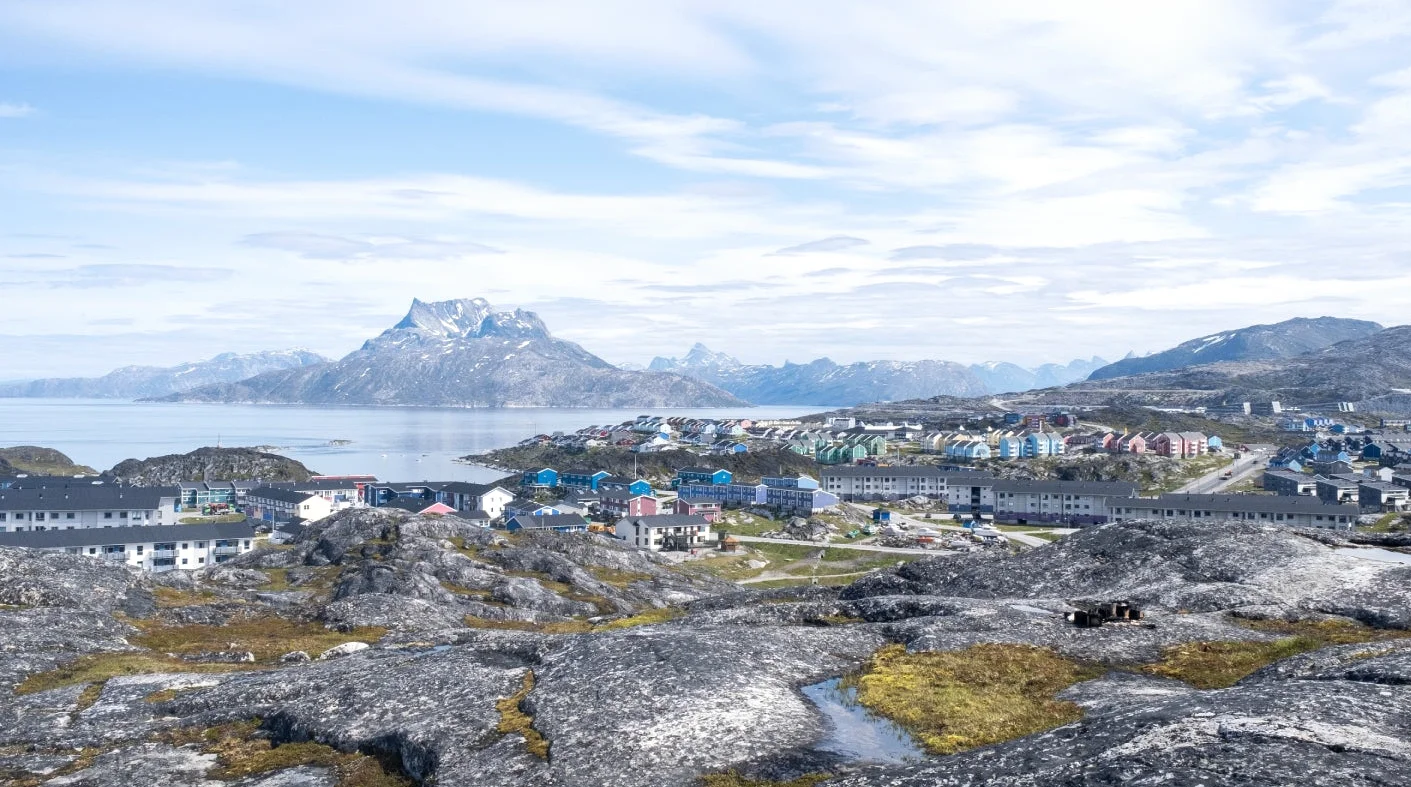
Greenland’s government is moving swiftly to implement a new foreign investment screening law, a measure directly linked to a sharp increase in property inquiries from American buyers in Nuuk during early 2025. The development comes amid renewed U.S. interest in the Arctic region and has prompted Greenland’s leaders to tighten control over foreign capital flows.
Surge in American Interest Sparks Legislative Action
According to insiders familiar with the situation, local real estate agencies and legal firms in Greenland’s capital have seen an unusual spike in inquiries from U.S. investors. This surge coincided with U.S. President Donald Trump’s renewed efforts to assert influence over Arctic territories, including Greenland.
In response, Greenland’s government introduced tighter restrictions on foreign property purchases by February 2025, aiming to prevent a worsening housing shortage in Nuuk, the capital. The move signals a strategic shift in how Greenland manages its economic relationships, particularly with the U.S.
The proposed legislation, formally submitted to Greenland’s parliament in October 2024, was originally drafted to address concerns about Chinese investment. However, recent developments have shifted its focus toward managing the growing interest from American investors.
Legislative Framework Focuses on National Security
The draft law requires foreign investors to disclose the source of their funds and grants authorities the power to block transactions if they are deemed to pose a risk to national security or public order. Sectors identified as sensitive—such as mining, hydropower, critical infrastructure, IT, classified data systems, and government-owned companies—would be subject to mandatory screening.
While the legislation does not explicitly target any specific countries, it emphasizes cooperation with allies and provides Greenland with the authority to reject investments that could threaten its sovereignty or stability. The law would apply to investments within Greenland’s jurisdiction but would not cover U.S. military activities on the island, which remain under Danish control.
Greenland has long sought foreign investment to diversify its economy, particularly through mining and natural resource projects. However, growth has been limited by inadequate infrastructure and labor shortages. Despite these challenges, Business Minister Naaja Nathanielsen stated that the new law was not solely a reaction to U.S. interest, and that Greenland remains open to responsible investment from all nations.
Nathanielsen emphasized that the government’s priority is to ensure that foreign investments do not compromise Greenland’s autonomy or national security. ‘This law is about protecting our interests, not rejecting foreign capital,’ she said in a recent statement.
Ongoing Diplomatic Tensions and Future Implications
Ongoing negotiations between Greenlandic officials and the U.S. regarding access and presence on the island continue. The U.S. has historically maintained a military presence in the region through Denmark, and the new law may influence future discussions about the role of foreign powers in Greenland’s affairs.
Analysts suggest that the law could have broader implications for international relations in the Arctic. With climate change accelerating resource extraction and geopolitical competition intensifying, Greenland’s position as a strategic player is becoming increasingly significant.
According to a report by the Arctic Institute, the number of U.S. real estate inquiries in Greenland increased by 40% between January and March 2025, compared to the previous year. This rise has been attributed to a combination of factors, including geopolitical interests and the potential for long-term investment in Arctic resources.
Greenland’s foreign investment law is expected to be debated in parliament by mid-2025, with a potential vote on final approval by the end of the year. If passed, the law would mark a significant step in Greenland’s efforts to assert greater control over its economic and strategic future.
The move reflects a broader trend among Arctic nations to balance economic development with national security concerns. As Greenland continues to handle its complex relationship with Denmark and the U.S., the new law may shape its path toward greater independence and economic self-sufficiency.





Comments
No comments yet
Be the first to share your thoughts