

 Wall Street Journal
President Donald Trump’s recent announcement that a U.S. hospital ship is on its way to Greenland has sparked confusion and concern among residents of the self-governing Danish territory. The proposal, which originated from a Greenlandic bricklayer, has reignited debates over U.S. involvement in Greenland’s affairs and the viability of such a move for the island’s healthcare system.
Origins of the Hospital Ship Proposal
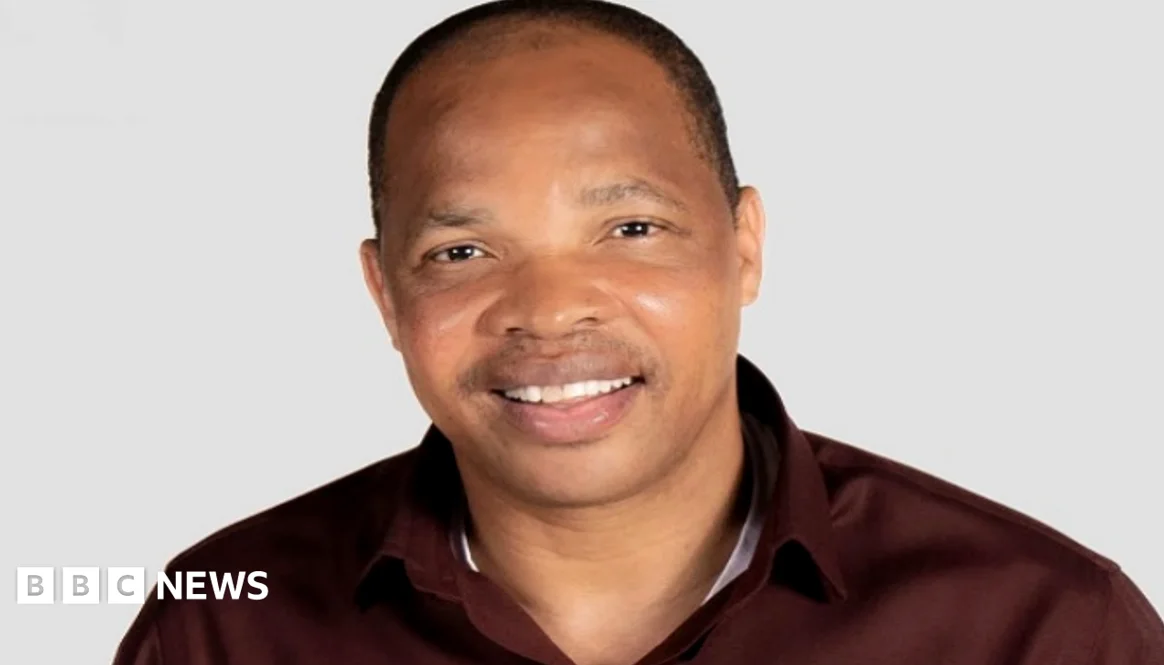
Jørgen Boassen, a 52-year-old Greenlandic bricklayer, is at the center of the proposal. Last year, he helped organize a visit to Greenland by Donald Trump Jr., and it was during a recent stay at the home of Jeff Landry, Louisiana’s governor and Trump’s appointed Greenland envoy, that the idea was first raised.
During a cultural exchange event in Louisiana last week, Landry reportedly asked Boassen what the U.S. could do for Greenland. Boassen, who has become a controversial figure for his pro-Trump views, said he mentioned the deteriorating healthcare system and the difficulty in accessing medical care in remote areas. He did not specifically request a hospital ship, but said any help would be appreciated.
Landry, in an interview with the Wall Street Journal, stated that he then raised the issue with Trump during a White House dinner on Saturday. According to Landry, the president responded positively, saying, ‘Well, let’s get it.’
U.S. Military Response and Greenland’s Healthcare Challenges
Despite Trump’s announcement, the U.S. military has not received any orders to deploy one of its two hospital ships, the USNS Comfort or USNS Mercy. Both are currently undergoing maintenance in Mobile, Alabama, and officials have confirmed no plans to send them to Greenland.
Greenland’s healthcare system, while benefiting from Denmark’s universal healthcare, faces unique challenges due to the island’s vast and remote geography. The infant mortality rate in Greenland is three times higher than in Denmark, and the average life expectancy is 10 years lower. The main issues include a shortage of medical staff and infrastructure, particularly in remote settlements.
Greenland’s Health Minister Anna Wangenheim called Trump’s announcement an act of psychological warfare. ‘We are all affected when our loved ones are forced to travel far from home to receive the appropriate treatment. It is disrespectful to use this against us,’ she said.
Expert Opinions and Practical Concerns
Healthcare experts in Greenland have expressed skepticism about the effectiveness of sending a U.S. hospital ship. Kjeld Møller Pedersen, head of Greenland’s Health Care Council, stated that a hospital ship would not solve the island’s healthcare problems. ‘A hospital ship won’t solve anything. On the contrary, it could make matters worse,’ he said.
Pedersen explained that a U.S. hospital ship could present legal and logistical challenges, such as issues with patient records and medication availability in Greenland. He also noted that the ship would not be able to dock in most remote settlements, particularly in winter.
Greenland’s healthcare system has been working on improving access to care, with Copenhagen and Nuuk signing an agreement last year to address healthcare disparities. The agreement includes extra funding for treating Greenlandic patients in Denmark.
In a comparison with the U.S., Greenland has more than three times as many hospital beds per capita as Louisiana, which was named the unhealthiest state in the U.S. in 2025. Louisiana faces a projected shortfall of 5,000 doctors by 2030, according to the Cicero Institute.
Landry has stated that he will not consult with Nuuk or Copenhagen on the hospital ship proposal, preferring to work directly with the U.S. military. ‘I’m just going to work with the military,’ he said.
Trump’s renewed interest in Greenland has raised concerns among residents about his long-standing ambitions for the island, which he has previously claimed the U.S. should acquire for national security reasons.
As the situation unfolds, the impact of Trump’s proposal on Greenland’s healthcare system and its relationship with the U.S. remains uncertain. The island’s leaders and healthcare officials continue to emphasize the need for solutions that address the unique challenges of providing medical care in such a remote and geographically difficult environment.





Comments
No comments yet
Be the first to share your thoughts