

Gulf states are increasing their investments in artificial intelligence with the hope of securing U.S. military and strategic support, according to experts and officials. As the United States seeks to establish dominance in the global AI race, Gulf nations are positioning themselves as key partners to major U.S. tech firms like Google, Microsoft, and OpenAI, in a bid to secure long-term security guarantees from Washington.
AI as a Geopolitical Insurance Policy
Steven A. Cook, a senior fellow at the Council on Foreign Relations, described AI as “the mother of all insurance policies” in a geopolitical context. This perspective highlights the growing belief in the Gulf that aligning with the U.S. tech sector could serve as a strategic hedge against regional threats, particularly from Iran.
Gulf states have made multibillion-dollar technology investments in recent years, primarily as part of their economic diversification efforts. However, some analysts now believe these investments may have a secondary, strategic purpose: to secure U.S. military and political backing.
“These investments are not just about economic diversification—they also serve as a means of building strategic partnerships with the United States,” said one anonymous Gulf official, who requested anonymity due to the sensitivity of the issue.
Security Alliances and AI Investments
Qatar secured a non-binding security guarantee from the U.S. following an Iranian attack on Doha in June 2025. Similarly, Saudi Arabia signed a strategic defense agreement with the White House in 2024, though these agreements were largely the result of traditional diplomatic lobbying rather than direct technology investment pledges.
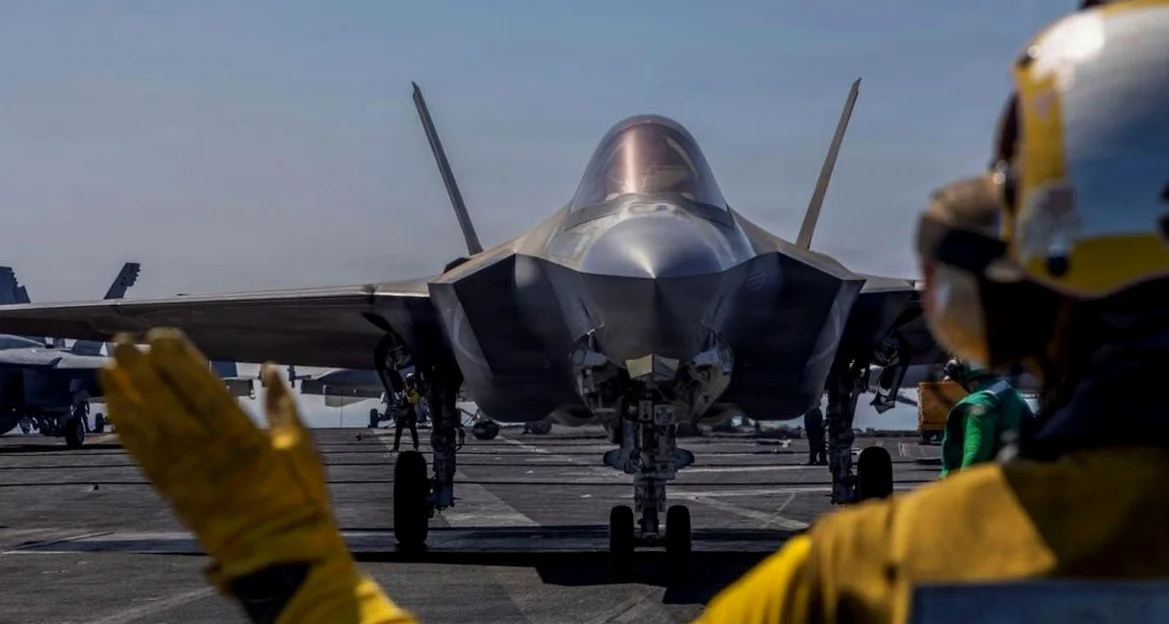
Despite this, Gulf leaders are now exploring the potential of AI as a new tool for securing U.S. support. The timing of these moves coincides with a significant buildup of U.S. military forces in the Middle East, as the administration seeks to counter Iranian influence and maintain stability in the region.
According to reports, Gulf states have been increasing their investments in AI research and development, with some estimates suggesting that the Gulf Cooperation Council (GCC) could spend over $20 billion on AI infrastructure and partnerships in the next five years.
“The Gulf is trying to use its growing tech presence to build closer ties with the U.S. military and intelligence community,” said one U.S. defense analyst, who spoke on condition of anonymity.
Unproven Strategy, Uncertain Results
However, the effectiveness of this strategy remains untested. While the U.S. has historically provided security guarantees to Gulf states in exchange for access to regional resources, it is unclear whether AI investments will be viewed as a sufficient incentive for Washington to offer stronger military backing.
President Donald Trump, who is expected to make a major move on Iran policy soon, could influence the trajectory of these negotiations. His administration has previously taken a more transactional approach to U.S. foreign policy, focusing on economic and strategic benefits rather than long-term security commitments.
“There is a risk that the U.S. may not see AI investments as a substitute for traditional security guarantees, especially in a region where military threats are still very real,” said a Gulf policy expert at a think tank in Dubai.
Despite these uncertainties, Gulf states are continuing to invest in AI, believing that their growing technological capabilities will eventually translate into stronger strategic ties with the United States. The coming months will be crucial in determining whether this strategy pays off.
With the U.S. government preparing to announce a new national AI strategy in the next few weeks, Gulf leaders are watching closely to see whether their investments will be recognized as a key component of Washington’s broader geopolitical vision.






Comments
No comments yet
Be the first to share your thoughts