

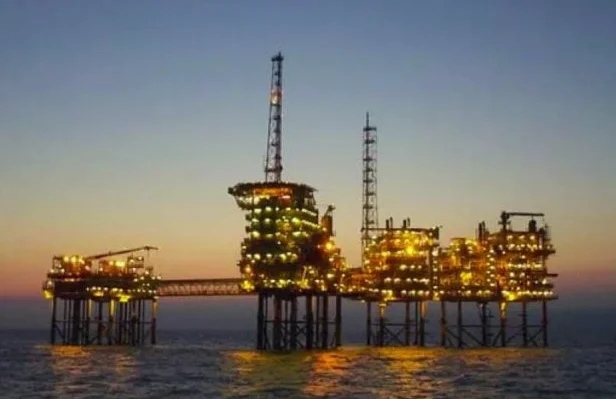
PORT OF SPAIN — ExxonMobil and Chevron executives voiced strong support for Guyana’s oil and gas expansion at the fifth Guyana Energy Conference and Supply Chain Expo this week. Guyana’s Natural Resources Minister Vickram Bharrat welcomed the commitments, pointing to rapid production gains and local economic boosts.
Alistair Routledge, president of ExxonMobil Guyana, detailed the company’s investments in the local economy. He said ExxonMobil has spent $3.6 billion on employing Guyanese workers and buying services from local firms. Those funds have created thousands of jobs and strengthened supply chains since operations ramped up.
Chevron’s Chief Executive Officer Mike Wirth also addressed the conference. According to the Ministry of Natural Resources, Wirth reaffirmed Chevron’s dedication to partnering with Guyana, especially in the Stabroek Block. Chevron holds a 30% stake there alongside ExxonMobil as operator and Hess Corporation.
Bharrat laid out the sector’s explosive growth. He noted daily oil production jumped from 120,000 barrels in 2020 to more than 900,000 barrels by 2025. That surge has transformed Guyana into a key player in low-cost, low-emission oil, he said. Officials expect the pace to continue, delivering wider benefits to citizens.
The Stabroek Block has driven much of the success. Discoveries there total more than 11 billion barrels of recoverable oil equivalent. ExxonMobil operates the block with a 45% interest. Production from startups like Liza Phase 1, Liza Phase 2, Payara and Yellowtail has fueled the rise.
Guyana’s government stresses strong oversight. Laws cover local content requirements, revenue management and environmental protections, ministry officials said. These rules ensure oil wealth spreads benefits across the population and region. The ministry issued a statement committing to collaboration with all partners for inclusive gains.
Routledge emphasized responsible resource use during his remarks. He said ExxonMobil aims to harness Guyana’s reserves for current and future generations. Chevron echoed that approach, with Wirth stressing joint efforts on sustainability.
The conference drew energy leaders, policymakers and businesses from across the Caribbean and beyond. Discussions focused on supply chains, technology and green practices. Guyana’s oil boom has reshaped its economy, with petroleum now accounting for the bulk of exports. Last year alone, the sector generated billions in revenue.
Bharrat told attendees the momentum shows no signs of slowing. New projects like Uaru and Whiptail will push output toward 1.3 million barrels per day by 2027, he projected. Those developments promise more contracts for local firms and training programs for workers.
Challenges remain. Officials face pressure to balance growth with environmental safeguards and equitable wealth distribution. The ministry said partnerships like those with ExxonMobil and Chevron help address those issues head-on.
Guyana discovered commercial oil in 2015, igniting one of the world’s fastest energy buildouts. Five floating production vessels now operate offshore. The government has funneled oil revenues into infrastructure, health and education through its sovereign wealth fund.





Comments
No comments yet
Be the first to share your thoughts