

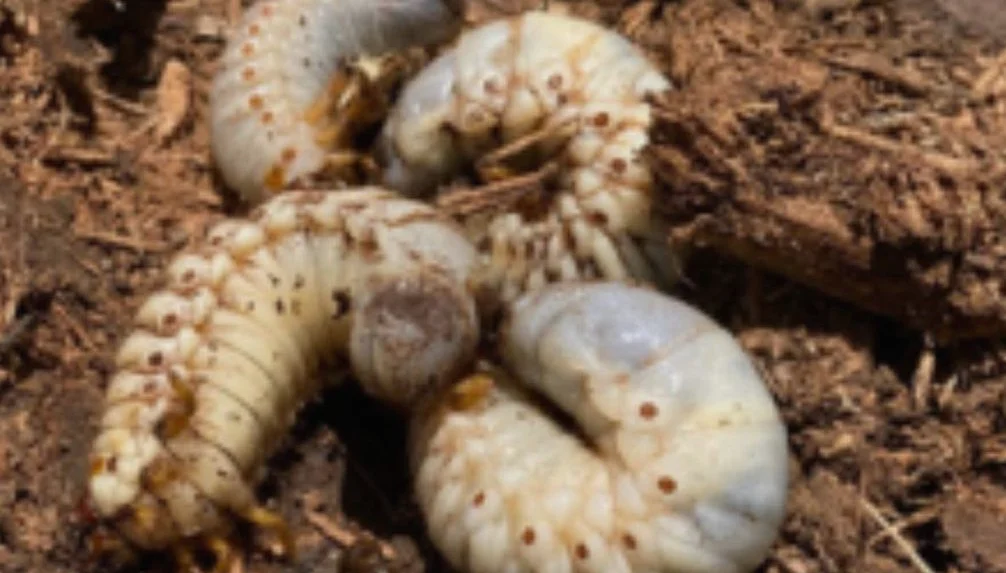
Hawaiʻi County officials renewed the voluntary order on Friday, urging residents and businesses in affected West Hawaiʻi zones to halt transport of potential host materials for the coconut rhinoceros beetle. The extension comes as the Hawaiʻi Department of Agriculture and Biosecurity staff work on interim rules for the Big Island.
The beetle, an invasive species that has ravaged palms and crops elsewhere in the state, threatens coconut trees and other palms primarily. It also attacks ʻulu, banana and kalo when palm supplies dwindle. Host materials—such as fronds, trunks and debris from infested palms—can harbor eggs, larvae or adult beetles. Transporting them risks expanding the infestation beyond current boundaries and undermining control efforts.
“Coconut rhinoceros beetle is a destructive invasive species that already has had a huge impact in other parts of the state,” Hawaiʻi County Mayor Kimo Alameda said. “By following best management practices and containing host materials, we can all do our part to stop the spread and protect our island.”
Prohibited items include any plant debris from palms or related host plants within the compliance zone. Instead, locals should deliver green waste to designated disposal sites inside the area. Those facilities use high-heat composting—reaching at least 131 degrees Fahrenheit—to eliminate beetle larvae.
The order applies to specific West Hawaiʻi regions where beetles have been detected. It took effect in June 2025 and now runs until April 30. County officials hope the voluntary approach, paired with upcoming state rules, will contain the threat without mandatory enforcement.
For guidance on handling materials or more details, contact Economic Development Specialist Glenn Sako at 808-961-8811. He can advise on safe practices to avoid accidental spread.
The coconut rhinoceros beetle arrived in Hawaiʻi years ago and has since damaged urban and agricultural landscapes. Eradication traps and injections have slowed its advance in some spots, but movement restrictions remain a key tool. West Hawaiʻi detections prompted the initial order last summer, with officials monitoring for new hotspots.






Comments
No comments yet
Be the first to share your thoughts