

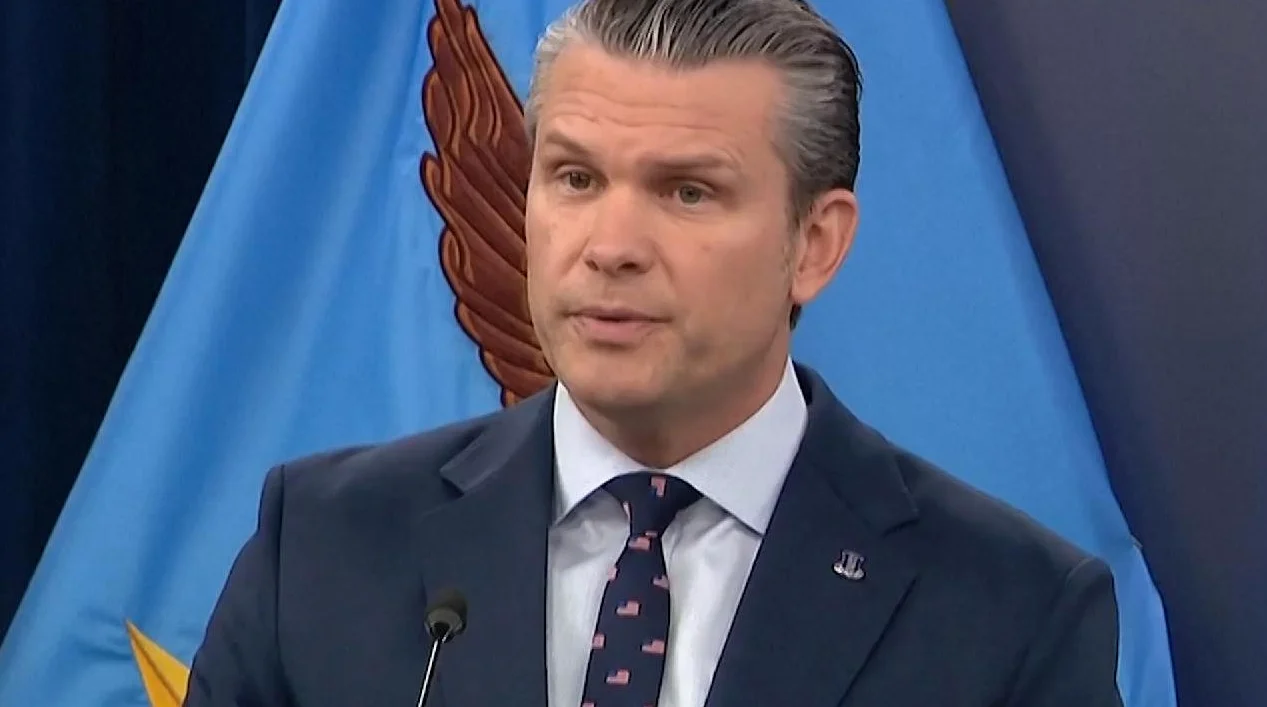
U.S. Secretary of Defense Pete Hegseth intensified his rhetoric against Iran’s new leadership on March 13, calling the country’s ruling elite ‘rats’ and accusing them of hiding while the nation’s leader, Mojtaba Khamenei, allegedly sustained injuries. Hegseth’s remarks, made during a press briefing, marked a sharp escalation in U.S.-Iran tensions, coming just days after Khamenei was officially named Iran’s new supreme leader.
Iran Confirms Light Injuries to Supreme Leader
Iranian officials confirmed that Supreme Leader Mojtaba Khamenei had sustained ‘light injuries’ but remained active in his duties. The injuries reportedly occurred during an unspecified incident, though details have not been officially disclosed. State media reported that Khamenei was receiving treatment and was expected to continue his leadership role without interruption. The Iranian government has not confirmed the nature or cause of the injuries, but the lack of transparency has fueled speculation and concern both domestically and internationally.
Hegseth’s comments were made in the context of ongoing U.S.-Iran tensions, which have persisted despite a temporary ceasefire in the region. The U.S. has been increasing its military presence in the Middle East, and recent reports suggest that American forces have been conducting more frequent surveillance and reconnaissance missions near Iran’s borders. Hegseth, who has been known for his confrontational rhetoric, used the opportunity to amplify criticism of Iran’s leadership, calling them ‘rats’ and suggesting they were hiding from the public and the international community.
‘The leadership in Iran is hiding and cowering like rats,’ Hegseth said. ‘They are not leading their people, they are running from their responsibilities and their country is suffering because of it.’ His comments were met with immediate condemnation from Iranian state media, which called the remarks ‘outrageous and disrespectful.’
Escalating Tensions in the Middle East
The U.S. and Iran have had a tense relationship for decades, marked by diplomatic standoffs, sanctions, and occasional military confrontations. The current situation comes amid a broader regional power struggle, with both countries vying for influence in the Middle East. The U.S. has been increasing its military presence in the region, while Iran continues to expand its influence through proxy groups and military alliances.
Analysts say Hegseth’s comments are part of a broader pattern of hardline rhetoric from the Trump administration, which has been accused of stoking tensions in the region. ‘This kind of language is not new, but it does raise the risk of miscalculation,’ said Dr. Sarah Mitchell, a Middle East analyst at the Institute for Strategic Studies. ‘When leaders use such aggressive rhetoric, it can lead to unintended consequences, especially in a volatile region like the Middle East.’
The U.S. has not officially confirmed any direct link between Hegseth’s comments and the alleged injuries to Khamenei, but the timing of the remarks has raised questions about whether they are an attempt to provoke or undermine Iran’s new leadership. The U.S. State Department has not commented on Hegseth’s statements, but officials have previously warned Iran against any actions that could destabilize the region.
Iranian officials have not directly addressed Hegseth’s comments, but state media has been highlighting the country’s resilience and the leadership’s commitment to stability. ‘Iran is a strong and sovereign nation, and its leadership is fully capable of managing the challenges it faces,’ said a statement from the Iranian Foreign Ministry.
What’s Next in U.S.-Iran Relations
The U.S. and Iran are currently engaged in a complex diplomatic and military standoff, with both sides showing little willingness to de-escalate tensions. The U.S. has been increasing its military presence in the region, and recent reports suggest that American forces have been conducting more frequent surveillance and reconnaissance missions near Iran’s borders.
Experts say the situation is likely to remain tense in the coming months, with both countries unlikely to make any major concessions. ‘There is no indication that either side is ready to take a step back,’ said Dr. Mitchell. ‘The U.S. is focused on maintaining its military presence in the region, while Iran is determined to assert its influence and protect its interests.’
The next major development could come in the form of a new round of U.S. sanctions or a renewed push for diplomatic talks. The U.S. has been considering a range of options, including new sanctions on Iranian officials and increased military support for regional allies. Iran, meanwhile, has been strengthening its military ties with Russia and China, which have been increasing their presence in the region.
The situation is also likely to be influenced by developments in the broader Middle East, including the ongoing conflict in Syria and the situation in Israel. Both the U.S. and Iran have significant interests in the region, and any escalation could have far-reaching consequences.
For ordinary people in the region, the ongoing tensions could have real-world implications, including increased military activity, economic instability, and a heightened risk of conflict. The situation remains highly unpredictable, with both sides showing little willingness to de-escalate tensions.


Comments
No comments yet
Be the first to share your thoughts