

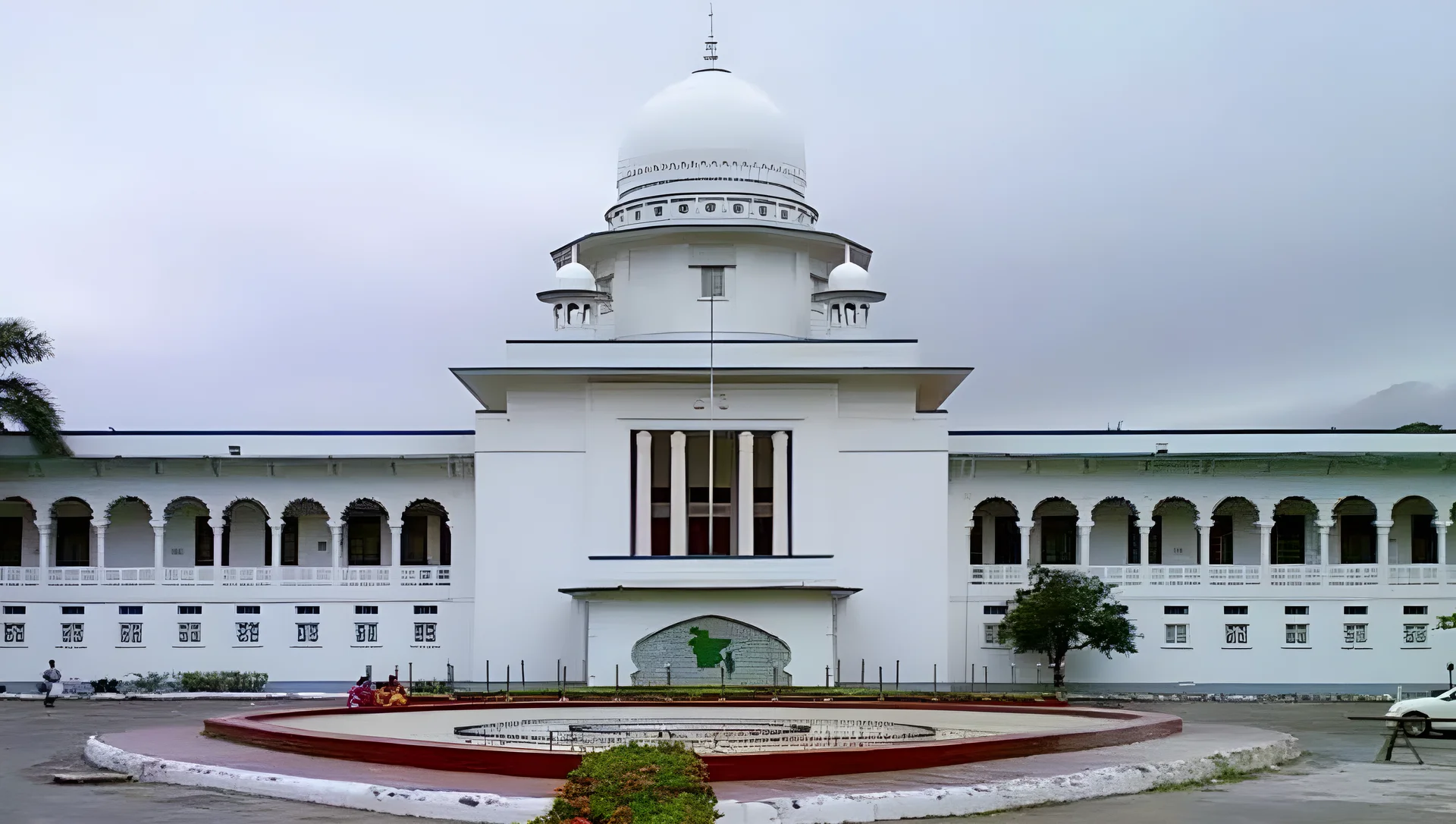
The High Court Election Tribunal has ordered the seizure of all ballot papers, result sheets, and related documents from four parliamentary constituencies in Bangladesh following complaints of election irregularities. The move comes as defeated candidates from the Bangladesh National Party (BNP) and Jamaat-e-Islami have raised concerns over alleged rigging in recent polls.
Impact on Electoral Transparency
The directive covers Dhaka-6, Dhaka-7, and Gaibandha-4, where BNP candidates won, as well as Sherpur-1, which was won by a Jamaat-e-Islami candidate. The orders were issued in response to petitions filed by defeated candidates seeking a recount of votes. Justice Md Zakir Hossain issued the orders, emphasizing the need for transparency in the electoral process.
According to the High Court’s directive, all election-related documents from these four constituencies are to be seized and examined to determine the validity of the results. This is a significant step in addressing allegations of malpractice and ensuring the integrity of the electoral system in Bangladesh.
Legal Context and Previous Precedents
The Election Tribunal was established by the Supreme Court on February 19 to handle election-related grievances and ensure transparency in the electoral process. This marks the first time the tribunal has been invoked to investigate such allegations in the current electoral cycle.
Similar actions were taken in the past, notably in the 2014 and 2018 elections, when the Supreme Court ordered recounts and investigations into allegations of vote rigging. However, this case is unique due to the involvement of both the BNP and Jamaat-e-Islami, two major political parties with differing political agendas.
According to legal experts, the seizure of documents is a critical measure to uncover any discrepancies in the election results. It could lead to the annulment of results in the affected constituencies if evidence of fraud is found.
Political Implications and What’s Next
The move has significant political implications, as it highlights the ongoing tensions between the ruling Awami League and the opposition parties. The BNP and Jamaat-e-Islami have long accused the government of manipulating election outcomes, and this decision could further polarize the political landscape.
Officials said the Election Commission will conduct a thorough review of the seized documents within the next 30 days. If any irregularities are found, the tribunal may order a new election in the affected constituencies, which could delay the formation of the next government.
The High Court’s order has been welcomed by civil society organizations and opposition groups, who have called for greater transparency in the electoral process. However, some analysts warn that the decision could be perceived as politically motivated, depending on the findings of the tribunal.
Justice Md Zakir Hossain emphasized that the tribunal will act impartially and in accordance with the law. ‘Our primary objective is to ensure the integrity of the electoral process and uphold the will of the voters,’ he said in a statement.
With the upcoming deadline for the tribunal’s findings, the political stakes are high. If the tribunal confirms the allegations of rigging, it could trigger a wave of legal challenges and further destabilize the political environment in Bangladesh.






Comments
No comments yet
Be the first to share your thoughts