

 Bloomberg News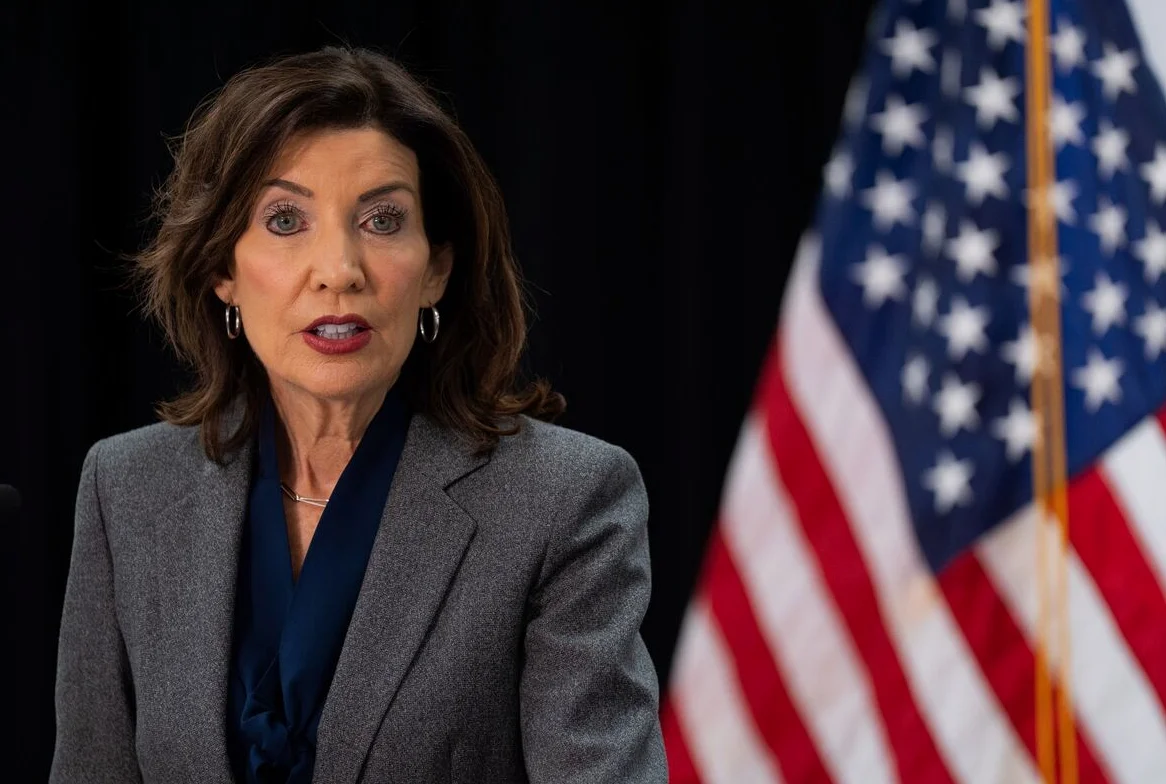
New York Governor Kathy Hochul has proposed significant changes to the state’s 2019 Climate Leadership and Community Protection Act (CLCPA), one of the most ambitious climate policies in the United States. In a statement released Friday, Hochul described the law’s current emission reduction targets as ‘costly and unattainable,’ emphasizing the need to ‘protect New Yorkers’ pocketbooks and economy.’
Impact on Emissions and Energy Costs
The CLCPA requires a 40% reduction in greenhouse gas emissions from 1990 levels by 2030 and an 85% cut by 2050. As of 2023, New York State had achieved a 14% reduction in emissions. However, Hochul argues that meeting the 2030 deadline would lead to a sharp increase in energy bills for residents. As of November 2023, the average residential electricity price in New York was 26.5 cents per kilowatt-hour, ranking eighth highest in the country, according to the Empire Center, a nonprofit think tank in Albany.
The governor’s proposal includes delaying the implementation of regulations required by the CLCPA and adopting a different method for accounting for greenhouse gas emissions. These changes would effectively weaken the law’s strict targets. Hochul, who is running for reelection this year, plans to advance her proposal through the state budget, which is due by April 1. The proposal is expected to face resistance from some Democratic lawmakers.
Political and Environmental Implications
Environmentalists and climate advocates have expressed concern over the potential rollback of the CLCPA. Michael Gerrard, a Columbia University law professor and director of the Sabin Center for Climate Change Law, said that if New York, a state often seen as a leader in climate action, moves backwards, it sends a ‘negative sign for the country.’
‘If you can’t do it here, can you do it anywhere?’ Gerrard said. He emphasized that the CLCPA has drawn attention from around the world, and a retreat from its goals could undermine efforts to combat climate change at the state level.
Democratic lawmakers, including State Senator Pete Harckham, who chairs the environmental conservation committee, have urged Hochul not to delay action. In a letter earlier this month, Harckham and other lawmakers warned that New York must reject ‘a new wave of climate denial’ and instead push for bold policies that would save money and reduce pollution.
Business Groups and Economic Concerns
Business groups and some Republican lawmakers in Albany have also raised concerns about the economic impact of the CLCPA. State Senator Tom O’Mara has argued that the law’s current deadlines are not feasible and that the law should be amended to reflect ‘economic realities.’
The Business Council, representing New York companies, stated last month that the CLCPA’s deadlines are ‘proving unachievable.’ The group has lobbied for modifications to the law to ease the financial burden on businesses and residents.
In 2025, environmental groups sued Hochul’s administration after the state failed to enact a regulatory program for the CLCPA. A judge ruled in favor of the environmental groups in October, putting pressure on Hochul to implement a cap-and-invest program that would generate revenue for the state’s transition to renewable energy.
A memo released in February by the New York State Energy Research and Development Authority concluded that implementing the CLCPA as written would lead to a significant increase in energy costs for residents. The memo modeled a scenario where the CLCPA was ‘implemented with regulations to meet the 2030 targets’ and found that upstate New York households relying on oil and natural gas could see annual energy costs exceeding $4,000.
Despite these concerns, many Democrats and environmental advocates argue that the narrative that climate policy is increasing costs is misleading. Harckham stated that the solution to improving affordability and lowering emissions is clear: ‘It’s renewable energy.’
‘We set a law for ourselves,’ he added. ‘We should be held accountable to it.’
Rachel Spector, deputy managing attorney at Earthjustice, emphasized the need for immediate regulatory action to implement the CLCPA. ‘What we are focused on is making sure that there isn’t a continued delay to act,’ she said. ‘The state has to issue regulations that implement the law.’
The proposed changes to the CLCPA come at a time when the federal government, under the Trump administration, has rolled back many climate regulations and clean energy incentives. Environmentalists have looked to states like New York to fill the gap, but Hochul’s proposal could signal a shift in priorities.
As the debate over the CLCPA continues, the state legislature faces a critical decision on whether to accept the governor’s revisions or push for full implementation of the law. With the budget deadline approaching, the outcome could have significant implications for New York’s climate policy and its role in the national fight against climate change.






Comments
No comments yet
Be the first to share your thoughts