

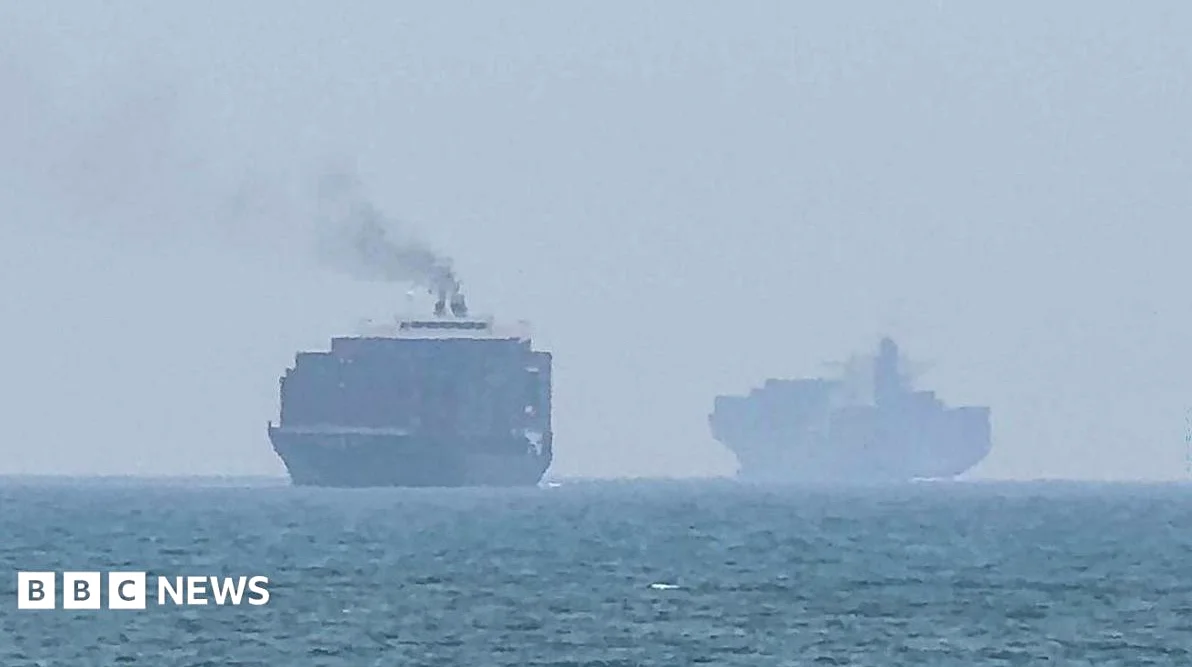
Oman has presented a proposal for joint management of the Strait of Hormuz through ‘voluntary fees,’ according to a report, while Iran warns such a deal would not open the key shipping route. U.S. President Donald Trump said on Tuesday that it was a ‘good time for Iran to make a deal,’ but warned the U.S. would ‘go back and finish the job’ if no agreement was reached.
Hormuz Talks and Regional Security
The Strait of Hormuz, a central global energy chokepoint, has been a focal point of regional tensions, as Recent developments suggest that diplomatic efforts are underway to stabilize the area. According to a source, Iran has been involved in recent discussions and expressed ‘extreme happiness’ with the work being done by Defense Secretary Pete Hegseth.
Meanwhile, the Strait has also become a battleground for Yemen’s civil war — Iran-backed Houthi rebels launched missile and drone attacks on Thursday, killing at least 58 Saudi-backed Yemeni government forces, a military source reported. This marked one of the deadliest days in the war in four years.
Regional Alliances and Defense Agreements
As tensions escalate, Saudi Arabia, Turkey, and Pakistan are set to sign a joint defense agreement in Jeddah on Friday, according to Saudi sources; this move reflects a growing desire among Muslim-majority nations to strengthen security ties amid the volatile regional climate.
The Houthi military spokesman, Yahya Saree, stated that the attacks were in response to an alleged military buildup backed by Saudi Arabia; a military official confirmed that the attacks were the worst in Yemen since 2022, with medical sources initially reporting 38 deaths, later revised to 58. The Yemeni defense ministry vowed to respond to the attacks ‘at the appropriate place and time.’
Energy Markets and Geopolitical Tensions
The geopolitical tensions have had a direct impact on energy markets, West Texas Intermediate (WTI) Oil extended its decline on Tuesday, trading around $77.90, down nearly 4% on the day, according to TMGM trading. This follows a 9% drop the previous day after a pause in attacks between the U.S. and Iran.
Easing hostilities have raised hopes that security risks around the Strait of Hormuz could ease, prompting traders to unwind part of the geopolitical premium built into oil prices. However, despite diplomatic efforts, the pullback could prove short-lived as tensions continue to simmer in the region.





Comments
No comments yet
Be the first to share your thoughts