

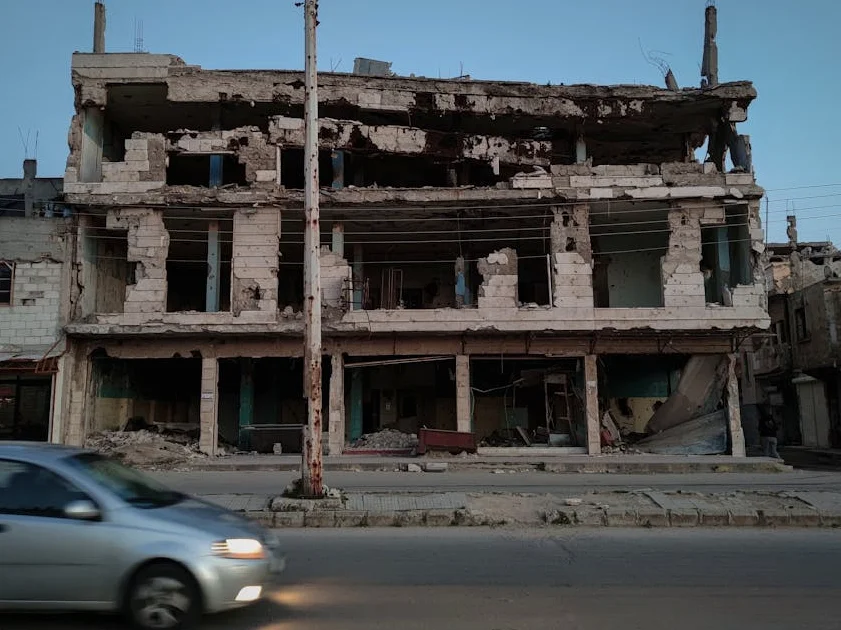
The involvement of the Houthis in the ongoing conflict involving Iran has raised significant regional and global concerns. According to The Guardian and Al Jazeera, the group’s participation in the war has introduced new dynamics, affecting both the trajectory of the conflict and the broader geopolitical landscape.
Regional Impact and Local Reactions
The Houthis. A Yemeni group. Have historically been aligned with Iran, but their direct involvement in the current conflict has sparked mixed reactions across the region — In Yemen, local communities have expressed both fear and hope. A local resident in Sana’a told Al Jazeera, ‘We are scared, but we hope this involvement will bring peace.’ However, others are skeptical, fearing further instability.
Meanwhile, in Saudi Arabia, the government has condemned the Houthis’ actions, warning of potential retaliation. The Saudi Ministry of Foreign Affairs stated that the group’s involvement could lead to a broader regional conflict. This sentiment is echoed by Gulf Cooperation Council (GCC) nations, which have called for a de-escalation of tensions.
Non-English sources often highlight local reactions that English media may overlook. In a recent report. Al Jazeera covered the growing anxiety among Yemeni citizens regarding the potential for increased violence and displacement. ‘Every day is a struggle,’ said a mother in Aden, ‘but we are hoping for a peaceful resolution.’.
International Reactions and Diplomatic Efforts
International reactions to the Houthis’ involvement have varied. The United States has expressed concern over the potential for escalation, with officials warning of the risks posed by the group’s actions. According to The Guardian, a U.S. State Department spokesperson stated, ‘The involvement of the Houthis in this conflict could destabilize the region further and threaten global energy security.’
Conversely, some European countries have called for dialogue and diplomatic solutions. The European Union has urged all parties to engage in talks to prevent further conflict. France’s foreign minister emphasized the need for ‘diplomatic engagement rather than military escalation.’
In contrast, Russia and China have taken a more neutral stance, advocating for a peaceful resolution without directly criticizing the Houthis. Russia’s foreign ministry stated, ‘We call for restraint and a return to dialogue to prevent further bloodshed.’
Strategic Implications and Future Outlook
The Houthis’ involvement in the war has strategic implications for both Iran and its regional allies. According to Al Jazeera, Iranian officials have stated that the group’s actions are part of a broader strategy to challenge Western influence in the Middle East. ‘Our allies are fighting for a just cause,’ an Iranian official said, ‘and we will support them until the end.’
However, the involvement of the Houthis could also lead to increased international sanctions and military intervention. The United Nations Security Council has been discussing potential measures to address the situation, but consensus remains elusive. The U.S. and its allies are pushing for stronger sanctions, while Russia and China advocate for a more conciliatory approach.
What’s next is unclear, but experts warn that the situation could deteriorate rapidly. A report from The Guardian noted that the group’s involvement could lead to a wider regional conflict, with potential consequences for global energy markets and international relations.
Economic and Humanitarian Concerns
The involvement of the Houthis in the conflict has also raised economic and humanitarian concerns. In Yemen, the war has already caused severe humanitarian crises, with millions facing food insecurity and lack of access to clean water. According to Al Jazeera, the situation could worsen as the conflict expands.
Economic analysts have warned that the conflict could disrupt global oil and gas supplies, leading to increased energy prices. The International Energy Agency (IEA) has noted that any escalation in the region could have significant implications for global markets.
Humanitarian organizations are calling for immediate action to address the needs of affected populations. The United Nations has launched an appeal for aid, emphasizing the need for international support to prevent further suffering. ‘Every day that passes without action is a day of suffering for millions,’ a UN spokesperson said.
Why It Matters
The involvement of the Houthis in the Iran war is a critical development that could reshape the Middle East. The potential for regional conflict and international intervention makes this issue of global significance. The humanitarian and economic consequences of the conflict could have far-reaching effects, affecting not only the region but the world at large.
As the situation unfolds, the international community will be watching closely to see how the conflict develops and what steps will be taken to prevent further escalation. The coming weeks and months will be major in determining the future of the region and the global response to the crisis.






Comments
No comments yet
Be the first to share your thoughts