

 Associated Press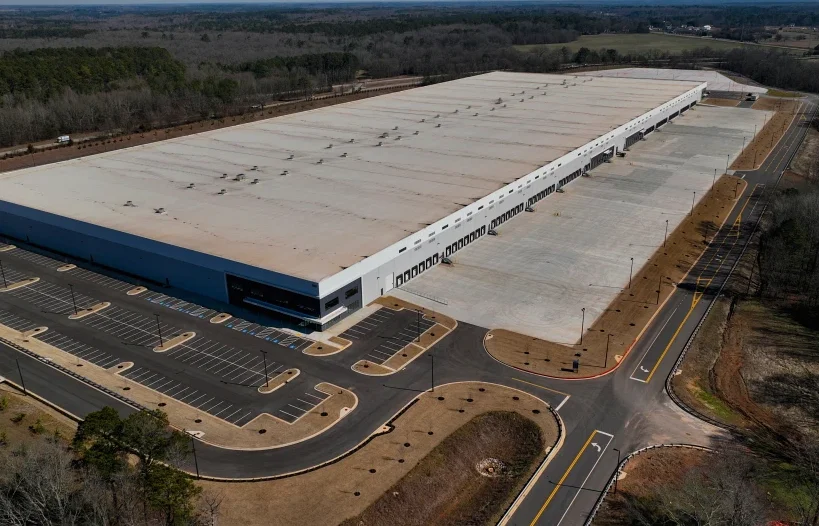
Socorro, Texas — Federal immigration agents sealed a $122.8 million purchase of three sprawling 826,000-square-foot warehouses here before anyone bothered to notify the mayor. Rudy Cruz Jr. learned of the deal only after a deed surfaced, showing the Department of Homeland Security already owned the properties on the edge of this 40,000-resident town near El Paso.
“Nobody from the federal government bothered to pick up the phone or even send us any type of correspondence,” Cruz said. The predominantly Hispanic community of ranch homes, trailer parks and strip malls now faces the prospect of a major detention center next door.
ICE’s moves form part of a $45 billion push to expand detention capacity to 92,000 beds, according to a document released by New Hampshire’s governor’s office on Feb. 13. The agency has bought at least seven warehouses in Arizona, Georgia, Maryland, Pennsylvania and Texas. Deals fell through in eight other spots, deeds show, while sales closed recently in places like Roxbury, New Jersey, despite earlier retractions.
Since President Donald Trump took office, ICE detainee numbers have doubled to 75,000 across more than 225 sites. The expansion targets eight large centers for 7,000 to 10,000 people each, plus 16 smaller processing facilities and 10 existing ones.
Funding flows from last year’s congressional tax and spending bill that nearly doubled DHS’s budget. Military-style contracts speed the process, bypassing standard safeguards, said Charles Tiefer, a professor emeritus at the University of Baltimore Law School.
DHS insists the sites will become “very well structured detention facilities meeting our regular detention standards,” not mere warehouses. The agency confirmed searching for more space but gives no advance notice of targets. Some towns caught wind through reporters or an online activist spreadsheet of unknown origin.
In Berks County, Pennsylvania, Commissioner Christian Leinbach called the district attorney, sheriff, jail warden and emergency chief after rumors of a warehouse buy in Upper Bern Township, three miles from his home. No one knew. Days later, land records confirmed ICE’s $87.4 million purchase of a “state-of-the-art logistics center.” Leinbach warned of losing over $800,000 in annual property taxes, though ICE highlights payroll taxes from its staff.
Social Circle, Georgia, a Trump-supporting town of 5,000, reeled when officials first heard of a 1 million-square-foot warehouse sale through a reporter. The $128.6 million deal closed without direct word from DHS until after. City leaders doubt their water and sewage systems can handle 7,500 to 10,000 detainees, noting ICE’s analysis banks on an unbuilt treatment plant. “The City has repeatedly communicated that it does not have the capacity,” officials stated.
Near Phoenix in Surprise, Arizona, ICE bought a massive warehouse in a residential zone a mile from a high school. Local officials fired off a harsh letter to Homeland Security Secretary Kristi Noem. Arizona Attorney General Kris Mayes threatened court action to deem it a public nuisance.
Even in Trump-backing areas, backlash builds. Socorro’s City Council meeting ran hours with speakers decrying recent deaths at a nearby Fort Bliss ICE site and fearing a dragnet on innocents. Jorge Mendoza, an El Paso County retiree, said, “I think a lot of innocent people are getting caught up.”
ICE maintains it conducts due diligence on utilities. Public support for the agency’s crackdown wanes as communities brace for strains on services and lost revenue.




Comments
No comments yet
Be the first to share your thoughts