

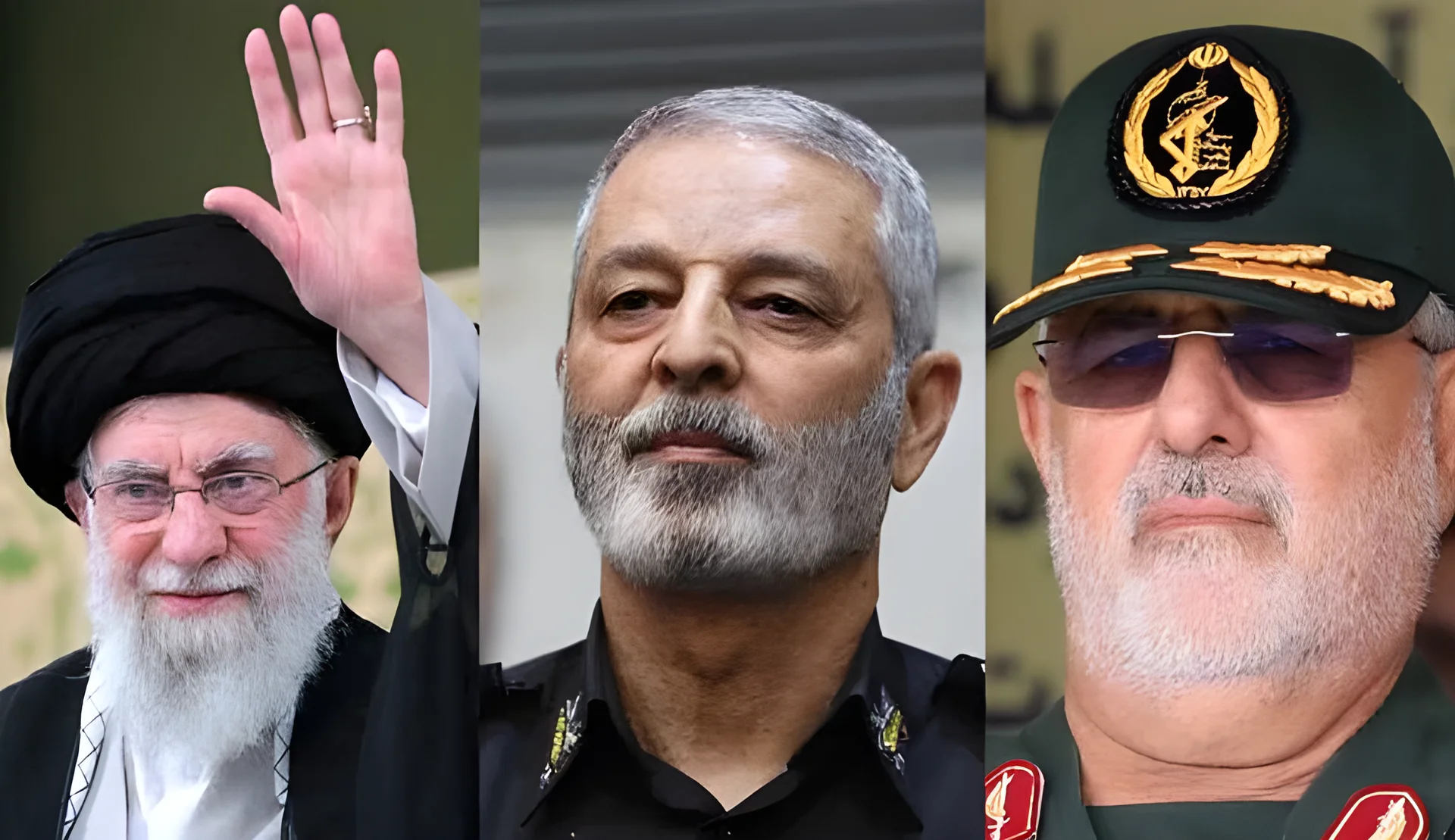
The Israel Defense Forces (IDF) announced on March 1 that it had targeted and eliminated seven members of Iran’s top security leadership in Tehran, along with 40 senior commanders linked to the Islamic Major Guard Corps (IRGC) and other militant groups. This revelation comes amid escalating tensions between Iran and Israel, with the IDF claiming the operation significantly weakened Iran’s military and security apparatus.
Significant Losses for Iran’s Military Structure
The IDF released a list of those it claims were killed, including high-ranking officials and commanders associated with Iran’s military, missile, and nuclear programs. Among those named were Mohammad Hossein Bagheri, former Chief of Staff of the Iranian Armed Forces, and Hossein Salami, the Commander-in-Chief of the IRGC. The list also included key figures from the Quds Force, Hezbollah, and Hamas.
The IDF stated that the strike targeted members of Iran’s top security leadership, including advisors to Supreme Leader Ayatollah Ali Khamenei, who has been a central figure in Iran’s military and political strategy. The deaths of these individuals, according to the IDF, could create a leadership vacuum and disrupt Iran’s strategic operations.
Impact on Regional Security and Power Dynamics
Analysts suggest that the elimination of these high-profile figures could significantly impact Iran’s ability to coordinate its military operations in the region. The loss of key commanders from the IRGC and allied groups like Hezbollah and Hamas may disrupt ongoing operations in Syria, Lebanon, and Yemen.
Iran’s Supreme Leader Khamenei, who has long been a central figure in the country’s military and political structure, has not been confirmed dead, but his close advisors, such as Ali Shamkhani, have reportedly been killed. This could create uncertainty in Iran’s leadership and military command structure.
According to the IDF, the operation was a targeted strike on Iran’s security infrastructure, aimed at dismantling its ability to conduct large-scale attacks and missile launches. The military said the strikes were a response to Iran’s continued support for militant groups in the region.
US Involvement and Political Repercussions
US President Donald Trump reportedly told ABC News’ Jonathan Karl that the US had identified potential candidates to lead Iran following the initial attack, but they were all killed in the strikes. Trump described the attack as so effective that it eliminated most of the potential successors to Iran’s leadership.
“The attack was so successful it knocked out most of the candidates,” Trump said. “It’s not going to be anybody that we were thinking of because they are all dead. Second or third place is dead,” he added.
While the US has not officially confirmed its involvement in the strikes, the timing and nature of the operation suggest close coordination between Israel and the US. The incident has raised concerns about the escalation of hostilities in the Middle East and the potential for further military confrontations.
Iran has not officially confirmed the deaths of these individuals, and the country’s leadership has not issued a detailed response. However, the loss of such high-ranking officials is likely to be a significant blow to Iran’s military and political structure.
Experts warn that the situation remains volatile, with the potential for further strikes and retaliatory actions. The regional power dynamics could shift significantly if Iran is unable to quickly replace these key figures and restore its military capabilities.
As the conflict between Iran and Israel continues to escalate, the international community is closely monitoring the situation for any further developments that could lead to a broader regional conflict.


Comments
No comments yet
Be the first to share your thoughts