


The International Monetary Fund (IMF) has declared its readiness to assist 50 countries currently relying on its programs to manage balance of payments (BOP) challenges, as global economic uncertainty intensifies amid ongoing conflicts and energy market disruptions. This comes as tensions rise between the United States, Israel, and Iran, with military strikes and retaliatory missile attacks increasing the risk of broader economic instability.
Energy Price Volatility Adds to Economic Strain
IMF Managing Director Kristalina Georgieva warned in a Bloomberg interview that a sustained 10% increase in energy prices over one year could raise inflation by 40 basis points and reduce economic growth by up to 0.2 percentage points. Pacific Island nations, which heavily depend on imported fuel, are particularly vulnerable to potential supply shocks.
Georgieva emphasized that central banks may need to brace for the dual challenge of rising consumer prices and currency depreciation, which would increase the cost of foreign debt servicing for several economies. She urged governments to strengthen fiscal capacity and diversify energy sources to build resilience against external shocks.
Global Economic Outlook Growing More Uncertain
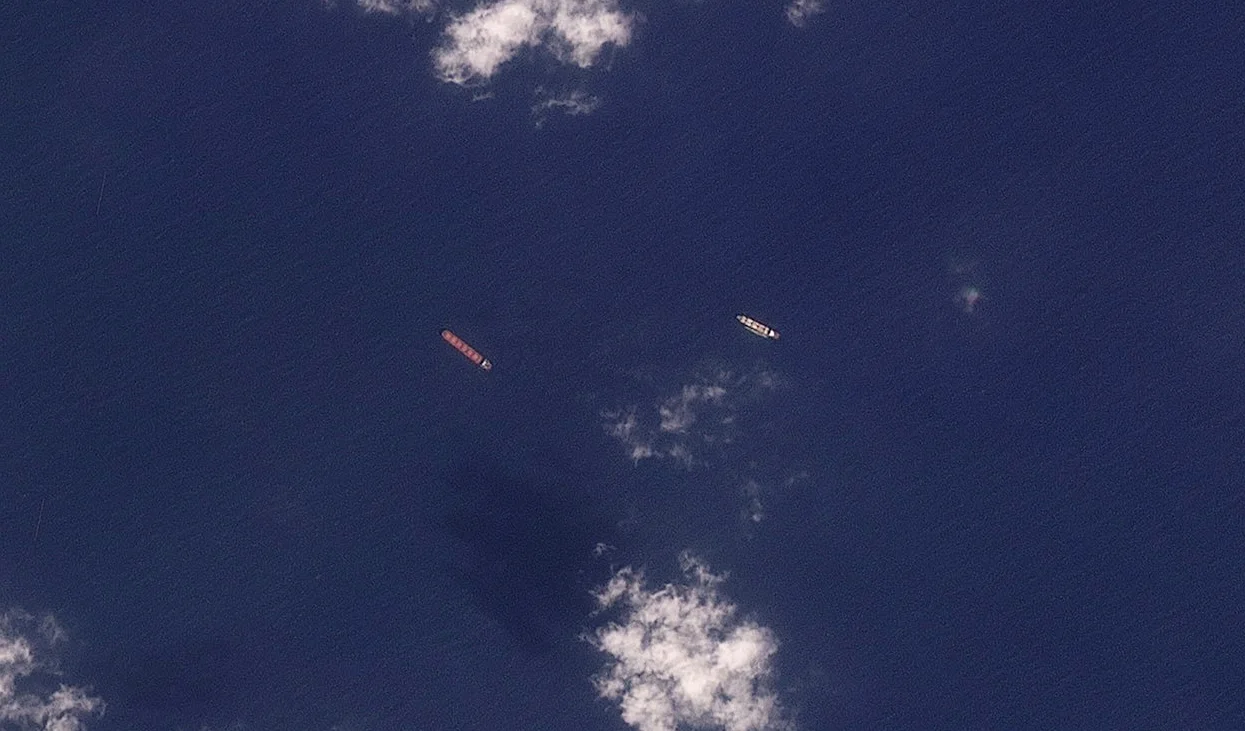
Georgieva’s remarks follow a period of heightened geopolitical tensions, including recent U.S. and Israeli military strikes on Iranian targets, which have triggered retaliatory missile and drone attacks. The conflict has disrupted shipping through the strategic Strait of Hormuz, raising concerns over global oil supplies and the potential for increased inflation and slower economic growth worldwide.
According to the IMF, the global economy is entering an era marked by “more frequent and unexpected shocks,” ranging from geopolitical conflicts to trade tensions and technological disruptions. Georgieva called on policymakers to prepare for these risks and build more resilient economic frameworks.
Currently, 50 countries are actively engaging with the IMF for support to manage their balance of payments needs, as foreign aid flows decline and economic risks intensify. Georgieva stressed the IMF’s commitment to being an “anchor of stability” in an increasingly uncertain world.
Low-income countries and those burdened with high levels of debt could face mounting economic stress if energy prices rise sharply. The IMF has also called on nations to improve institutional resilience and diversify their energy supplies to mitigate the impact of external shocks.
What’s Next for Global Economic Policy?
With energy markets under pressure and geopolitical tensions showing no signs of abating, the IMF is expected to ramp up its support programs for vulnerable economies in the coming months. Analysts are closely watching how central banks and governments will respond to the dual challenge of inflation and currency depreciation.
Georgieva reiterated the need for proactive measures to strengthen fiscal capacity and build institutional resilience. The IMF is also likely to focus on helping countries diversify their energy sources to reduce dependence on volatile global markets.
As the situation in West Asia continues to unfold, the economic implications for global trade and energy markets remain uncertain. The IMF’s preparedness to support 50 countries highlights the growing demand for international financial assistance amid rising global uncertainty.



Comments
No comments yet
Be the first to share your thoughts