

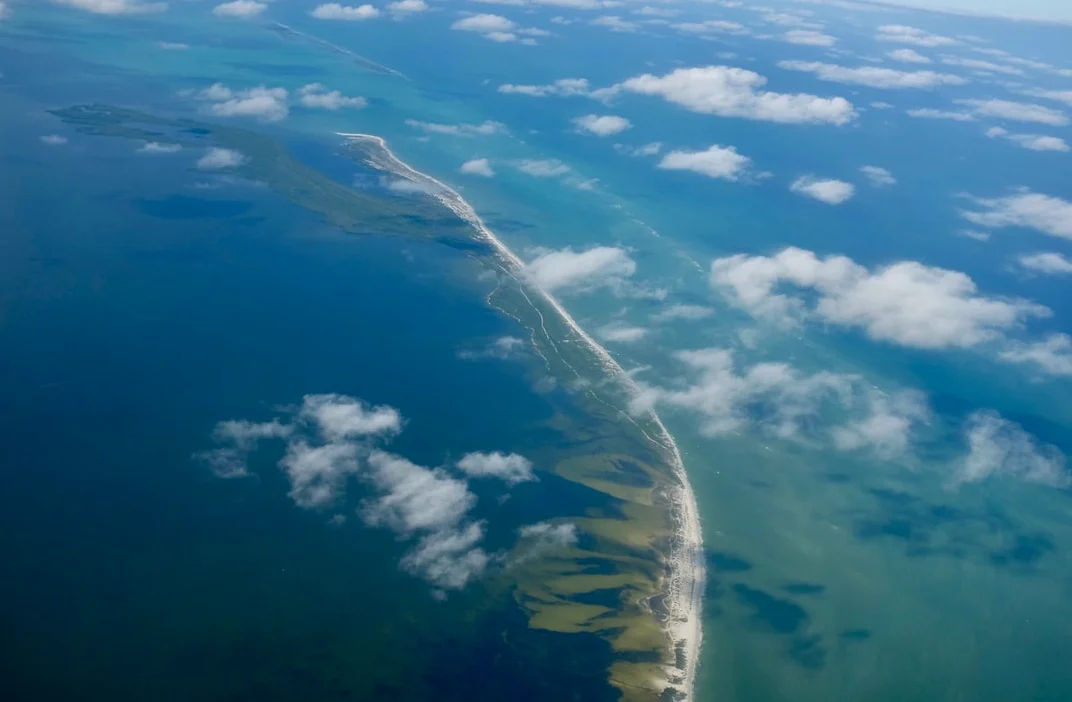
The Gulf economies. Particularly those of Saudi Arabia. The United Arab Emirates. And Qatar. Are vital to the global economy. Especially in the energy sector; their vast oil and gas reserves not only fuel the world’s energy demands but also have significant geopolitical implications; As tensions in the Middle East continue to rise, the role of these economies in maintaining global energy stability becomes even more pronounced.
Energy Markets and Global Supply Chains
The Gulf region accounts for approximately 30% of the world’s oil production and 20% of its natural gas reserves, according to the Carnegie Endowment for International Peace. This makes the region a cornerstone of the global energy market. The Hormuz Strait. A critical shipping route for about 20% of the world’s oil supply, is located near the Gulf and any disruption there could send shockwaves through global markets. Recent reports from TRANSPORT – die Zeitung für den Güterverkehr highlight that a potential crisis in Hormuz could drive oil prices up significantly, affecting supply chains globally.
The Gulf’s role in the global energy market is not just about production but also about trade and investment. The region is a major hub for international oil and gas companies, with projects such as the North Field expansion in Qatar and Saudi Arabia’s Vision 2030 aiming to diversify the economy while maintaining its energy leadership. According to EL PAÍS English, the Gulf’s economic influence is also growing as countries like Iran and the United States engage in diplomatic and military standoffs that could impact the region’s stability.
Geopolitical Influence and Regional Stability
The Gulf’s strategic importance extends beyond energy. The region is a focal point for international diplomacy and military operations. The United States has maintained a significant military presence in the Gulf for decades, and recent tensions with Iran have increased the stakes. According to EL PAÍS English, the Gulf is not only a target for Iranian military actions but also a battleground for proxy conflicts involving regional powers like Saudi Arabia, Iran, and Iraq.
Trump’s extension of the deadline for Iran to comply with U.S. demands until April 6 has heightened concerns about potential escalation. The U.S. military buildup in the region, coupled with Iran’s actions targeting Gulf infrastructure, reveals the delicate balance of power. According to EL PAÍS English, Trump’s statements about opening a dialogue have provoked mixed reactions in Iran, with some segments of the population supporting a more conciliatory approach, while others demand a tougher stance.
In the context of the ongoing conflict between Israel and Hamas, the Gulf’s role as a mediator or a potential battleground is also being closely watched. The United Nations has warned that the situation in Lebanon, which borders the Gulf, could lead to a humanitarian catastrophe. The UN Refugee Agency official stated that displaced families are living in constant fear, highlighting the broader regional impact of conflicts that could spill over into the Gulf.
Economic Diversification and Global Partnerships
While the Gulf’s economies remain heavily reliant on oil and gas, there is a growing emphasis on diversification. Saudi Arabia’s Vision 2030 and the UAE’s 2030 strategy aim to reduce dependency on hydrocarbons by investing in sectors such as tourism, technology, and renewable energy. These initiatives are attracting international investment and partnerships, further entrenching the Gulf’s economic influence.
According to Modern Ghana, the Gulf’s economic strategies are also influencing regional and international policies. For instance, the African Union’s Economic Community of West African States (ECOWAS) has been engaging with Gulf nations to explore trade and investment opportunities. The appointment of Akufo-Addo as a special envoy to the Gulf highlights the growing interest in building stronger economic ties between Africa and the Gulf states.
On top of that, Gulf countries are playing a major role in global climate change discussions. With the world increasingly focused on reducing carbon emissions, the Gulf’s investments in renewable energy and green technology are seen as both a challenge and an opportunity. The region’s vast solar potential and wind resources are being harnessed to meet both domestic and international demand for clean energy.
Humanitarian and Social Impact
While the Gulf economies are economically significant, their impact is also felt in the humanitarian and social spheres. The conflict in Lebanon, as reported by the UN, has displaced thousands of families and created a humanitarian crisis that could have broader implications for the region. The Gulf’s response to such crises is critical, as their economic power allows them to provide aid and support to affected populations.
According to Al Jazeera, the Gulf’s humanitarian efforts are not limited to the Middle East. The region has been a key player in international aid operations, particularly in Africa and Asia. Gulf countries have provided substantial financial and logistical support to countries affected by natural disasters, pandemics, and conflicts. This soft power enhances their global influence and reinforces their role as key players in international affairs.
The Gulf’s social policies, including investments in education, healthcare, and infrastructure, are also shaping the region’s future. With a growing population and a young demographic, the Gulf is investing heavily in human capital to ensure long-term economic stability. These investments are not only for domestic benefit but also to attract international talent and innovation, further solidifying the region’s position as a global economic hub.
Challenges and Future Outlook
Despite their economic and strategic importance, the Gulf economies face significant challenges. The volatility of oil prices, geopolitical tensions, and the need for economic diversification are all pressing issues. According to Modern Ghana, the Gulf’s reliance on oil and gas remains a vulnerability, and any major disruption to production or trade could have far-reaching consequences for the global economy.
The future of the Gulf economies will depend on their ability to adapt to changing global dynamics. As the world transitions to a more sustainable energy model, the Gulf will need to balance its traditional energy exports with investments in renewable energy and technology. This transition will require significant policy changes, international cooperation, and long-term planning.
According to TRANSPORT – die Zeitung für den Güterverkehr, the Gulf’s role in global supply chains is also under scrutiny. As the region becomes a key player in the global logistics and transportation sector, its infrastructure and regulatory frameworks will need to evolve to meet international standards. The expansion of ports, highways, and airports in the Gulf is already underway, signaling the region’s commitment to becoming a global transportation hub.
The Gulf’s influence on the world is undeniable, and its role in global energy markets, geopolitical stability, and humanitarian efforts will continue to shape international affairs. As the region handles the challenges of the 21st century, its ability to adapt and innovate will determine its place in the global economy.





Comments
No comments yet
Be the first to share your thoughts