

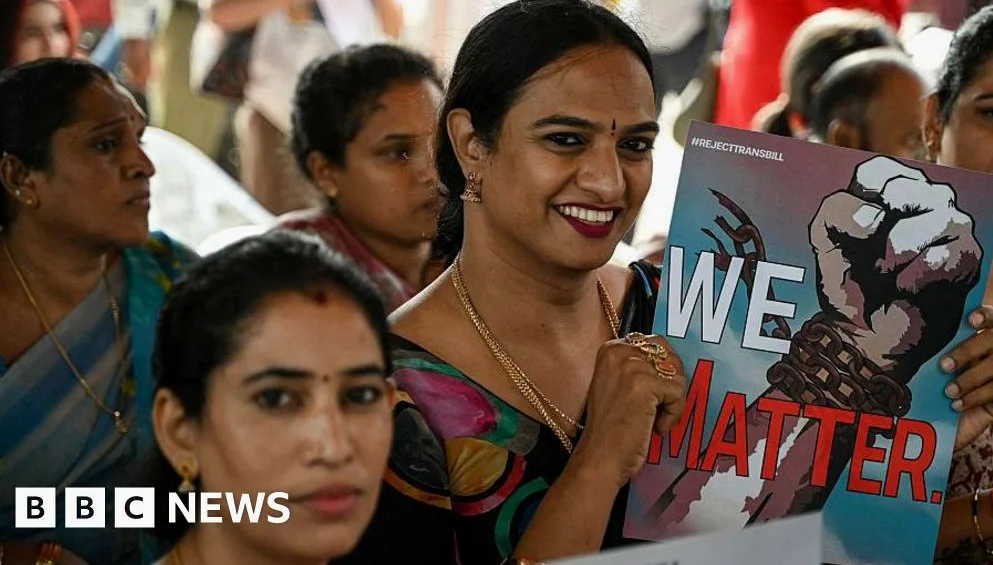
The proposed amendments to the Transgender Persons (Protection of Rights) Act, 2019, remove provisions that allow transgender individuals to self-identify their gender without medical certification — the bill also introduces stricter requirements for legal gender recognition, including mandatory medical evaluations and documentation from state-appointed panels. According to the Deccan Chronicle, the amendments have been described as ‘a dangerous reversal of progress’ by activists who argue the changes will disproportionately affect transgender women and non-binary individuals.
Protests and Public Response
Protests erupted in major cities across India within hours of the bill’s introduction. In Delhi, thousands of demonstrators gathered outside Parliament, some carrying banners reading ‘Not My Body, Not My Choice’ and ‘Trans Rights Are Human Rights.’ Similar rallies took place in Mumbai, where activists from the National Legal Services Authority (NALSA) joined the protests, demanding the government reconsider the amendments.
According to the BBC, several transgender activists spoke out against the bill, with one organizer from Mumbai stating, ‘This bill criminalizes our existence. It takes away our right to live with dignity.’ The protests have also drawn support from civil rights organizations, including the National Human Rights Commission (NHRC), which has called for an independent review of the legislation.
In Chennai, a group of over 500 transgender individuals and allies staged a sit-in at the city’s central bus stand, demanding the government withdraw the bill. One participant, identified as Priya, said, ‘We have fought for so long to be recognized. This bill takes us back to the dark days of discrimination.’
Government Rationale and Legal Challenges
Government officials have defended the amendments, citing concerns about the misuse of the current law and the need for a more structured process for gender recognition. In a statement released by the Ministry of Social Justice and Empowerment, officials said, ‘The new provisions aim to ensure transparency and prevent exploitation by unscrupulous individuals who may misuse the system for personal gain.’
However, critics argue that the government’s reasoning is based on a misunderstanding of the law’s intent. The 2019 Act was designed to protect transgender individuals from discrimination in employment, education, and access to public services. The amendments, they say, will make it harder for transgender people to secure jobs, access healthcare, and obtain legal documents.
Legal experts have also raised concerns about the constitutionality of the bill. According to the Deccan Chronicle, several petitions are expected to be filed in the Supreme Court challenging the amendments on the grounds of violation of fundamental rights, including Article 14 (equality before the law) and Article 21 (right to life and personal liberty).
International Reactions and Regional Context
The international community has closely followed the developments in India. The United Nations Human Rights Office issued a statement expressing concern over the proposed amendments, noting that ‘India’s progress on transgender rights is at risk of being reversed.’ The European Union has also called for dialogue with Indian authorities, emphasizing the importance of protecting the rights of vulnerable communities.
In a rare move, the National Human Rights Commission (NHRC) has taken suo motu cognizance of the issue, citing ‘serious violations of human rights’ and calling for an independent investigation. NHRC officials have reportedly urged the government to suspend the bill until a thorough review is conducted.
Meanwhile, in Tamil Nadu, where the government has historically been more progressive on LGBTQ+ issues, local activists have launched a campaign to raise awareness about the bill’s potential impact. According to a report by the Deccan Chronicle, over 10,000 signatures have been collected in support of a petition calling for the bill’s withdrawal.
Why It Matters and What’s Next
The proposed amendments have far-reaching implications for India’s transgender community. With an estimated population of over 2 million transgender individuals, the changes could have a significant impact on their access to employment, healthcare, and legal protections. According to the BBC, the bill could also set a dangerous precedent for other marginalized groups, including the LGBTQ+ community and people with disabilities.
Legal experts predict that the bill may face a prolonged battle in the courts, with challenges likely to be filed within the next 30 days. Meanwhile, activists are planning nationwide protests to pressure the government to reconsider the amendments. The outcome of this debate will have lasting consequences for India’s commitment to human rights and social justice.
As the situation unfolds, the government faces mounting pressure to address the concerns of activists and civil society. With the NHRC’s involvement and international scrutiny, the road ahead for the bill remains uncertain. For now, the protests continue, and the fight for transgender rights in India shows no signs of abating.






Comments
No comments yet
Be the first to share your thoughts