

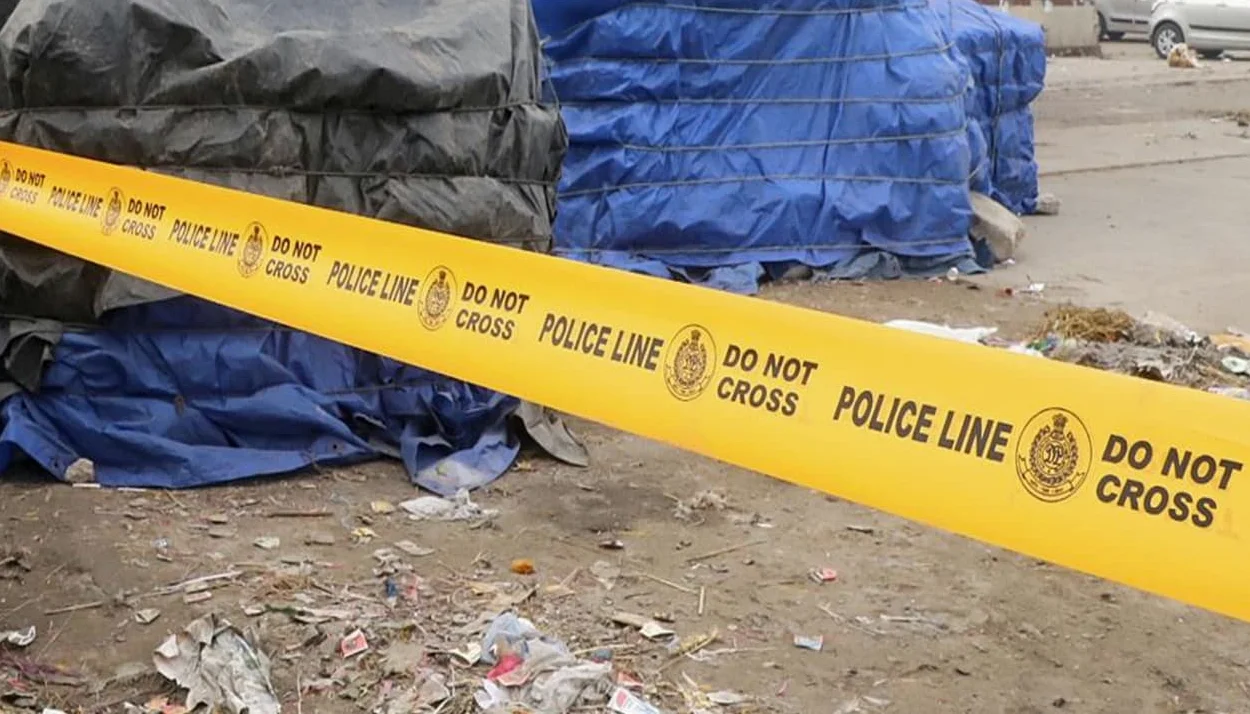
Indian security forces dismantled a terror network in Kolkata, arresting operative Umar Faruk who planned to build a base for nationwide attacks. Faruk received direct instructions from handler Shabir Ahmad Lone to scout sensitive sites, rent a hideout and secure weapons from local sources, officials said.
The plot surfaced amid a broader crackdown. On Sunday, Delhi Police Special Cell arrested Faruk and Robil Ul Islam in Kolkata following leads from anti-national posters at Delhi metro stations. The posters, plastered at Kashmiri Gate and nearby stops on February 7, bore terrorist slogans. CISF officers spotted them and alerted police, according to Additional Commissioner Pramod Kumar Kushwaha.
Kushwaha detailed the operation at a press conference. A Special Cell team tracked the suspects to Kolkata after the metro incident. Interrogations revealed Lone’s oversight from Bangladesh. ‘We busted a module handled by a Lashkar handler based there,’ Kushwaha said. ‘A major incident has been averted.’
Faruk’s briefings began in December 2024. Lone ordered him to record video footage of key locations across India and send it back. Officials described how Faruk was told to recruit more Bangladeshi nationals for support roles. He rented a place in Kolkata as a staging point and shared details with Lone, the agencies’ statement noted.
Weapons formed the plot’s core. Lone pushed Faruk to source arms inside India, bypassing border checks. Faruk reached out to local contacts for guns and explosives. The strategy aimed at a self-reliant cell, free from reliance on smuggled arms, sources close to the probe explained.
Lone carries a long record. A native of Kangan in Srinagar, Jammu and Kashmir, he faced arrest by Delhi Police Special Cell in 2007. Officers seized AK-47 rifles and grenades from him then. Lone trained at Lashkar-e-Taiba camps in Muzaffarabad under Hafiz Saeed and Zaki-ur-Rehman Lakhvi, with backing from Pakistan’s Inter-Services Intelligence, officials said. Released from jail, he fled to Bangladesh in 2019.
This Kolkata bust ties into recent Delhi action. The Special Cell’s Sunday raid prevented poster campaigns from escalating. Suspects confessed Lone’s role in both schemes. Faruk’s arrest yielded chats and videos proving reconnaissance efforts.
Agencies now hunt Lone’s wider network. They suspect more recruits lurk in Bangladesh and Indian cities. The plot echoed Lashkar tactics: local arms, foreign handlers, urban targets. Officials warned of rising ISI influence through Bangladesh proxies.
India has ramped up counter-terror ops along its borders. This case highlights shifts in Lashkar methods, leaning on internal procurement to dodge detection. Security teams continue questioning Faruk and Islam for leads on accomplices.



Comments
No comments yet
Be the first to share your thoughts