

 Al Jazeera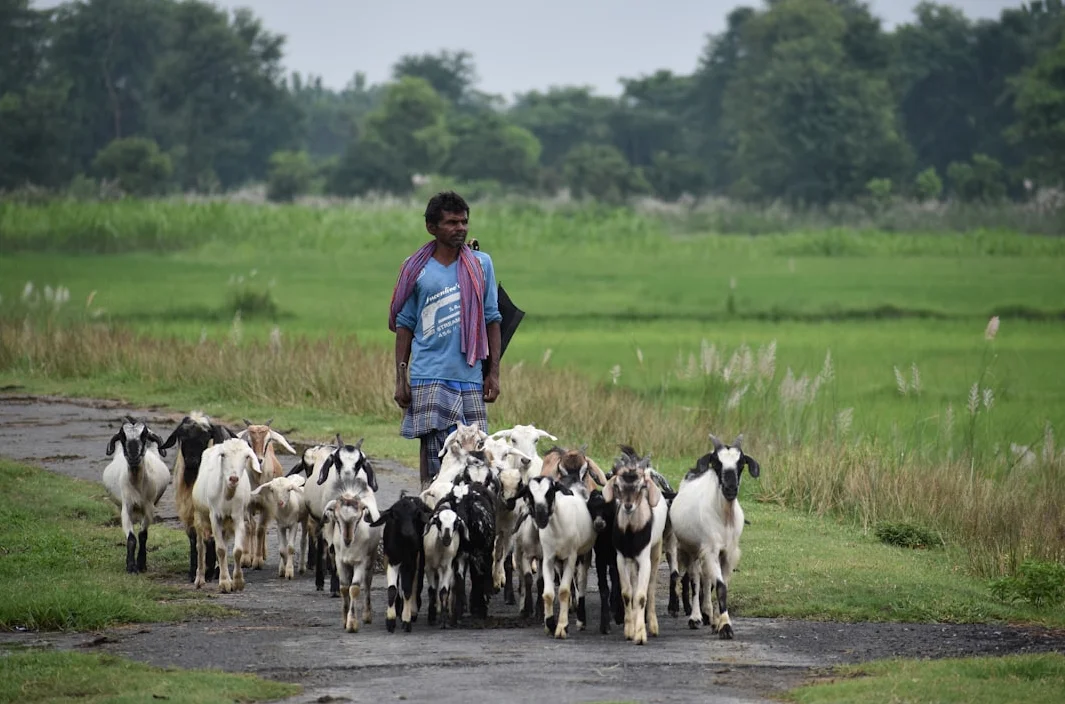
Chaibasa, India – As the world celebrated Spain’s victory in the 2026 FIFA World Cup, a remote Indian village in Jharkhand added its own unique twist to the global football fever by holding a tournament that awarded goats as trophies. The Rangila Star Tirilbasa tournament. Held from July 14 to July 17, featured teams from 64 nearby villages.
Tournament Features Goats as Prizes
The star attraction at the Rangila Star Tirilbasa tournament was the herd of goats given to the best-performing teams — the finals were played on Friday, with NCS Maudi defeating Kumbaram 1-0, mirroring the Spain vs. Argentina match that followed in New York two days later.
NCS Maudi earned 15,000 rupees ($156) and three male goats, locally known as “khassi.” Runners-up Kumbaram received 12,000 rupees ($125) and two khassis, as Third and fourth-place teams, Kobra FC Nimdhi and Galubasa FC, won 9,000 rupees ($93) and one khassi each. Plus, there were cash prizes for the man of the match, man of the series, and best goalkeeper, but none of those awards included goats.
NCS Maudi’s captain, Sachin Devam, said his team would celebrate the win with a “khassi picnic” in their village. “It’s the first win for our team, and we are going to celebrate it with everyone in the village,” he said, noting that he would need an autorickshaw to transport the goats 10km (6 miles) home.
Goats Reflect Tribal Culture and Traditions
This year marked the fifth edition of the Rangila Star Tirilbasa tournament. The event reflects the cultural traditions of the Ho people, who are native to the Chaibasa region. The Ho community, numbering slightly more than a million in India, belongs to the Austroasiatic group and identifies as tribal (aadivasi) people.
For the Ho, khassi goats are an integral part of celebrations and religious rituals. “Khassis are part of the prize because they are an important part of our culture. Their meat is tasty, and everyone loves good mutton,” said Manish Kudada, an 18-year-old player and tournament organizer. Some teams choose to slaughter the goats, while others keep them as livestock and trophies.
Raj Keshri, a goalkeeper for the Tirilbasa team and another organizer, added that the absence of khassi at events would be unacceptable to the villagers. “At weddings, even if the hosts serve double the amount of chicken and no khassi meat, it will upset the villagers.”
Tournament Reinforces Community and Sport
The tournament is designed to reinforce community bonds and promote local talent. The Ho community practices the Munda-Manki governance system, where the hereditary head of the village upholds social, legal, and customary rights. The tournament is held at the “ek munda” level, meaning teams must consist of at least six players from the same village.
Rules are adapted to the local context. There is no offside rule, and players can score from anywhere on the field. Sudarshan Tiu, a player for Galubasa FC, said this format gives players from small villages a fair chance to compete. “This kind of match setup provides an opportunity for players like us from small villages who never get a chance to qualify in open tournaments which are dominated by seasoned players,” he told Al Jazeera.
Commentator Suvir Kumar Tanti, who travels widely during the monsoon football season, highlighted the unique cultural aspects of the tournament. “The Rangila Star tournament reflects the culture of the Ho community. And khassi goats as prizes make it even more unique. Very few tournaments in the region follow this and prefer to conduct events in a professional manner, with trophies and medals as rewards,” he said.
Villagers gather throughout the day to watch the matches, with food stalls selling fried dough balls, potato chops, and hooch. Men sit in circles, drinking madia, a fermented rice beer. In the evenings, spectators bet on a rooster-catching game after the matches.
According to Keshri, the tournament’s name, Rangila Star Tirilbasa, symbolizes the village’s identity. “‘Rangila’ signifies our enthusiasm to do something unique while ‘Star’ represents talent. Through our football tournament, we hope Tirilbasa will become the ground for local talent.”






Comments
No comments yet
Be the first to share your thoughts