

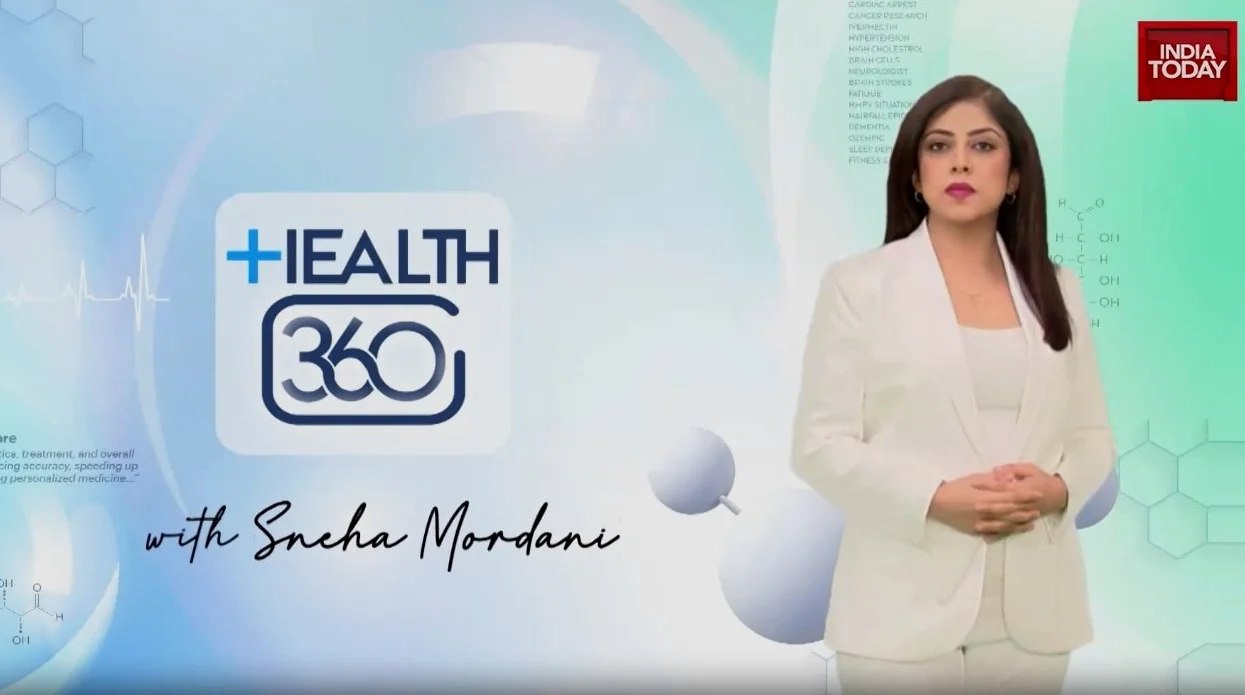
New Delhi — Government funds earmarked for rare diseases in India have gone largely untouched, leaving patients to shoulder crippling medical expenses. Officials report Rs 271 crore allocated under the National Policy for Rare Diseases sitting idle, even as families scramble for support.
Nayan, a 17-year-old from a modest background, embodies the crisis. Diagnosed with Hunter’s Syndrome, a rare genetic disorder causing progressive physical and cognitive decline, he requires enzyme replacement therapy costing lakhs monthly. His family has sold assets and sought crowdfunding to keep treatments going. ‘We wait endlessly for aid that never arrives,’ his mother told Health 360.
The episode, aired Saturday on India Today, dissects these policy shortfalls. Launched in 2021, the rare disease fund aimed to cover high-cost drugs and diagnostics for conditions affecting fewer than 1 in 5,000 people. Yet bureaucratic hurdles block disbursal. Health ministry data shows only a fraction of the Rs 271 crore — roughly Rs 50 crore — released to 12 designated centers of excellence by late 2025.
Experts point to diagnosis delays and specialist shortages as key barriers. Dr. Renu Saxena, head of hematology at AIIMS Delhi, noted that many rare diseases like mucopolysaccharidosis (Hunter’s) go undetected until severe symptoms appear. ‘Funds exist on paper, but patients can’t access them without proper referral networks,’ she said.
Beyond funding woes, the program spotlights brighter outcomes in childhood cancer care. A national study tracking 5,400 survivors reports a 94.5% five-year survival rate, rivaling global benchmarks. Conducted by the Indian Council of Medical Research, the research credits early detection and chemotherapy advances. Still, long-term risks loom large. Survivors face higher chances of heart disease, secondary cancers and infertility, according to the report. Pediatric oncologist Dr. Siddharth Laskar urged routine follow-ups: ‘Survival is just the start; lifelong monitoring saves lives.’
Shifting focus, the episode recasts obesity not as a lifestyle failing but a chronic biological disease. Genetic factors, hormonal imbalances and inflammation drive it, experts argue. Dr. Ambrish Mithal, endocrinologist at Medanta Hospital, explained: ‘Obesity alters metabolism at a cellular level, much like ALS disrupts motor neurons or diabetes affects insulin.’
Diet sodas, often pitched as weight-loss aids, draw scrutiny. Studies link artificial sweeteners like aspartame and sucralose to metabolic disruptions. Research in the journal Diabetes Care found they impair insulin response and gut bacteria, potentially fueling weight gain. ‘Zero calories don’t mean zero harm,’ nutritionist Ishi Khosla warned. A World Health Organization review last year classified aspartame as ‘possibly carcinogenic,’ prompting calls for moderation.
These threads weave a larger narrative on India’s health challenges. Rare diseases strike about 70 million Indians, per estimates from the Rare Disease India Foundation. Conditions like ALS, with its relentless muscle wasting, amplify the urgency for simplified aid. Advocacy groups demand policy tweaks: faster fund releases, expanded drug coverage and nationwide screening.
Government officials defend the scheme, citing growing registrations — from 8 centers in 2022 to 12 now. A health ministry spokesperson said audits are underway to speed disbursals. ‘We’re bridging the gap,’ the official added. Patient groups remain skeptical. Nayan’s father, juggling odd jobs, said simply: ‘Promises don’t pay bills.’
As debates intensify, survivors like Nayan press on. His story, raw and unrelenting, highlights a truth: India’s health ambitions falter without execution. With funds frozen and needs mounting, the human cost climbs daily.


Comments
No comments yet
Be the first to share your thoughts