

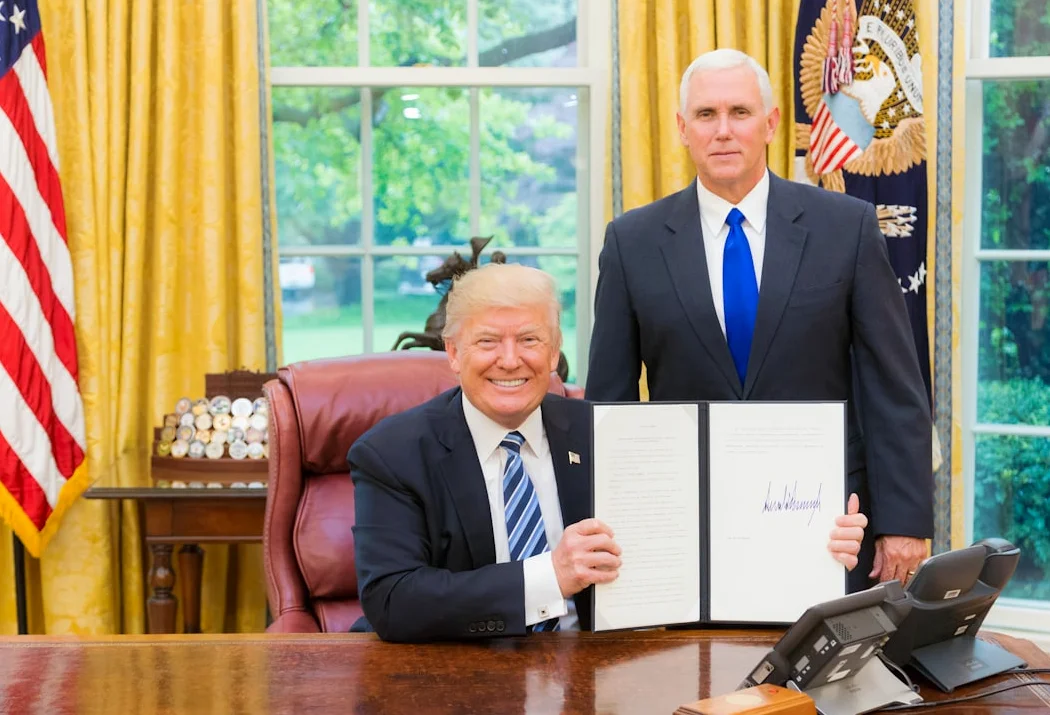
Donald Trump was in the Oval Office during the third week of the Iran war when a group of his most trusted advisers came to deliver some unwelcome news. His longtime pollster. Tony Fabrizio. Had conducted surveys that indicated the war Trump launched was growing increasingly unpopular. Gas prices had surged past $4 per gallon, stock markets had tumbled to multi-year lows, and millions of Americans were preparing to take to the streets in protest. Thirteen American service members had been confirmed killed; some of Trump’s key public supporters were criticizing a conflict with no clear end in sight. It fell on White House chief of staff Susie Wiles and a small group of aides to tell the President that the longer the war dragged on, the more it would threaten his public support and Republicans’ prospects in November’s midterm elections.
White House Concerns Over Public Perception
For Trump. The stark warning was unsettling — the President has begun many recent mornings watching video clips compiled by military officials of battlefield successes, according to a senior Administration official. He has told advisers that being the commander in chief to eliminate the nuclear threat posed by Iran could be one of his signature achievements. But Wiles. According to two White House sources. Was concerned aides were giving the President a rose-colored view of how the war was being perceived domestically, telling Trump what he wanted to hear instead of what he needed to hear. She had urged colleagues. The officials say, to be “more forthright with the boss” about the political and economic risks.
Economic and Global Fallout
The meeting reflected a reality the White House can no longer ignore: time is running out before the President, his party, and the American public pay an even steeper price. Trump had promised to revive the economy and keep the U.S. out of foreign conflicts. Now he has started a war he had not gotten a mandate to wage, and the economic pain may only be beginning. A month into the largest oil shock in modern history, global growth forecasts are being slashed, shortages are emerging across Europe and Asia, and energy traders warn the world has yet to feel the full severity of the disruption. A prolonged closure of the Strait of Hormuz, the narrow waterway that is the primary exit route for oil and gas from the Persian Gulf, could tip the global economy into recession.
Trump’s Search for an Exit Strategy
The President was left frustrated by the predicament, at odds with some of his own officials, and fuming at the negative impressions of the war. The mounting political and economic toll has left him looking for an off-ramp, according to two advisers and two members of Congress who have spoken to him during the last week. Trump told them he wants to wind down the campaign, wary of a protracted conflict that could hobble Republicans heading into the midterms. At the same time, he wants the operation to be a decisive success. Allies say he is searching for a way to declare victory, halt the fighting, and hope that economic conditions stabilize before the political damage hardens. “There’s a narrow window,” says a senior Administration official, who like others interviewed for this account of Trump at war was granted anonymity to provide candid observations about the President’s thinking.





Comments
No comments yet
Be the first to share your thoughts