

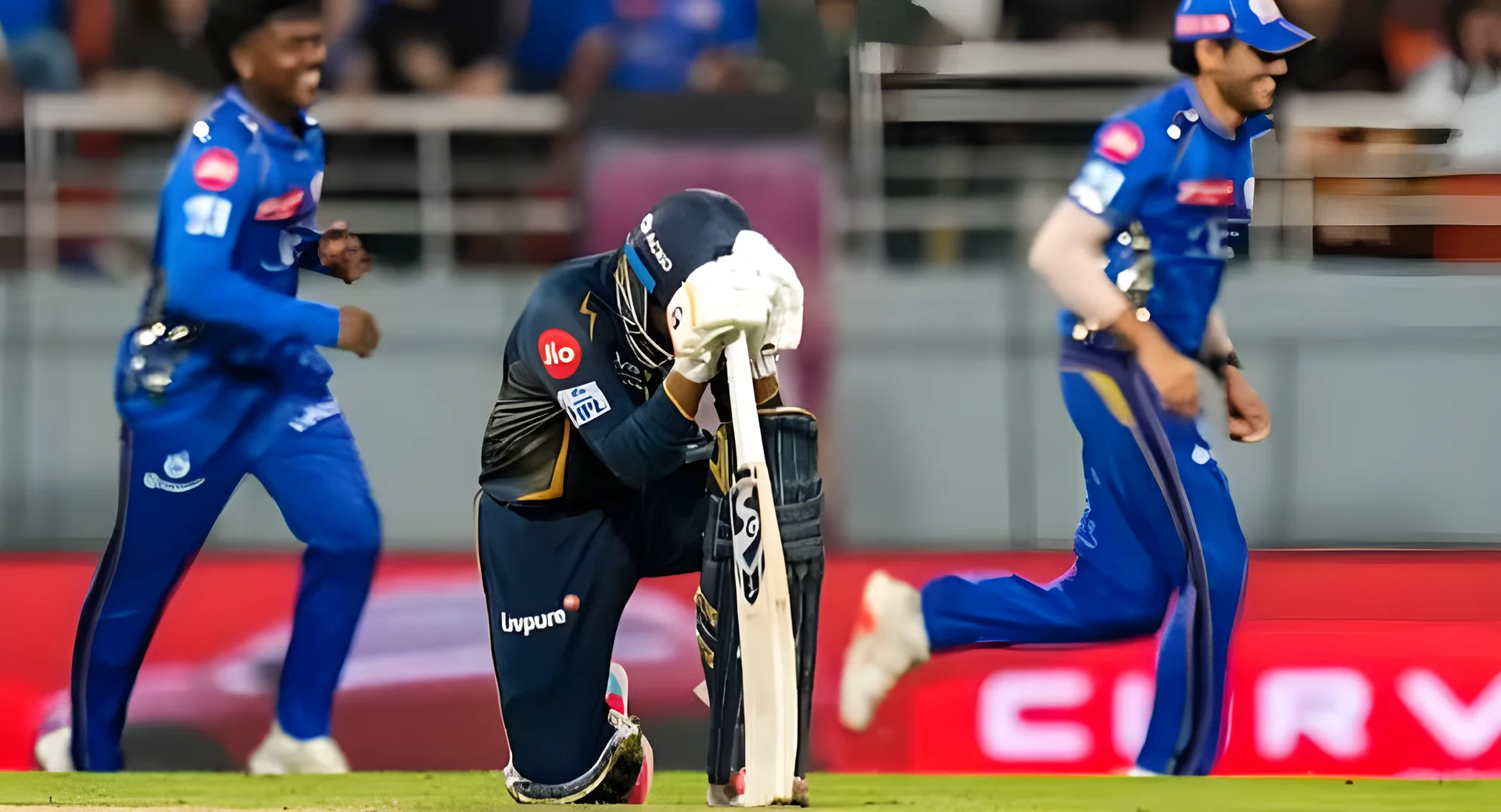
The Indian Premier League (IPL) 2026, which is set to begin on March 28, 2026, faces a potential travel crisis due to escalating geopolitical tensions in the Middle East. The BCCI has revised the start date, but this change has triggered concerns over the safe and timely arrival of international players and broadcast teams, particularly as U.S., Israel, and Iran military operations have disrupted key aviation routes.
Disrupted Aviation Corridors and Transit Challenges
The Gulf region, particularly Dubai (DXB) and Abu Dhabi, has long served as a critical transit hub for international players and media teams heading to India. However, with several airlines suspending flights to these regions, the logistics of transporting players from Australia, South Africa, and England have become increasingly complex.
According to reports, several international players are expressing hesitation about traveling through volatile airspace. The International Cricket Council (ICC), currently managing the final stages of the T20 World Cup 2026 in India and Sri Lanka, has already established a ‘Travel Support Desk’ to help reroute players through European and Southeast Asian hubs to avoid the Gulf region.
BCCI’s Strategic Adjustments and Schedule Changes
The BCCI is closely monitoring the situation and has made several strategic adjustments to accommodate both the geopolitical landscape and domestic political calendar. The IPL 2026 is now scheduled to run from March 28 to May 31, 2026, a timeline that has been influenced by the upcoming Assembly Elections in West Bengal, Tamil Nadu, and Assam.
Due to the combination of Middle East tensions and domestic political events, the BCCI is expected to release the tournament schedule in two phases, similar to the approach taken in the 2024 season. This decision aims to provide flexibility in case of last-minute changes or travel restrictions.
There are also indications that the BCCI may consider shifting venues to locations with better international connectivity, potentially bypassing the Middle East entirely if travel restrictions remain in place. This would ensure that international players can reach the tournament without facing unnecessary delays or risks.
New Financial and Regulatory Measures
In addition to logistical challenges, the BCCI has introduced new financial and regulatory measures to manage player recruitment and prevent potential disruptions. A new rule limits the maximum bid for any overseas player in the mini-auction to ₹18 Crore (approximately $2.2 million), aimed at aligning their contracts with those of retained Indian stars.
Further, the board has tightened regulations to address the issue of last-minute player withdrawals. Under the new guidelines, players who withdraw after being picked in the auction without a valid medical reason could face a two-season ban. This move is intended to discourage franchises from making last-minute changes that could destabilize team preparations.
The BCCI’s revised approach reflects a broader effort to ensure the smooth conduct of the IPL despite the complex geopolitical and domestic challenges. With the tournament set to begin in less than two years, the board is under pressure to finalize a schedule that balances both practicality and entertainment for fans across the world.
As the situation in the Middle East remains fluid, the BCCI and ICC are likely to continue evaluating potential risks and adjusting plans accordingly. The success of IPL 2026 will depend heavily on the ability of organizers to handle these challenges and ensure that the event remains a global cricketing spectacle.




Comments
No comments yet
Be the first to share your thoughts