

Shirin — not her real name, an Iranian political activist, tells the BBC that the fear of war restarting intensifies her trauma of repression. She suffers from symptoms of post-traumatic stress disorder, including numbness in her left hand, and lives in constant anxiety. ‘Whenever I hear a disturbing sound, my body reacts involuntarily. The psychological pressure that entered my mind has numbed this part of my left hand. It doesn’t work. I still have anxiety that the war might start again, and that is a terrifying thing,’ she says.
Trauma and Repression
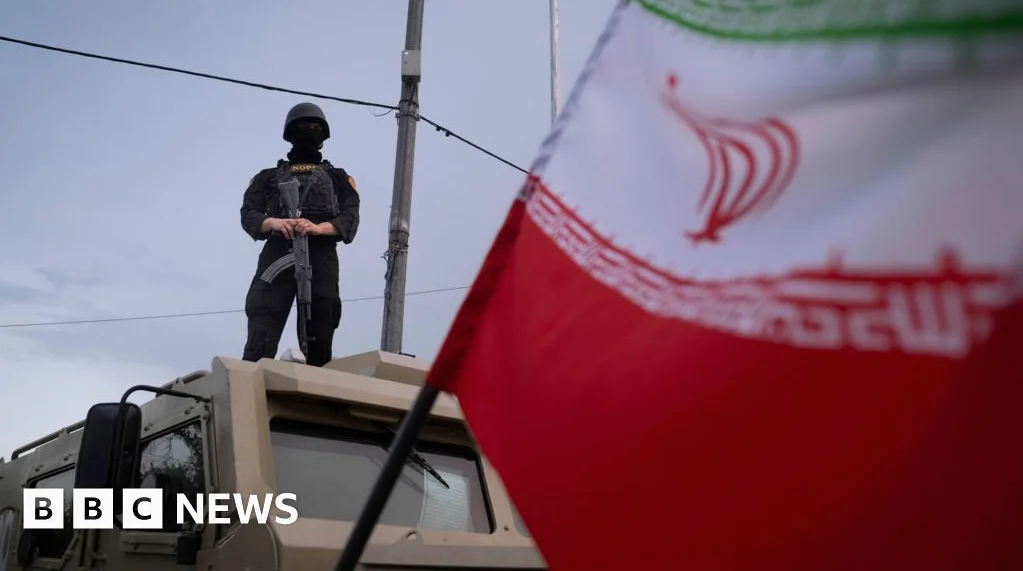
Shirin describes how the Iranian government stages shows of strength on the streets, including parades by women driving jeeps mounted with heavy machine guns and others with automatic rifles. She recalls the execution of those arrested during the January uprising. ‘Things [have] happened that we could do nothing about, for example, the execution of those arrested during the January uprising. The executions happened and the detainees were hanged… we have now lost the streets,’ she says. Shirin listens for the sound of cars pulling up outside, the knock on the door, or the phone call summoning her to interrogation. When they’ve come for you once already, the fear never goes away.
She recounts the first time she was on the phone to her mother when the car pulled up beside her on the street in 2024 during the long fallout from the ‘Woman, Life, Freedom’ protest movement after the death in custody of 22-year-old Mahsa Amini. A man and a young woman got out and stood in front of her. ‘Are you Mrs …?’ The man asked. ‘I said ‘yes.’
Missile Interceptions in Dubai
William Harper, an 18-year-old living in Dubai, describes the experience of missile interceptions during a staycation in a historic port city about an hour north of Dubai. ‘My dad was blowing out the candles on his birthday cake when streaks of light lit up the sky above us,’ he says. From their table, they could see missile interceptions arcing across the night sky. Staff asked guests to stay calm. William and his family had already been planning to leave Dubai for the staycation when they heard the first bangs that morning.
William checked his phone and saw messages from friends asking if others had heard it. His dad had also been told by contacts that something may have been hit near Abu Dhabi. ‘We decided to go ahead anyway,’ he says. During the drive, their phones kept lighting up with updates from Dubai. ‘Honestly, at the time, I didn’t feel scared. Watching the interceptions felt, in a way, interesting, because there was no visible damage, nothing actually landing nearby.’
Contrasting Experiences
Some days later, the explosions were loud enough to shake the house. That was the only time it felt genuinely frightening — not because anything hit them, but because of how powerful the interceptions were. ‘The phone alerts were also intense, sudden, loud alarms warning of potential strikes,’ he says. William notes how different it all felt compared to how it was being portrayed internationally. ‘A lot of the coverage made it seem like Dubai had become unsafe overnight, like people were panicking. That wasn’t really the case.’






Comments
No comments yet
Be the first to share your thoughts