

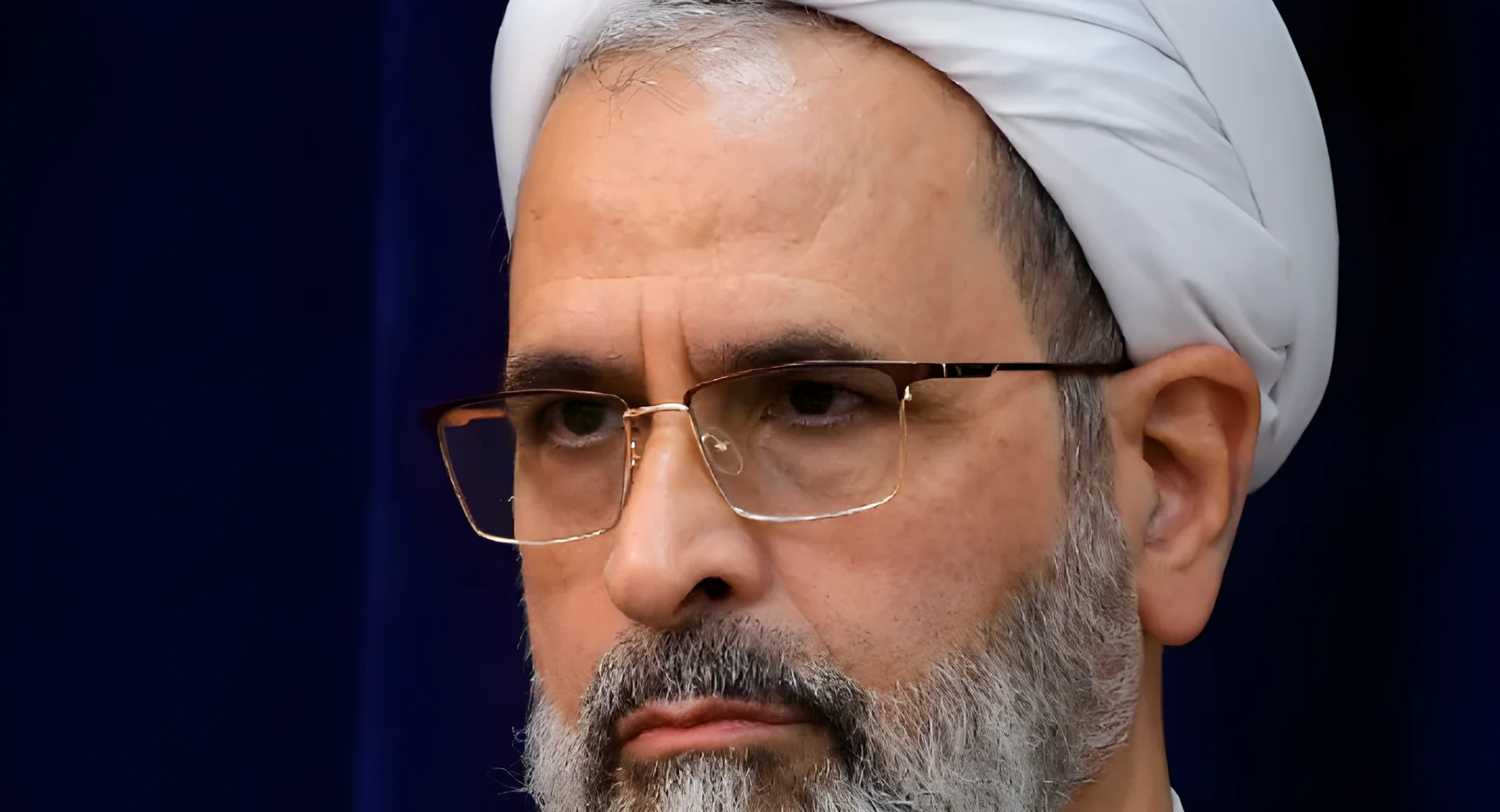
Iran has appointed senior cleric Alireza Arafi as the jurist member of its temporary Leadership Council following the death of Supreme Leader Ayatollah Ali Khamenei in US-Israeli strikes, state media reported on Sunday. The move comes amid a leadership vacuum that has left the country in a precarious political and strategic position.
The Interim Leadership Council
The appointment, announced by the state-linked ISNA news agency, completes the three-member council that assumes the supreme leader’s powers under Article 111 of Iran’s constitution until the Assembly of Experts selects a successor. Arafi, 67, joins President Masoud Pezeshkian and Chief Justice Gholamhossein Mohseni Ejei on the interim body.
Arafi, a prominent figure in Iran’s religious hierarchy, is the only cleric in the trio in a system traditionally headed by a religious supreme leader. This has led many analysts to view him as the senior figure within the council. Born in 1959, Arafi heads Iran’s national network of Islamic seminaries and serves as a clerical member of the Guardian Council. He also sits on the Assembly of Experts, the body tasked with appointing the next supreme leader.
Regional Tensions Escalate
Khamenei’s killing has plunged Iran into an unprecedented leadership crisis. President Pezeshkian described the strike as a ‘declaration of war against Muslims’ by the United States and Israel, while the Major Guards vowed retaliation. The interim leadership council will govern until the Assembly of Experts convenes to choose a permanent successor, a process expected to be closely watched amid heightened regional tensions.
The death of Khamenei has raised concerns about the stability of the Islamic Republic, which has been under increasing pressure from both internal and external forces. Analysts warn that the power struggle within the leadership could lead to further unrest, particularly as the country faces economic and political challenges.
Public Reaction and International Responses
In Tehran, reactions were sharply divided. Some residents celebrated with cheers, music and fireworks late on Saturday, according to videos verified by AFP, though large crowds did not form amid fears following a January crackdown on anti-government protests. Others gathered in central Tehran’s Enghelab Square dressed in black, mourning Khamenei, chanting anti-US and anti-Israel slogans and waving Iranian flags.
State television announced a 40-day mourning period and seven public holidays. US President Donald Trump said on Truth Social late on Saturday that Khamenei’s death offered Iranians a chance to reclaim their country, while Israeli Prime Minister Benjamin Netanyahu urged Iranians to overthrow what he called a tyrannical regime.
Exiled opposition figure Reza Pahlavi, son of Iran’s late shah, said on X that Khamenei’s death marked the end of the Islamic Republic. His comments reflect the hopes of some Iranians who see the current regime as a source of instability and suffering.
According to analysts, the interim council’s composition may influence the direction of Iran’s foreign and domestic policies in the coming months. The uncertainty surrounding the leadership transition could lead to further volatility, particularly in the context of ongoing tensions with Israel and the United States.
The Assembly of Experts is expected to convene in the near future to select a successor to Khamenei. The process, which has not taken place since the 1980s, is likely to be contentious and could take several months to complete.
Iran’s political landscape has been marked by a series of challenges, including economic sanctions, internal protests, and regional conflicts. The death of Khamenei adds another layer of complexity to an already fragile situation. As the country moves forward, the role of the interim council will be critical in shaping the future of the Islamic Republic.
Comments
No comments yet
Be the first to share your thoughts