

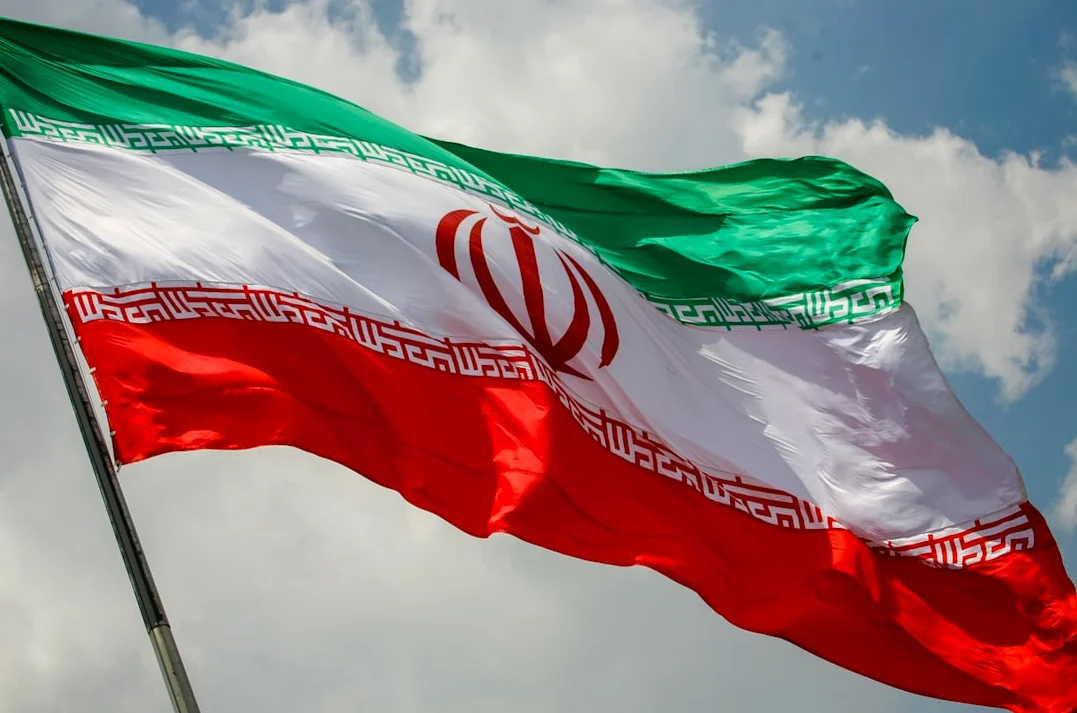
Iran has issued a directive prohibiting sports teams from traveling to countries it labels as ‘hostile,’ a move that comes amid escalating regional tensions and an ongoing war involving Israel and the United States. According to reports from The New Arab and Al Jazeera, the ban reflects Iran’s growing security concerns and its broader strategy of isolating itself from perceived adversaries.
Background of the Ban and Its Context
The ban, confirmed by multiple sources, applies to nations Iran considers hostile, including the United States, Israel, and possibly others in the region. The decision was announced in the wake of an intensifying conflict, with reports of Israeli strikes targeting Iranian missile production sites and sea mines manufacturing facilities. Al Jazeera reported that Israel claimed it had struck an Iranian missile site, while Iran has warned that hotels in the Middle East hosting U.S. troops will be targeted.
According to The New Arab, the move is part of a broader strategy by Iran to prevent its athletes from engaging with nations it views as adversaries. This aligns with a pattern of increasing isolationism in Iranian policy, particularly as the war with Israel and the U.S. escalates. The ban is not limited to international competitions but also extends to any travel to these countries for sports-related purposes.
One official from the Iranian sports ministry, speaking to a local media outlet, stated, ‘We cannot risk our athletes being exposed to hostile environments that could jeopardize their safety and the integrity of our national team.’ This comment highlights the primary concern behind the ban: ensuring the security of Iranian athletes and avoiding any potential diplomatic complications.
Regional and International Reactions
The ban has drawn mixed reactions from regional and international parties. In Israel, officials have expressed little surprise, viewing the move as a predictable response to what they describe as Iran’s aggressive behavior in the region. ‘Iran continues to use sports as a tool of soft power, but now they are restricting their own athletes to avoid exposure to the realities of the conflict,’ said an Israeli defense analyst in a statement to Al Jazeera.
Meanwhile, in the United States, the decision has been seen as a further sign of Iran’s growing militarization and its desire to isolate itself. ‘This ban is a clear signal that Iran is tightening its grip on domestic narratives and limiting any form of engagement with the outside world,’ noted a U.S. State Department official in an internal memo obtained by The New Arab.
Other countries in the Middle East have been more cautious in their responses. Some Gulf states, which have long been critical of Iran’s nuclear ambitions, have not publicly commented on the ban. However, local sources suggest that the move could further strain relations with Iran’s regional rivals, who see the ban as an extension of its broader isolationist policies.
Local Impact and Public Response
In Iran, the ban has sparked a range of reactions among the public. Some athletes and sports officials have expressed support for the decision, citing the risks of traveling to countries engaged in active hostilities. Others, particularly younger athletes, have voiced concerns about the long-term consequences of such a policy on Iran’s sports culture and international engagement.
A statement from the Iranian Football Federation, obtained by Al Jazeera, read, ‘While we understand the need for caution, we believe that sports should remain a unifying force, not a political tool. We hope this ban is temporary and does not affect the future of our athletes on the global stage.’
Among the broader public, the ban has been interpreted in various ways. Some see it as a necessary measure to protect national interests, while others view it as a sign of Iran’s growing militarization and the erosion of its once-cosmopolitan sports culture. A survey conducted by a local media outlet found that 62% of respondents supported the ban, while 38% were critical of its potential impact on international sports diplomacy.
Implications for International Sports Diplomacy
The ban has raised questions about the future of Iran’s participation in international sports events. While the country has historically maintained a presence in global competitions, the new policy could lead to a more restricted engagement with the outside world. This is particularly significant given Iran’s history of using sports as a diplomatic tool, including hosting major events and participating in international tournaments.
According to The New Arab, the ban could have a ripple effect on international sports organizations, which may need to reassess their policies on Iran’s participation. ‘The situation is complex, but the sports world must find a way to engage with Iran without compromising the safety of its athletes,’ said a representative from the International Olympic Committee, speaking to Al Jazeera.
There are also concerns about the economic impact of the ban. Sports tourism and international competitions have been a source of revenue for Iran in the past. The new policy may limit access to foreign markets and reduce opportunities for revenue generation through sports-related activities.
As the conflict with Israel and the United States continues to unfold, it remains unclear whether the ban on sports teams will be a permanent policy or a temporary measure. The Iranian government has not provided a timeline for the restriction, and officials have not indicated whether the ban will be revisited in the future.
Meanwhile, the broader war in the Middle East shows no signs of abating, with reports of continued strikes and military activity. The situation is likely to remain volatile, and any changes to Iran’s sports policy will depend on the evolving geopolitical landscape.
Analysts suggest that the ban may be a test of public sentiment and a way to gauge domestic support for the government’s policies. ‘This is not just about sports—it’s about control, perception, and the narrative of national security,’ said a political scientist at a Tehran university, speaking to The New Arab.
As the war intensifies, the role of sports in international relations will continue to be a topic of debate. Whether Iran will maintain its isolationist stance or seek to re-engage with the global sports community remains an open question.






Comments
No comments yet
Be the first to share your thoughts