

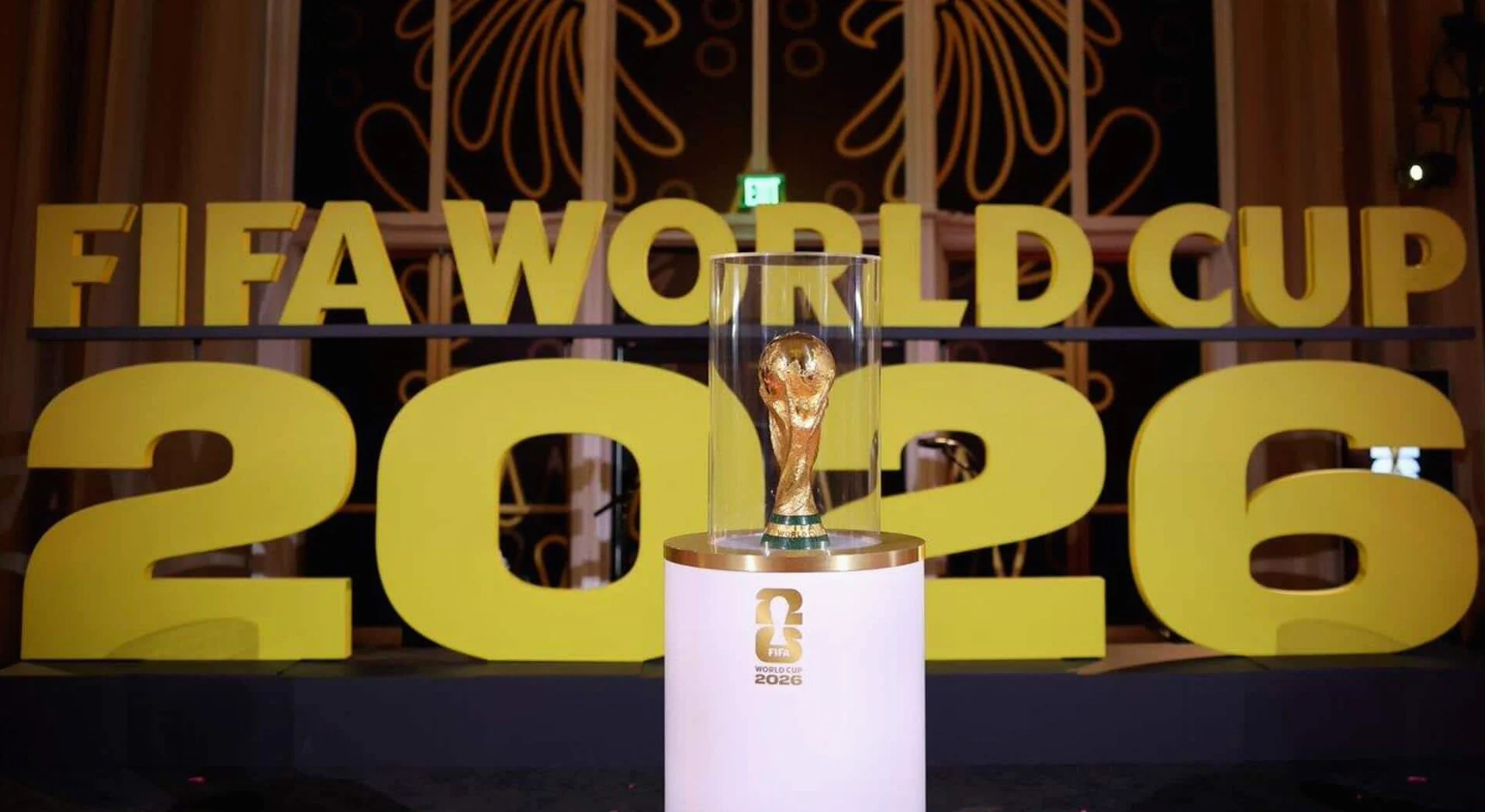
Iran has officially ruled out its participation in the upcoming 2026 FIFA World Cup, a decision made by Sports Minister Ahmad Donyamali during a televised interview on Wednesday. In remarks to Iranian state television, Donyamali stated that the country cannot take part in the tournament under any circumstances, citing the assassination of a prominent leader as the primary reason for the decision. The statement comes amid heightened political tensions within Iran and raises questions about the country’s role in international sports events.
Political Climate Shapes Sports Participation
The Sports Minister’s comments reflect the deepening influence of domestic politics on Iran’s international engagements, including sports. Donyamali’s statement was clear and unequivocal: ‘Considering that this corrupt regime has assassinated our leader, under no circumstances can we participate in the World Cup.’ The reference to the assassination of a high-profile figure appears to be a direct response to internal unrest, which has been ongoing for several weeks.
Iran has faced internal turmoil in recent months, with protests erupting after the death of a young woman, Mahsa Amini, while in the custody of the country’s morality police. The demonstrations have spread across the country, leading to widespread condemnation of the government and calls for systemic change. In the wake of these protests, the Iranian government has cracked down on dissent, leading to the arrest of numerous activists and journalists. This context appears to be a major factor in the government’s decision to exclude Iran from the World Cup.
Football has long been a symbol of unity and international connection for many countries, including Iran. The national team has previously participated in World Cup qualifiers and has had notable success in Asian competitions. However, the government’s decision to withdraw from the 2026 tournament marks a significant shift in how sports are perceived within the country’s political landscape.
Impact on Trade and International Relations
The decision not to participate in the FIFA World Cup could have broader implications beyond sports. The tournament is one of the most-watched global events, drawing billions of viewers and providing a platform for international engagement. By opting out, Iran may be signaling a desire to distance itself from global institutions and international media scrutiny, which could affect trade and diplomatic relations.
Iran has long been under international sanctions, and its sports teams have faced challenges in competing abroad due to diplomatic tensions. However, the World Cup is typically a unifying event that transcends political boundaries. The government’s decision to exclude Iran from the tournament may be seen as a further step toward isolating the country on the global stage.
Analysts suggest that this move could also impact Iran’s sports industry. The absence of the national team from the World Cup may lead to a decline in viewership and sponsorship deals, affecting athletes and sports organizations that rely on international exposure. In the past, the Iranian football league has drawn significant attention, and the absence of the national team could diminish the league’s appeal.
According to a 2023 report by the Iranian Sports Federation, the country’s football industry generates over $150 million annually from broadcasting rights, sponsorships, and merchandise. The loss of international tournaments like the World Cup could significantly impact this revenue stream, particularly if the government continues to prioritize political stability over economic opportunities.
What Analysts Say About the Decision
Experts have expressed concern over the potential consequences of Iran’s decision. Dr. Reza Karimi, a sports policy analyst at Tehran University, noted that ‘the government’s stance is sending a strong signal to the international community that Iran is no longer interested in global sports engagement.’ He added that the move could lead to a ‘further erosion of trust among international sports organizations and potential exclusion from future events.’
Karimi also pointed out that the decision may affect the morale of Iranian athletes and fans. ‘Many young footballers look up to the national team as a symbol of pride and achievement. If the government is cutting them off from the world stage, it could have a demoralizing effect,’ he said.
Despite the government’s stance, some Iranian fans have expressed disappointment over the decision. In social media posts, many have criticized the government for using sports as a political tool rather than a platform for national unity. ‘Football is for all of us, not just the regime,’ one user wrote on Twitter, reflecting the sentiment of many in the country.
As the 2026 FIFA World Cup approaches, the international football community will be watching closely to see how this decision affects Iran’s role in global sports. The tournament is scheduled to be held in the United States, Canada, and Mexico, and it is expected to draw millions of viewers worldwide. Iran’s absence may be seen as a symbolic rejection of the global stage, but it could also lead to a reevaluation of the country’s position in international sports.
For now, the Iranian government has not indicated any plans to reconsider its stance. With the World Cup qualifiers already underway, the national team’s participation in future matches remains uncertain. The Sports Ministry has not commented further on the matter, leaving many questions about the future of Iranian football on the international stage.





Comments
No comments yet
Be the first to share your thoughts