

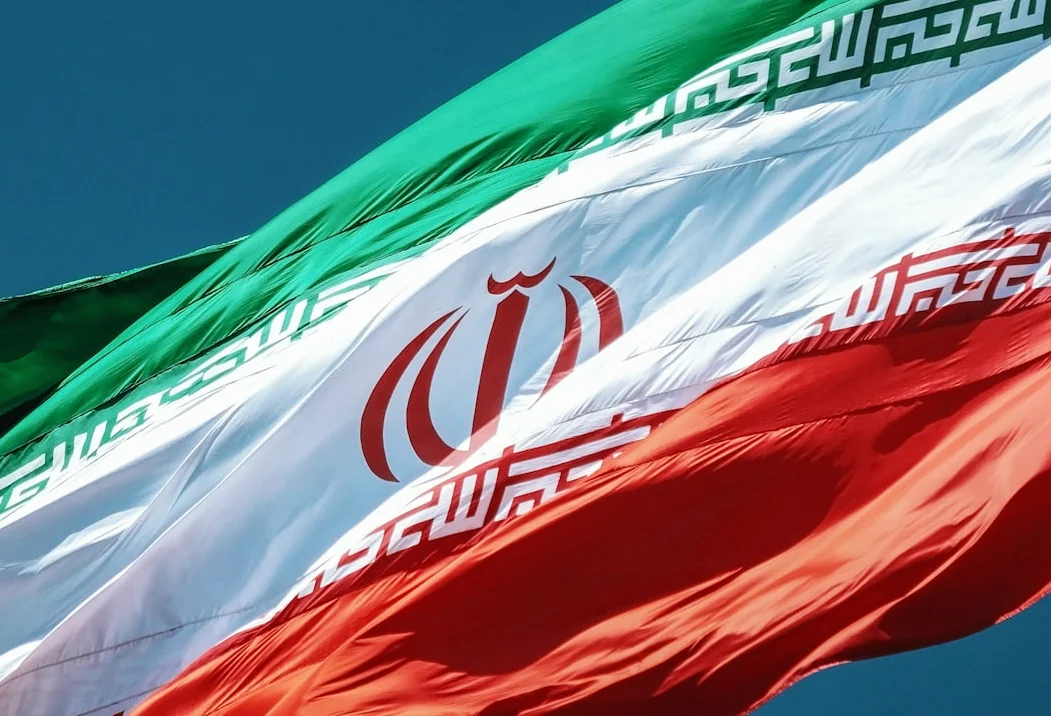
Iran’s Fars news agency reported that gas infrastructure has been struck in recent attacks, marking a significant escalation in the conflict that now extends to vital energy assets. According to investingLive. The developments raise serious concerns about the stability of Iran’s energy sector, which plays a major role in the region’s economy and global oil markets.
Escalation of Attacks on Energy Assets
The Fars report highlights that the attacks on gas infrastructure have intensified in recent weeks, with several facilities reportedly damaged — this follows a pattern of increasing aggression that has seen energy assets become prime targets. The reported strikes have disrupted operations at key facilities, raising fears of further disruptions to Iran’s energy exports.
According to the report. The attacks have caused significant damage to pipelines and processing plants, some of which have been out of commission for days. Officials have not provided detailed assessments of the damage, but industry sources suggest that the impact could be felt in both domestic supply and international markets.
The timing of the attacks is particularly concerning, as it comes amid a broader regional tension. Analysts warn that the targeting of energy infrastructure could be a strategic move to weaken Iran’s economic position and deter further military action from its adversaries.
Impact on Regional and Global Markets
The attacks on gas infrastructure have already begun to ripple through regional and global markets. Oil futures have seen significant betting activity, with $580 million in pre-Trump post trades reported. The uncertainty surrounding Iran’s energy capabilities has led to a sharp drop in oil prices, with traders reacting to the potential for further supply disruptions.
According to the Fars report. The damage to gas infrastructure has also affected the domestic supply chain, leading to increased energy costs for consumers; this has sparked concerns among ordinary Iranians, who are already facing high inflation and economic hardship.
Meanwhile, the international community is closely watching the situation, with some analysts warning that continued attacks on energy assets could lead to a wider conflict. The United States and its allies have been vocal about the need for de-escalation, but the recent developments suggest that tensions may be far from resolved.
Broader Implications for Energy Security
The targeting of gas infrastructure in Iran has broader implications for energy security across the Middle East — the region has long been a focal point for global energy markets, and any disruption in supply can have far-reaching consequences.
According to investingLive. The attacks on Iran’s energy assets have also prompted a reevaluation of energy strategies by several countries, but some are accelerating plans to diversify their energy sources, while others are looking to increase domestic production to reduce reliance on imports.
Experts note that the situation could also affect the global push for renewable energy. With the uncertainty surrounding traditional energy sources, there may be a renewed focus on developing alternative energy solutions, such as solar and wind power, to mitigate the risks of supply chain disruptions.
However, the immediate impact of the attacks on Iran’s energy infrastructure is likely to be felt most acutely by the Iranian people. With the country already grappling with economic challenges, the damage to critical energy assets could exacerbate the situation, leading to further hardship for ordinary citizens.
According to the Fars report, the Iranian government has not yet commented on the extent of the damage, but officials have warned that they will take necessary measures to protect their energy assets. The coming days will be critical in determining whether the attacks will lead to further escalation or a de-escalation of tensions in the region.
As the situation unfolds, the international community is closely monitoring the developments, with many hoping for a resolution that will prevent further damage to Iran’s energy infrastructure and regional stability.






Comments
No comments yet
Be the first to share your thoughts