

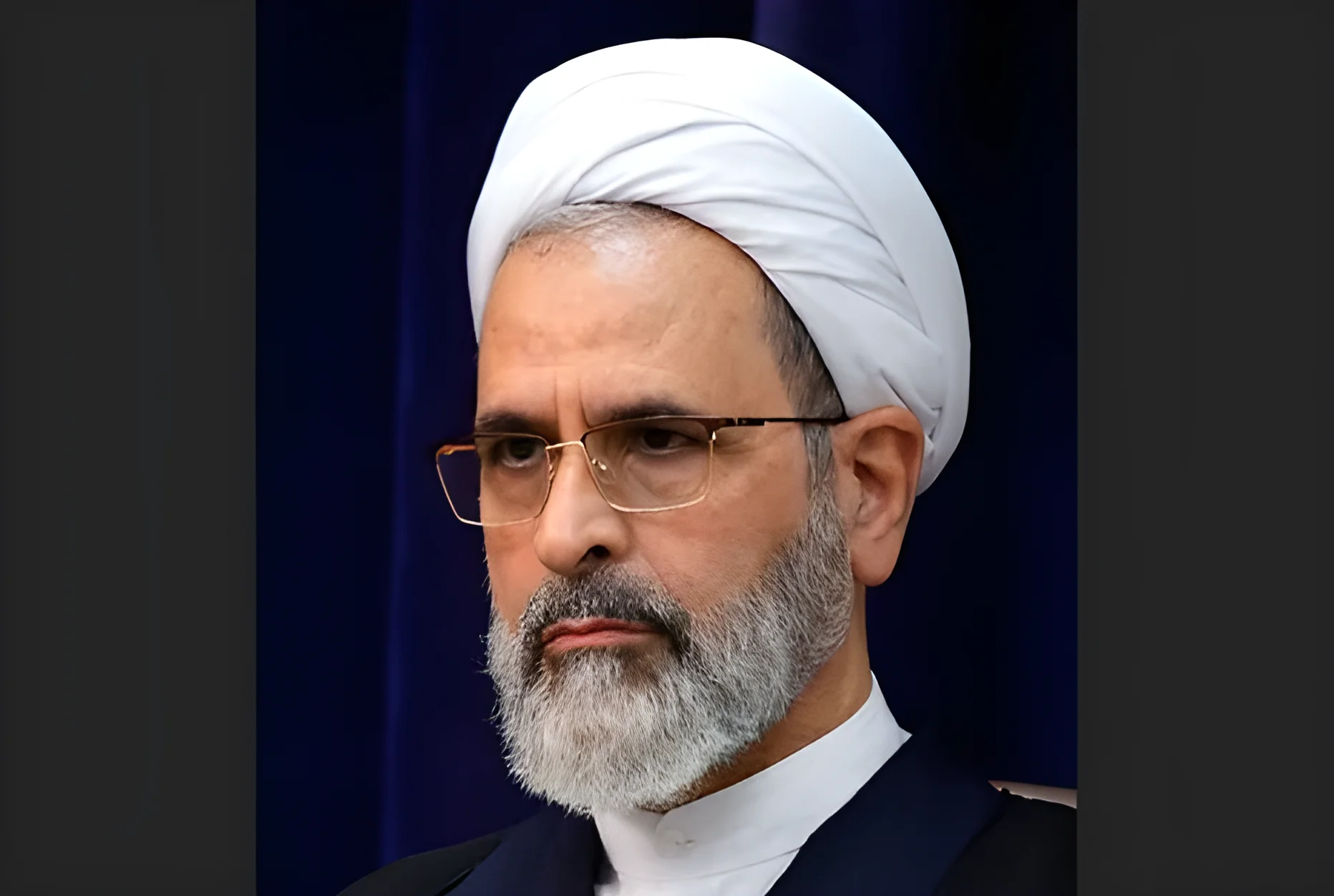
Ayatollah Alireza Arafi, a senior cleric and influential figure in Iran’s religious hierarchy, has been named as the country’s interim Supreme Leader following the death of Ayatollah Ali Khamenei in a joint US-Israeli strike on Saturday. The 67-year-old cleric will serve alongside President Masoud Pezeshkian and Chief Justice Gholam-Hossein Mohseni-Ejei until the Assembly of Experts selects a permanent successor.
The Transition Framework
According to Iran’s constitution, the interim leadership body will manage the country’s affairs during the transition period. The appointed provisional council will carry out the duties of the Supreme Leader until a permanent replacement is chosen by the Assembly of Experts, an 88-member panel of senior clerics.
The Assembly of Experts must select a permanent successor ‘as soon as possible’ under Iranian law, according to state media reports. The interim council will oversee the country as it handles this delicate phase amid ongoing regional tensions.
Arafi’s Background and Influence
Arafi, born in 1959 in Yazd Province, previously held three influential positions: Director of the Islamic Seminary system, member of the Assembly of Experts, and a vetting member of the Guardian Council. He also led Al-Mustafa International University, a prominent institution in Iran’s religious education system.
Known for advocating technological modernization, Arafi has been a vocal proponent of developing artificial intelligence in Iran. Fluent in Arabic and English, he is seen by observers as a distinct kind of regime insider—strong in clerical credentials but not closely tied to the security establishment.
‘Arafi represents a different kind of leadership within the Islamic Republic,’ said one political analyst, who requested anonymity. ‘His focus on modernization and education may signal a shift in priorities, even as the country faces internal and external challenges.’
The Impact of Khamenei’s Death
Iranian state media confirmed the death of Ayatollah Ali Khamenei, the 86-year-old leader who had ruled the country since 1989, early Sunday morning. The strikes also killed four members of Khamenei’s immediate family and several senior military commanders, according to reports.
The loss of Khamenei, who had been the highest authority in Iran for over three decades, has left a power vacuum that the interim council is now tasked with managing. His death comes at a time when Iran is already dealing with economic hardship, regional conflicts, and diplomatic isolation.
Iran has announced 40 days of mourning for Khamenei, a period that is traditionally observed for high-profile religious figures. During this time, the country is expected to hold a series of ceremonies and commemorations across the nation.
The interim leadership will have to deal with both internal and external pressures, including ongoing tensions with the United States and Israel, as well as the economic and social challenges facing the Iranian population.
With the Assembly of Experts set to meet in the coming weeks, the selection of a permanent Supreme Leader will be a critical moment for Iran’s political future. The country’s constitution allows for the Assembly to choose the next leader, and the process is expected to be closely watched by both domestic and international observers.
Analysts note that the choice of a successor will have significant implications for Iran’s foreign policy, domestic governance, and its relations with the wider region. The interim leadership will play a crucial role in maintaining stability during this uncertain period.


Comments
No comments yet
Be the first to share your thoughts