

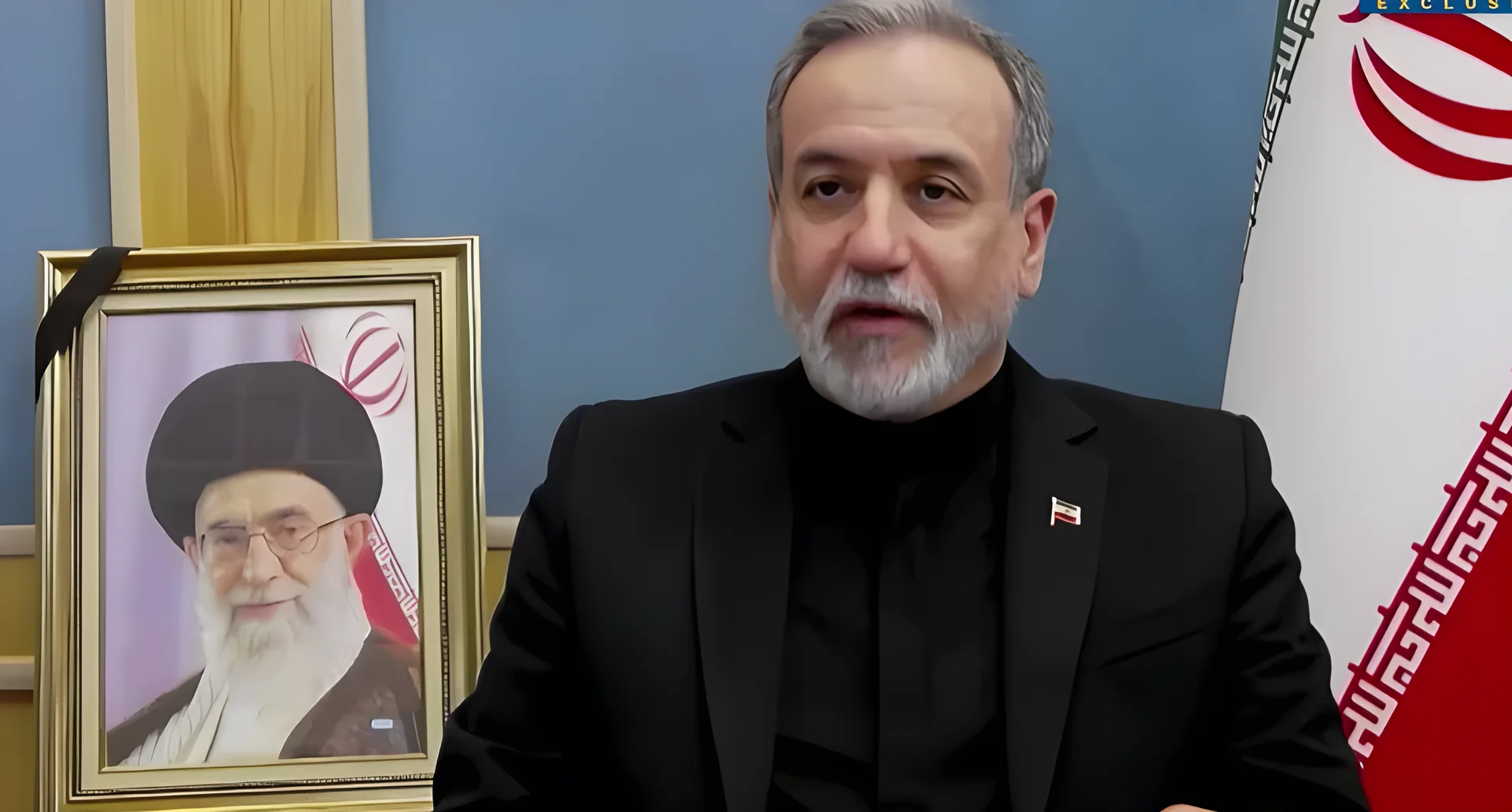
Tehran, March 8, 2026 — Iran’s foreign minister, Abbas Araghchi, has firmly rejected U.S. President Donald Trump’s demands for ‘unconditional surrender,’ declaring that the country will continue its resistance as long as necessary to defend its territory, people, and national honor. The remarks came during an interview with NBC’s Meet the Press and underscore a growing standoff between Iran and the United States, which has seen a series of military and diplomatic exchanges in recent months.
Defensive Stance Amid Leadership Transition
Araghchi emphasized that Iran’s response to U.S. pressure remains defensive in nature, stating that the nation will persist in its resistance ‘as long as it takes.’ He also noted that the current leadership is operating under an interim council while the Assembly of Experts prepares to select a new supreme leader, a process he said is not yet finalized.
The foreign minister dismissed reports of a final decision on the leadership transition, stating that the selection process is internal and free from external interference. He added that Iran is not in a position to accept a temporary ceasefire unless a lasting resolution to the current conflict is in place.
Military Actions and Regional Concerns
Araghchi addressed concerns about missile strikes, clarifying that Iranian attacks targeted U.S. facilities rather than neighboring countries. He defended Iran against accusations of responsibility for a school strike that resulted in the deaths of more than 170 people, though he did not provide specific details about the incident.
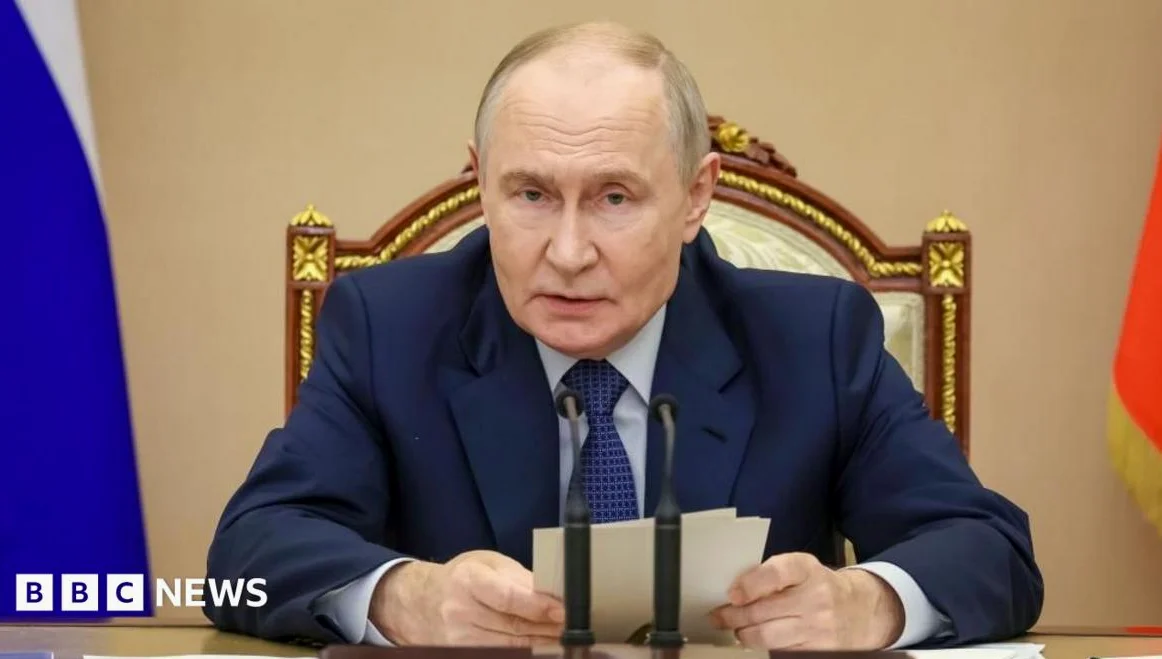
The foreign minister also confirmed that Iran is engaged in military cooperation with Russia, though he did not elaborate on the nature of this collaboration. He stressed that Iran has limited missile range to avoid appearing as a global threat, a claim that has been a point of contention in international discussions about Iran’s military capabilities.
The remarks come amid a broader context of heightened tensions between Iran and the United States, which have seen a series of military and diplomatic confrontations since 2020. The situation escalated further in 2024 with the assassination of a top Iranian general, which led to retaliatory strikes and a brief but intense escalation of hostilities.
Regional and Global Implications
The current standoff has significant implications for regional stability, with neighboring countries closely monitoring the situation. Analysts warn that any further escalation could disrupt trade routes and energy supplies in the Persian Gulf, a region that accounts for about 20% of the world’s oil production.
According to the International Energy Agency, the Persian Gulf is a critical hub for global oil trade, with approximately $2.5 trillion in annual transactions passing through the region. Any disruption to these trade routes could have immediate economic consequences for countries that rely heavily on oil imports.
Moreover, the situation has raised concerns about the potential for a broader regional conflict, particularly as both Iran and the United States continue to bolster their military presence in the area. The U.S. has deployed additional naval assets to the Gulf, while Iran has been conducting regular missile drills and naval exercises.
Araghchi’s comments also highlight the internal dynamics within Iran, where the leadership transition has been a source of speculation and uncertainty. The Assembly of Experts, a body responsible for selecting the supreme leader, has been deliberating for several months, with no clear timeline for a resolution.
Experts suggest that the lack of a finalized leadership transition could lead to political instability within Iran, which may further complicate its foreign policy decisions. The country’s foreign ministry has been under pressure to provide clarity on its strategic direction amid the ongoing tensions with the United States.
Looking ahead, analysts are closely watching for any signs of de-escalation or a new diplomatic initiative. The next few weeks could be critical, as both Iran and the United States face important political deadlines, including parliamentary elections in Iran and a potential U.S. midterm election.
For now, the situation remains tense, with both sides reaffirming their positions and showing no immediate signs of compromise. The international community is urging both nations to seek a peaceful resolution to the crisis, which could have far-reaching consequences for global stability and economic security.





Comments
No comments yet
Be the first to share your thoughts