

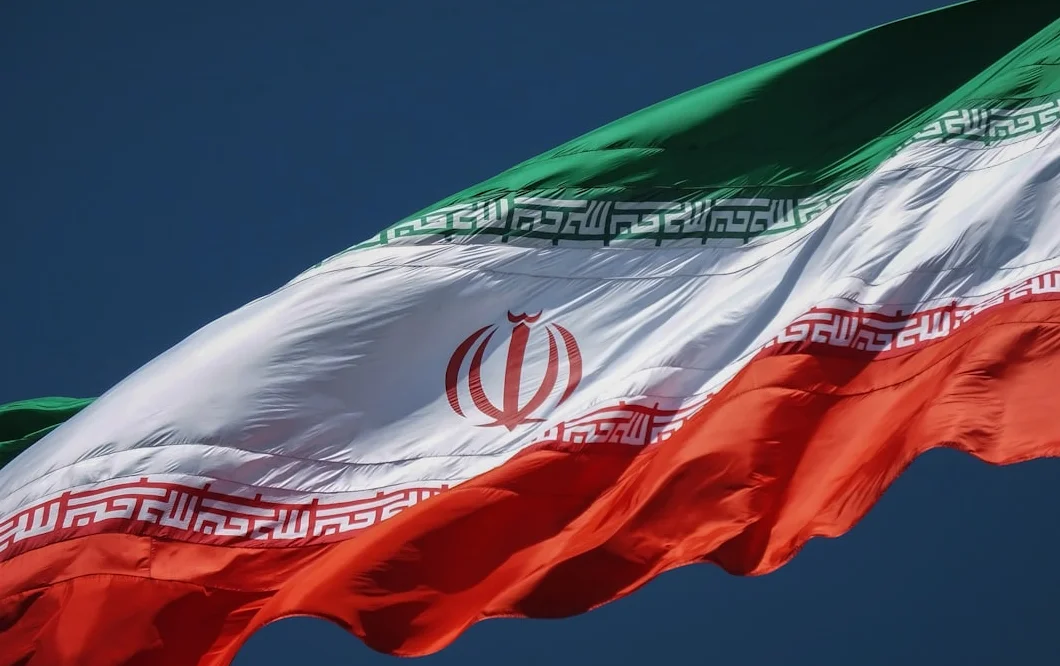
Iran and the United States have agreed on a roadmap to resolve their ongoing conflict, with technical talks set to continue in Switzerland, mediators from Qatar and Pakistan announced. The talks followed recent progress. Described as ‘positive and constructive,’ and resulted in the establishment of a High Level Committee to oversee mediation and a dedicated ‘line of communication’ for the Strait of Hormuz. Two South Korean-operated vessels also managed to pass through the strategic waterway, signaling a potential de-escalation in tensions.
Progress in Negotiations
The negotiations concluded with the creation of a ‘de-confliction cell’ to ensure the end of military operations in Lebanon, a key issue given the ongoing conflict between Israel and Iran-backed Hezbollah. According to Iran’s Foreign Minister Abbas Araghchi, sanctions on Iran’s oil had been waived, and some of the country’s frozen assets abroad had been released. He also announced the launch of a ‘major reconstruction and development plan for Iran.’
Mediators Pakistan and Qatar said negotiators will lead groups focused on nuclear issues, sanctions, and other measures to implement the agreement. Technical talks are set to continue this week in Switzerland, with a 60-day timeline to finalize a full deal.
Economic and Military Costs
The U.S. Department of Defense has incurred approximately $40 billion in costs due to the conflict with Iran, according to preliminary analysis by the Center for Strategic and International Studies (CSIS). This figure includes the cost of ammunition, destroyed equipment, and damage to bases, though it does not account for other operational costs already factored into the FY2026 budget, which exceeds $1 trillion.
President Donald Trump has highlighted what he calls ‘major wins’ from the conflict, including the resumption of oil flows through the Strait of Hormuz and the assurance that Iran ‘can never have a nuclear weapon.’ However, the conflict has also resulted in the deaths of 13 U.S. military personnel and over 7,500 civilian casualties in the region.
Market Reactions and Broader Impacts
Oil prices dropped on Monday following the reported progress in U.S.-Iran negotiations. Brent crude fell 0.91% to $79.12 per barrel, while West Texas Intermediate (WTI) declined 0.70% to $75.32 per barrel. These declines reflect investor relief over the potential for reduced disruptions to the critical oil route.
European and Asian stock markets opened mixed, with the German DAX rising 0.25%, while the French CAC 40 dipped slightly. In Asia, the Nikkei 225 reached a record high, buoyed by technology stocks linked to global AI enthusiasm.
The negotiations also coincided with the opening match of the 2026 FIFA World Cup, where Belgium faced Iran in Los Angeles. Both teams sought to improve their standings in a competitive group that also includes Egypt and New Zealand.





Comments
No comments yet
Be the first to share your thoughts