

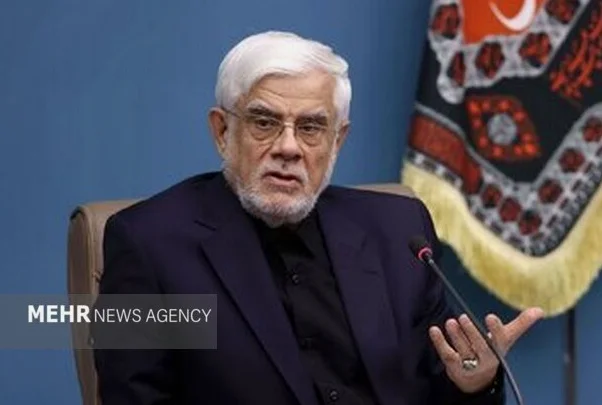
TEHRAN — Iran’s First Vice President Mohammad Reza Aref stressed the need to align foreign policy with economic objectives as the government tackles multiple crises. Speaking to university lecturers from social sciences and international relations faculties on Saturday, Aref said the administration has juggled three major challenges at once: countering an imposed war and foreign pressures, handling recent riots, and thwarting destabilization efforts.
Aref highlighted the 12-day Israeli military campaign against Iran in June 2025. Despite intense foreign pressures—particularly those hitting people’s livelihoods—the government blocked enemies from eroding the nation’s social capital, he said. The vice president pointed to these successes as proof of resilience under strain.
“The foreign policy of the country should serve the economy and strengthen the social capital,” Aref underlined. He urged academic leaders and lecturers to partner with the government in solving national problems. Cooperation from intellectuals could help handle economic hurdles and build unity, according to his remarks.
The meeting comes amid ongoing economic strains in Iran, where sanctions and regional tensions have squeezed resources. Aref’s comments reflect a push within the administration to link diplomatic moves directly to domestic gains. Officials have repeatedly tied foreign strategy to improving living standards, especially after recent unrest.
During the session, Aref detailed how the government managed the riots—described by authorities as foreign-instigated—while fending off external threats. He credited coordinated efforts for maintaining stability. The 2025 Israeli strikes, which targeted Iranian sites over 12 days, tested defenses but did not break social cohesion, Aref noted.
University lecturers present included experts from Tehran’s top institutions. Aref called their input vital for policy refinement. Iran’s leadership often consults academics on sensitive issues like foreign affairs and economics.
Broader context shows Iran’s government balancing isolation from Western sanctions with ties to neighbors and powers like Russia and China. Aref’s emphasis on economic service from diplomacy signals no shift in alliances but a sharper focus on tangible benefits. Livelihood pressures remain acute, with inflation and unemployment fueling public discontent.
No specific new initiatives emerged from the meeting. Still, Aref’s direct appeal to scholars suggests the administration seeks broader buy-in for its approach. The gathering occurred at a time when Tehran faces renewed calls to ease economic woes through pragmatic foreign steps.
Observers note that past administrations have made similar pledges, yet delivery has lagged amid geopolitical friction. Aref, a veteran politician, serves under President Masoud Pezeshkian, whose cabinet prioritizes economic recovery alongside security.






Comments
No comments yet
Be the first to share your thoughts