

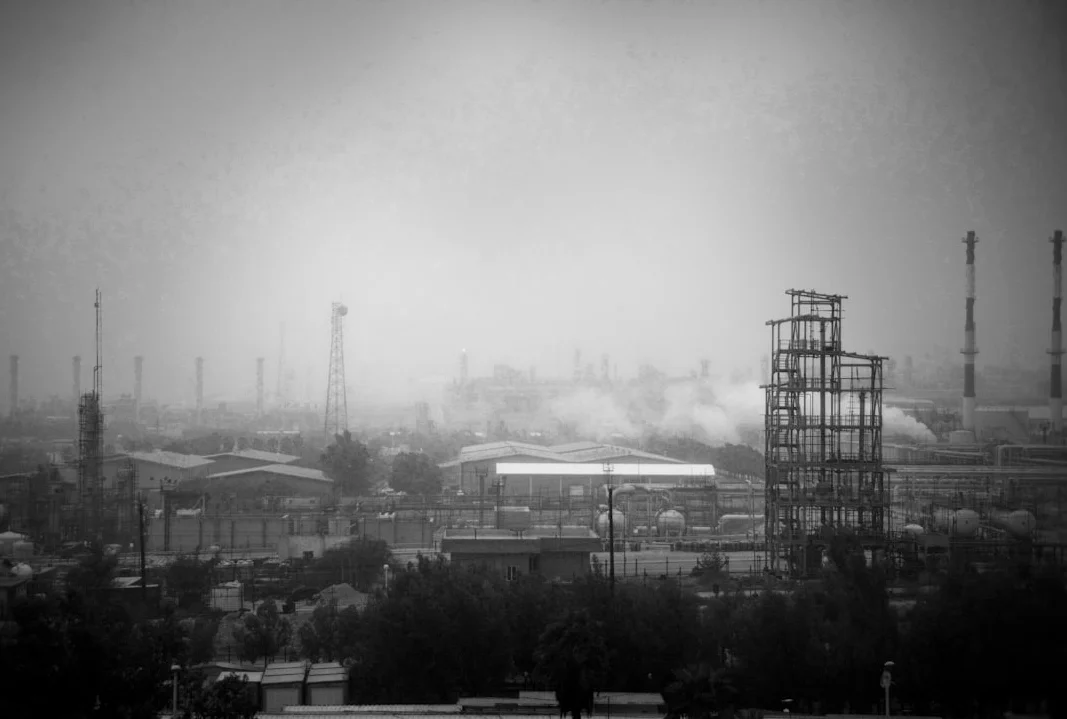
Global oil prices have surged to record levels following recent attacks on Iranian energy infrastructure, with U.S. President Donald Trump vowing to take action to stabilize the market.
Escalating Tensions and Market Reactions
The situation in the Gulf has intensified as reports emerge of strikes on key Iranian oil and gas facilities, sending shockwaves through global energy markets. According to The New York Times, President Trump claimed the U.S. was unaware of the attack on the gas field in Iran, which has caused oil and gas prices to soar. This denial comes as global markets react with uncertainty, with traders closely watching the unfolding events for any signs of de-escalation.
Meanwhile, German publication DIE ZEIT reported that Israeli Prime Minister Benjamin Netanyahu declared Iran could no longer produce rockets or enrich uranium, a claim that has been met with skepticism by international observers. The article also noted that a U.S. fighter jet was forced to make an emergency landing, adding to the complexity of the situation.
Korean media outlet 경향신문 highlighted the potential economic consequences of a prolonged U.S.-Iran conflict, warning that oil prices could reach $100 per barrel, leading to a 0.3 percentage point decline in economic growth. This forecast highlights the delicate balance between geopolitical tensions and economic stability.
International Responses and Strategic Moves
As the crisis unfolds, international responses have varied, reflecting differing strategic interests and regional alliances. According to the New York Times, President Trump has been vocal about his intent to lower oil prices, despite resistance from certain quarters. His comments come as he faces pressure from both domestic and international stakeholders concerned about the impact of rising energy costs on global economies.
German media noted that the European Union has taken steps to limit price increases at gas stations, allowing them to raise prices only once per day. This measure aims to mitigate the immediate effects of the crisis on consumers, although experts remain cautious about its long-term effectiveness.
South Korean media reported that domestic industries are already feeling the strain, with the petroleum and chemical sectors facing a critical shortage of naphtha, a key raw material. Companies are reportedly adjusting their production schedules in response to the scarcity, highlighting the ripple effects of the conflict on global supply chains.
Local Impacts and Economic Concerns
The impact of rising oil prices is being felt acutely in various regions, with local economies struggling to adapt to the sudden changes. According to DIE ZEIT, Germany’s largest gas consumer, a fertilizer producer, is heavily affected by the price increases, prompting concerns about how agricultural sectors will manage rising costs. Farmers are reportedly grappling with the challenge of maintaining production levels amid rising input costs.
In South Korea, the situation has prompted calls for urgent measures to address the energy crisis. Industry experts warn that without immediate intervention, the country’s economic growth could be significantly impacted. The Korean media emphasized the need for coordinated efforts among governments and industries to handle the challenges posed by the conflict.
What’s Next and Forward-Looking Implications
As the situation continues to develop, the international community is closely monitoring the potential for further escalation. Analysts suggest that the U.S. may consider additional measures to stabilize the oil market, including diplomatic engagements and economic sanctions. However, the effectiveness of these strategies remains uncertain, given the complex nature of the conflict and the involvement of multiple stakeholders.
Experts warn that the prolonged conflict could lead to more severe economic consequences, including inflation and reduced consumer spending. The global energy market is at a critical juncture, with the potential for further volatility depending on the actions of key players in the region. As the situation evolves, the international community will need to remain vigilant and prepared for any developments that could impact global energy security.
Why It Matters
The rising oil prices and geopolitical tensions have significant implications for global economies, particularly in regions heavily dependent on energy imports. The situation highlights the interconnectedness of global markets and the potential for regional conflicts to have far-reaching economic consequences. As countries grapple with the challenges posed by the conflict, the need for cooperative solutions and strategic planning becomes increasingly apparent.






Comments
No comments yet
Be the first to share your thoughts