

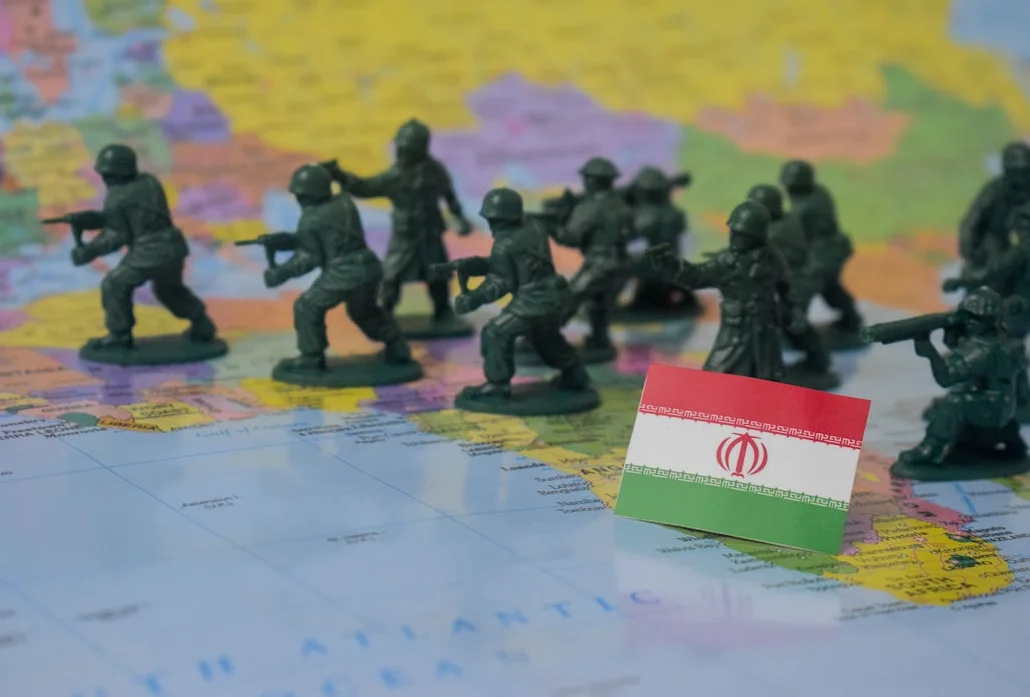
Escalating tensions between Iran and Israel have triggered global economic concerns, with the International Monetary Fund warning of potential downside risks to the global economy. The conflict. Which began with Iran’s missile strikes against Israel’s nuclear facilities in Dimona and Arad, has led to reciprocal attacks and a significant increase in regional instability. According to the IMF. The Middle East war poses substantial risks to global economic growth, particularly for countries reliant on oil exports and maritime trade routes.
Regional Disruptions and Economic Fallout
The conflict has already disrupted critical maritime trade routes, particularly in the Strait of Hormuz, where South Korean maritime students were stranded due to the closure of shipping lanes. According to the South Korean Ministry of Oceans and Fisheries, 179 Korean maritime students remain stranded in the region, with fears that their inability to return could impact their future employment prospects. The ministry is working with shipping companies and universities to ensure these students can continue their training on alternative vessels.
Iran’s missile attacks on Israel’s nuclear facilities have also raised concerns about the potential for a broader regional conflict. According to Al Jazeera. Iran’s missile strikes targeted Dimona. A key nuclear site, and nearby Arad, causing injuries to over 100 people. In response. Israeli forces launched drone attacks on Tehran, marking a significant escalation in hostilities, but these actions have heightened fears of a wider war involving other regional powers.
Global Economic Implications
The conflict has triggered a global economic ripple effect, with central banks pausing their rate-cutting momentum. According to Korea IT Times. Global central banks have synchronized their efforts to stabilize financial markets amid the uncertainty caused by the Iran-Israel conflict. The pause in rate cuts reflects concerns about the potential for further economic shocks, particularly in the energy sector, which is central for global economic stability.
Additionally, the conflict has led to a surge in inflationary pressures, with U.S. producer prices rising by 0.7% in the month preceding the escalation of the conflict. According to newsroad. This increase in producer prices has raised concerns about the potential for further inflationary pressures, particularly in the context of the ongoing conflict. The situation has also prompted discussions about the need for structural adjustments in economic policies to mitigate the risks posed by the conflict.
Regional and Global Responses
The international community has responded to the conflict with a mix of diplomatic efforts and economic measures. According to The Guardian, the stakes are enormous, and the potential for a prolonged Iran-Israel war could shock the global economy. The article highlights the need for the United Nations to formally recognize the transatlantic slavery trade as a crime against humanity, but this is not directly related to the current crisis. However, it highlights the importance of addressing historical injustices while managing contemporary geopolitical challenges.
South Korea, which has significant economic ties to the Middle East, is particularly concerned about the impact of the conflict on its trade and investment. According to the Korean news outlet, the IMF has warned that the Middle East war could lead to a reassessment of South Korea’s economic growth forecasts. This has prompted discussions about the need for diversification of trade routes and energy sources to reduce dependence on the region.
Future Outlook and Policy Considerations
The future outlook for the region remains uncertain, with the potential for further escalation of the conflict. According to the South Korean Ministry of Oceans and Fisheries, the government is working closely with shipping companies and universities to ensure that the stranded maritime students can continue their training. This effort highlights the importance of maintaining economic stability in the face of geopolitical tensions.
Meanwhile, global central banks are closely monitoring the situation and are prepared to take further action if needed. According to Korea IT Times, the pause in rate cuts is a strategic move to stabilize financial markets amid the uncertainty caused by the conflict. This approach reflects the importance of maintaining economic stability in the face of potential shocks.
The conflict has also prompted discussions about the need for structural adjustments in economic policies. According to newsroad, the current situation highlights the importance of diversifying trade routes and energy sources to reduce dependence on the Middle East. This is particularly relevant for countries like South Korea, which have significant economic ties to the region.
As the situation continues to evolve, the international community will need to remain vigilant and prepared for further developments. The potential for a prolonged conflict could have far-reaching economic implications, requiring coordinated efforts to mitigate the risks and ensure global economic stability.
Conclusion
The ongoing conflict between Iran and Israel has triggered global economic concerns, with the International Monetary Fund warning of potential downside risks to the global economy. The situation has highlighted the need for coordinated efforts to address the challenges posed by the conflict and ensure economic stability. As the situation continues to develop, the international community must remain prepared for further developments and take appropriate measures to mitigate the risks.






Comments
No comments yet
Be the first to share your thoughts