

 The Guardian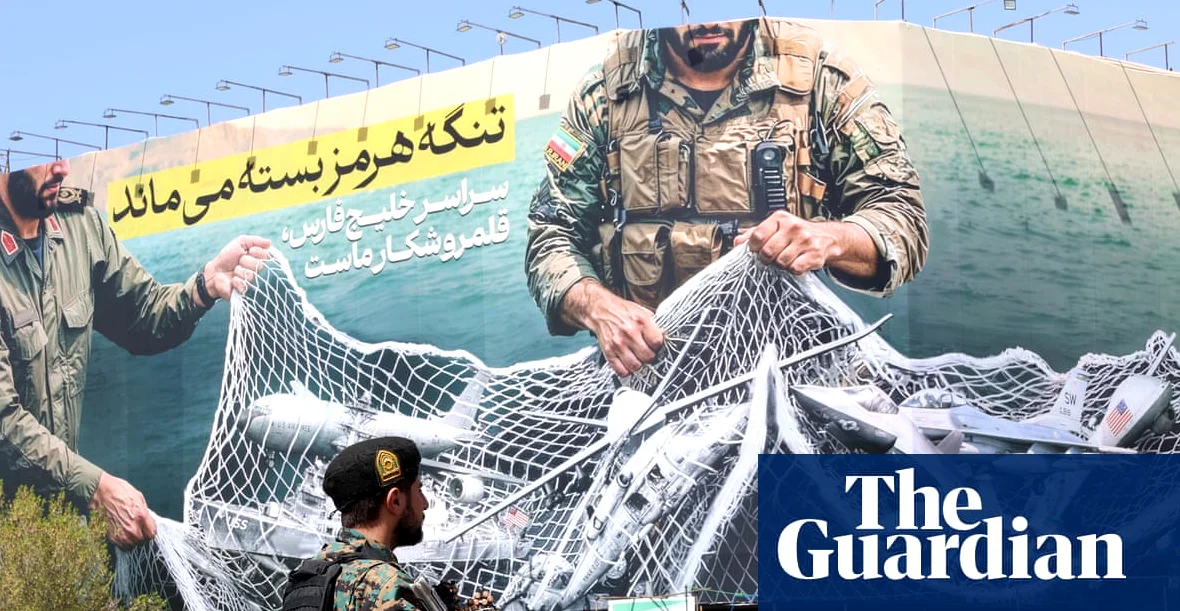
The International Monetary Fund (IMF) has issued a stark warning that a further escalation in the Iran war could trigger a global recession, spiralling inflation, and a sharp backlash in financial markets. The Washington-based fund highlighted the rising economic damage from the Middle East conflict, which has led it to cut its growth forecasts for 2026 based on the impact from the war so far.
UK Faces Sharpest Growth Downgrade in G7
The IMF said the UK would suffer the sharpest growth downgrade and joint highest inflation rate in the G7 this year, even if the fallout from soaring energy costs can be contained by the middle of 2026. The fund noted that the UK’s growth forecast was cut by 0.5 percentage points to 0.8%, while inflation is expected to climb to nearly 4%.
In its half-yearly update, the IMF said the economic damage from the Middle East conflict was steadily rising; it warned that even a short-lived conflict would dent growth and stoke inflation relative to its previous forecasts made last autumn.
As finance ministers and central bank heads from around the globe gather in Washington for the spring meetings of the IMF and the World Bank, the fund said the war has darkened the outlook for global growth. It warned that countries worldwide would face slower growth and higher inflation, with net energy importers and developing nations facing the biggest hit.
Oil Prices and Economic Risks
Oil prices jumped back above $100 (£74) a barrel on Monday amid choppy trading in global markets after crunch weekend talks between the US and Iran ended in stalemate. On Tuesday. Brent crude eased 0.9% to $98.5 a barrel on hopes of further peace talks.
The IMF outlined three possible scenarios for the war in its World Economic Outlook (WEO), with even a short-lived conflict denting growth and stoking inflation. In a central “reference forecast. ” global growth would fall from 3.4% last year to 3.1% in 2026, a downgrade of 0.1 percentage points from the fund’s previous WEO report published last autumn.
Under an “adverse scenario. ” in which the global oil price remains at $100 this year before falling back to $75 in 2027, growth would fall to 2.5% this year and inflation would rise to 5.4%. Should the conflict become more protracted, the IMF warned a longer shutdown of the strait of Hormuz and further damage to drilling and refining facilities would disrupt the global economy more deeply and for longer.
IMF Calls for Coordinated Response
With the pressure on the global economy mounting, the IMF set out three possible scenarios for the war. In response to the IMF report. UK Chancellor Rachel Reeves said: “The war in Iran is not our war, but it will come at a cost to the UK — these are not costs I wanted, but they are costs we will have to respond to.”
Reeves is expected to outline the UK government’s approach to providing targeted and temporary support for businesses while in the US. She said her economic approach to the crisis would be both responsive to a changing world and responsible in the national interest, keeping inflation and interest rates in check to protect households and businesses.
Under a “severe scenario” – with a lengthier, intensive war keeping the oil price above $110 into 2027 – global growth would collapse to about 2% this year, a threshold widely seen as equivalent to a worldwide recession. The IMF estimates global growth has only fallen below this rate four times since 1980, most recently amid the Covid pandemic in 2020 and after the 2008 financial crisis.
In a blow to households. Inflation would also exceed 6% – forcing central banks worldwide to drive up interest rates to prevent the shock from allowing fast-rising consumer prices becoming entrenched. The IMF said the best way to limit the economic damage was to bring an end to the conflict.
Pierre-Olivier Gourinchas, the IMF chief economist, said: “Despite the recent news of a temporary ceasefire, some damage is already done, and the downside risks remain elevated.” He warned that untargeted measures such as price caps and subsidies were frequently poorly designed and costly.



Comments
No comments yet
Be the first to share your thoughts