

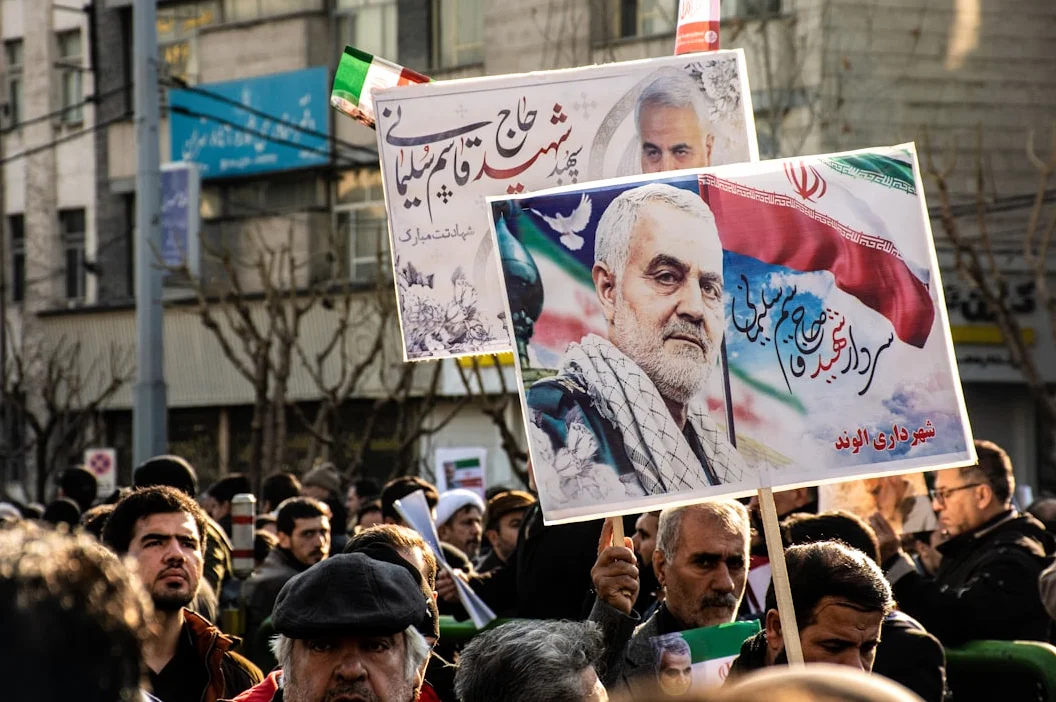
U.S. President Donald Trump has sharply criticized NATO allies for not sending troops to assist in reopening the Strait of Hormuz, a critical global oil transit route, calling them ‘cowards’ in a recent statement. This comes as tensions continue to escalate in the Middle East, with Iran launching drone attacks on energy facilities across the Gulf and issuing new threats to target recreational and tourist sites worldwide.
Escalating Tensions and Military Moves
The conflict has intensified with Iran’s newly appointed Supreme Leader, Ayatollah Mojtaba Khamenei, issuing a written statement to the Iranian people. He claimed that the nation’s resilience has dealt a ‘crippling blow’ to ‘the enemy,’ referring to the United States and Israel. Mojtaba Khamenei took over after his father, Ali Khamenei, was killed at the start of the war, though the younger leader has remained largely out of public view. U.S. Defense Secretary Pete Hegseth previously suggested that Mojtaba Khamenei might have been wounded in an attack.
Iran has been on the defensive as it faces a barrage of military actions from the U.S. and its allies. The United States has announced the deployment of three additional warships and approximately 2,500 more Marines to the Middle East. Meanwhile, Trump has requested an additional $200 billion from Congress to fund the ongoing conflict with Iran, a move that could significantly impact U.S. military spending and economic policy.
Oil prices have surged to $110 per barrel, raising global concerns about energy security and the potential for a prolonged crisis. The increase in oil prices has already led to a noticeable rise in fuel costs around the world, impacting economies and households alike. Analysts warn that any further disruption in the Strait of Hormuz could lead to even more severe consequences for the global economy.
Iran’s Threat to Target Global Tourism Sites
Iran’s Islamic Major Guard Corps (IRGC) has issued a new warning, stating that the country is still building missiles and will not hesitate to target the ‘parks, recreational areas, and tourist destinations’ of its enemies. General Ali Mohammad Naini, an IRGC spokesperson, made the remarks in a statement published in the state-run newspaper IRAN. His comments have raised fears that Iran could expand its military operations beyond the Middle East, potentially targeting Western tourist hotspots in Europe, Asia, and even the Americas.
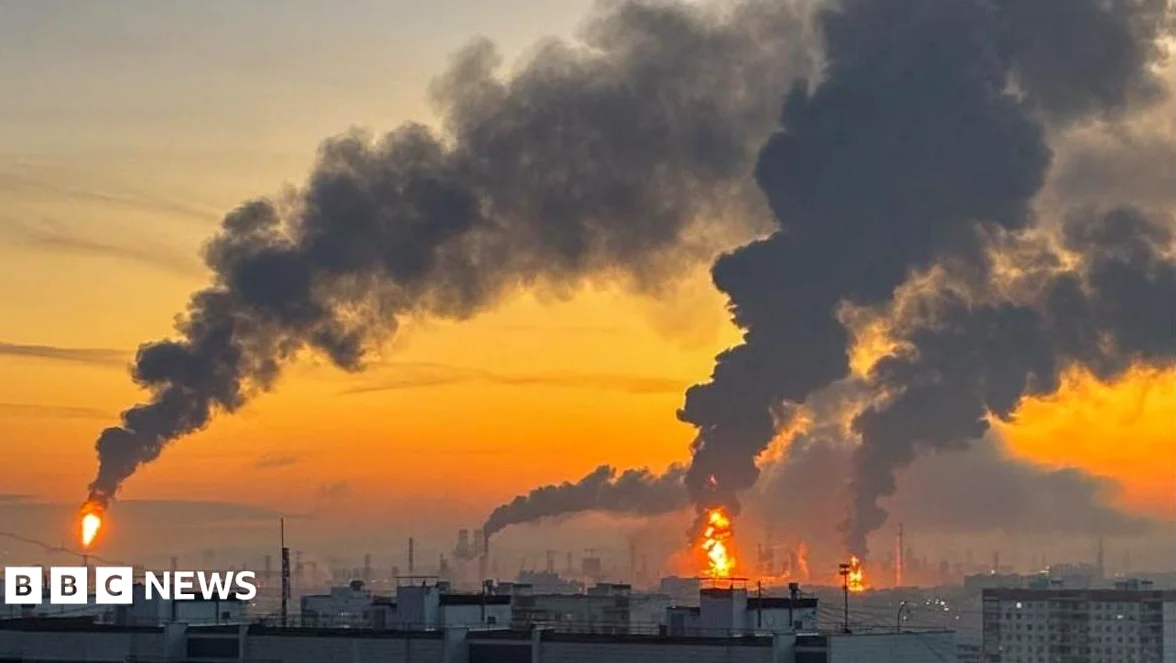
The threat comes amid reports that Iran has launched drone attacks on energy facilities across the Gulf. Kuwait confirmed that its Mina Al-Ahmadi refinery was struck for the second time in recent days, sparking fires at several units and disrupting regional oil production. The attacks highlight the vulnerability of critical infrastructure in the region and the growing risk of a wider conflict that could spill over into civilian areas.
Iran’s military actions have also coincided with attacks from Israel. As Iranians celebrated Nowruz, the Persian New Year, Israeli forces reportedly launched new strikes on targets in Tehran, escalating the cycle of violence. These coordinated attacks suggest a broader regional effort to undermine Iran’s military and economic capabilities, potentially leading to a protracted conflict.
Historical Context and Regional Implications
This conflict echoes past tensions between the U.S. and Iran, including the 1979 Iranian Revolution and the 1980-1988 Iran-Iraq War, which saw significant involvement from both the U.S. and its allies. The current situation, however, is distinct due to the involvement of NATO and the potential for a global economic crisis driven by energy supply disruptions.
Analysts note that the situation bears similarities to the 2019 attacks on oil tankers in the Gulf, which were attributed to Iran and led to a sharp increase in oil prices. However, the current escalation is more severe, with direct military confrontations and a broader threat to global tourism and infrastructure.
The U.S. military’s recent deployments and Trump’s request for additional funding indicate a long-term commitment to the region, which could lead to further militarization and an increased risk of direct conflict. The international community is closely watching the developments, with many countries urging for diplomatic solutions to prevent a wider war.
The situation also has significant implications for the global economy, particularly in the energy sector. The Strait of Hormuz is a vital artery for global oil trade, and any prolonged closure could lead to supply shortages and economic instability. The U.S. and its allies are working to ensure the security of this vital waterway, but the recent attacks suggest that this may be a more complex and dangerous task than previously anticipated.
As the conflict continues to unfold, the world is watching closely, with many hoping for a de-escalation of tensions and a return to diplomatic dialogue. However, with both sides showing no signs of backing down, the risk of further violence and economic repercussions remains high.




Comments
No comments yet
Be the first to share your thoughts